Buying from Temu or Shein? New €3 EU charge will raise prices
By Dora Urbancsek • Updated: 04 Mar 2026 • 17:44 • 2 minutes read
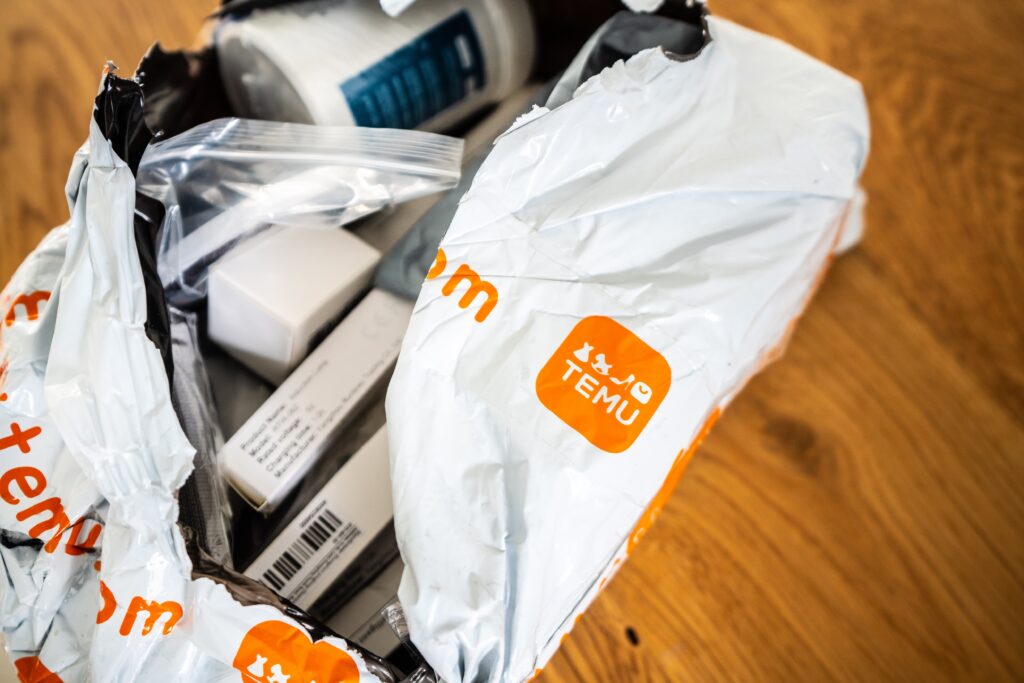
The EU’s new €3 customs fee will apply to low-value parcels from platforms such as Temu, potentially raising the final cost of small online orders. Credit: Shutterstock/Audio und werbung
Shoppers across the European Union will soon face a new €3 customs fee on small parcels ordered from platforms such as Temu, Shein and AliExpress. The measure, approved at EU level, targets low-value imports under €150 arriving from outside the bloc and is designed to curb the surge in ultra-cheap goods flooding European markets.
From 2026, shoppers ordering low-cost goods from outside the EU will see a €3 charge added to small parcels. The move targets the flood of cheap packages that currently pass through customs under simplified rules.
Why is the EU introducing a €3 parcel fee?
According to figures published by the European Commission, billions of low-value parcels now enter the EU each year, with volumes rising sharply due to the growth of online marketplaces. A significant proportion originate from China and are sold directly to consumers at very low prices.
EU officials argue that this creates pressure on customs authorities, raises concerns about product safety and environmental standards, and places European retailers at a competitive disadvantage. By introducing a flat €3 customs handling charge on each small parcel, the EU aims to recover administrative costs and ensure fairer competition.
The reform forms part of the broader customs union review backed by the Council of the European Union, which supports modernising how goods are processed and taxed at the border.
How will the €3 charge affect shoppers in Spain?
For consumers in Spain, the change means that ultra-cheap items costing €1 or €2 could effectively double or triple in price once the €3 fee is added. A €5 accessory, for example, would rise to €8 before VAT or other applicable charges.
The impact will depend on how orders are structured. If several items are grouped into one parcel under the same customs declaration, the fee may apply once. However, separate shipments could each incur the €3 charge. Platforms may respond by consolidating logistics through EU-based warehouses to reduce costs.
Buyers who regularly order fashion, electronics accessories or household goods from overseas sellers are likely to feel the change most strongly. Retail analysts suggest some consumers may switch back to European retailers, while others may place larger, less frequent orders to offset the fee.
A wider customs reform
The €3 small parcel tariff is described as an interim measure pending deeper structural reforms expected later. The EU has signalled that the long-term goal is a fully digital customs system capable of handling high parcel volumes more efficiently.
For shoppers, the change is simple. Small orders from outside the EU are likely to cost more once the €3 charge takes effect. Anyone regularly buying low-priced items from overseas platforms will need to factor that into the final price.
Follow Euro Weekly News on Google News
Get breaking news from Spain, travel updates, and expat stories directly on your Google News feed.
Follow on Google NewsSign up for personalised news
Subscribe to our Euro Weekly News alerts to get the latest stories into your inbox!
By signing up, you will create a Euro Weekly News account if you don't already have one. Review our Privacy Policy for more information about our privacy practices.




Dora Urbancsek
Dora Urbancsek is an SEO writer with over eight years of experience producing high-quality, search-optimised journalism and digital content. Based in Spain for more than five years, she covers a wide range of topics concerning Spain and Europe, including current affairs, community stories, culture, and lifestyle. Dora is known for accurate, well-researched reporting that keeps readers informed and engaged.
Comments