Urgent Listeria alert in Spain as popular fresh cheeses are pulled from shelves
By Farah Mokrani • Published: 22 May 2026 • 17:32 • 2 minutes read
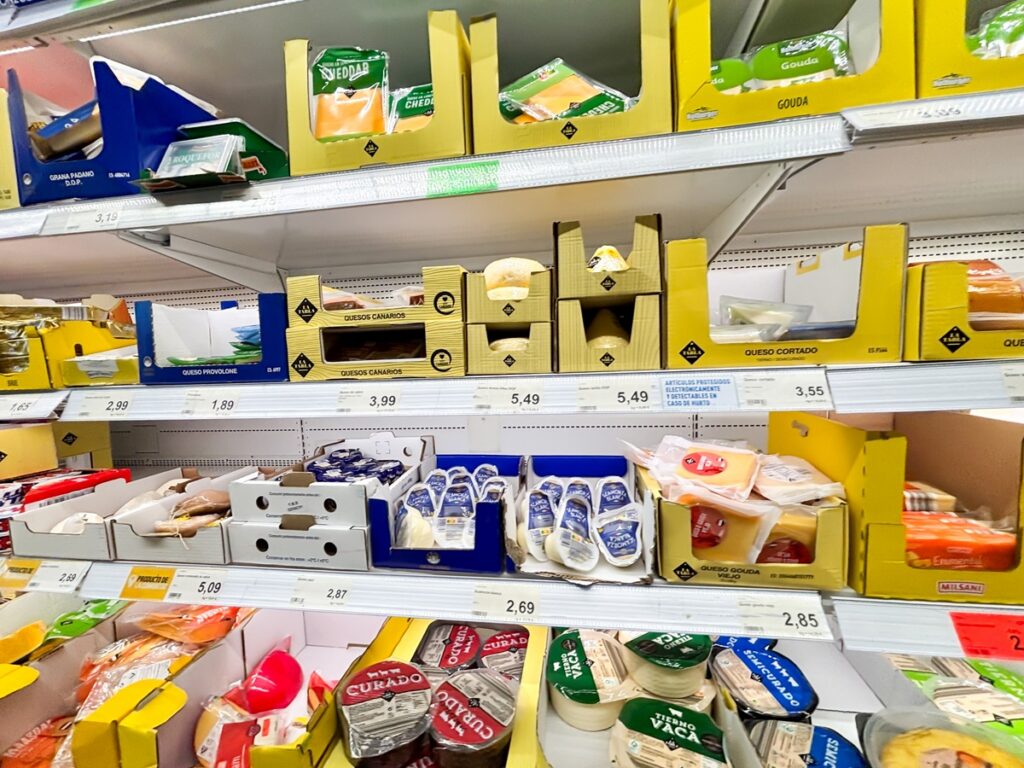
Spanish shoppers are being urged to check fresh cheese products after an expanded Listeria alert. Credit : Civil, Shutterstock
Spanish health authorities have expanded a food safety alert involving fresh cheese products after another affected item was linked to possible Listeria contamination.
The warning now covers four different brands sold across much of Spain and officials are telling consumers to check fridges carefully and avoid eating any of the affected products.
The alert was updated by Spain’s food safety agency AESAN after new information was received through the country’s rapid food warning system. As a precaution, authorities decided to widen the recall to include all affected batches with expiry dates up to and including July 6, 2026.
For many shoppers, the concern is not only the number of products involved but the fact that fresh cheese is something a lot of people buy routinely without thinking twice about it.
And because these products have already been distributed widely across Spain, the alert is attracting serious attention.
Four cheese brands are now affected by the food alert in Spain
According to AESAN, the recall currently affects several refrigerated fresh cheese products made from cow’s milk.
The products involved include:
- Cerrato Mediterranean style fresh cheese in 300 gram plastic packaging.
- Nativo queso costeño sold both in bar format and 300 gram containers.
- Several Goya cheese products including queso estilo llanero and queso latino in different sizes.
- And Sabor de Casa queso latino sold in bar format and 325 gram packaging.
Authorities say all affected products with expiry dates on or before July 6, 2026 should be considered part of the alert.
AESAN also confirmed the products began being removed from shops as soon as the warning was issued.
Still, officials are asking people to double check products already stored at home because many consumers may have purchased them before the recall expanded.
Health officials warn consumers not to eat affected cheese products
The advice from Spain’s food safety agency is straightforward.
Do not consume the products.
AESAN is also asking people to be careful about cross contamination inside the kitchen, especially if the cheese has already been opened or stored next to other food.
Listeria monocytogenes can cause symptoms including fever, diarrhoea and vomiting. In some cases, the infection can become serious, particularly among vulnerable groups.
Anyone who has eaten one of the affected products and later develops symptoms compatible with listeriosis is being advised to contact a medical centre.
Although healthy adults often recover without severe complications, doctors tend to pay particular attention to elderly people, those with weakened immune systems and pregnant women.
Pregnant women are being urged to take extra care
AESAN specifically highlighted pregnancy in its latest update because listeriosis can pose serious risks during pregnancy even when symptoms initially appear mild.
For that reason, pregnant women are being encouraged to follow the agency’s food safety guidance carefully and avoid products associated with higher Listeria risk.
Fresh cheeses have long been considered one of the foods requiring extra caution because the bacteria can survive refrigeration and spread through contaminated products relatively easily.
Food alerts involving Listeria tend to generate strong reactions in Spain partly because previous outbreaks in recent years received enormous national attention and raised wider concerns about food controls and product traceability.
This latest warning does not currently involve reports of a major outbreak linked to the cheeses, but authorities appear determined to act quickly before any larger health issue develops.
Regional authorities across Spain have already been informed and are now checking that the affected products are properly removed from supermarkets and other sales points.
For consumers, though, the most important thing right now is much simpler.
Check the fridge carefully.And if one of the affected cheeses is sitting there, do not eat it.
Follow Euro Weekly News on Google News
Get breaking news from Spain, travel updates, and expat stories directly on your Google News feed.
Follow on Google NewsSign up for personalised news
Subscribe to our Euro Weekly News alerts to get the latest stories into your inbox!
By signing up, you will create a Euro Weekly News account if you don't already have one. Review our Privacy Policy for more information about our privacy practices.




Farah Mokrani
Farah is a journalist and content writer with over a decade of experience in both digital and print media. Originally from Tunisia and now based in Spain, she has covered current affairs, investigative reports, and long-form features for a range of international publications. At Euro Weekly News, Farah brings a global perspective to her reporting, contributing news and analysis informed by her editorial background and passion for clear, accurate storytelling.
Comments