Travelling with a dog or cat in Spain? EU rules change from 22 April 2026
By Molly Grace • Updated: 13 Feb 2026 • 13:13 • 3 minutes read
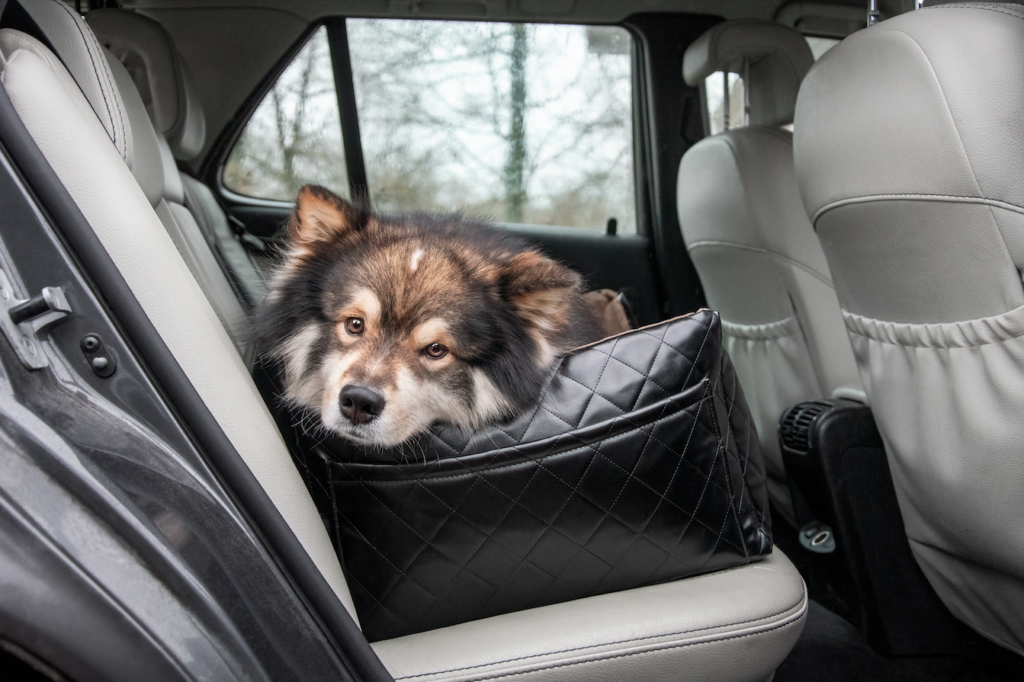
The regulation also confirms that non-commercial travel is limited to a maximum of five dogs. Photo credit: Lindaze/Shutterstock
If you travel with a dog or cat in Spain, even once a year, you’ll want to read this. From 22 April 2026, EU pet travel rules change across Europe, including Spain, and the shift is bigger than most owners realise. The basics stay familiar, but checks are tightening, paperwork matters more, and future digital tracking is now moving from “idea” to reality. and headline Travelling with a dog or cat in Spain? EU rules change from 22 April 2026.
What changes from 22 April
The shift follows the adoption of a new Delegated Regulation by the European Commission, which replaces the system that has governed pet travel since 2013. From 22 April 2026, non-commercial movements of companion animals will be governed by a single legal act across the EU.
For dogs, cats and ferrets travelling between EU member states, the core requirements remain largely unchanged. Animals must be identified with a readable microchip, or with a tattoo applied before July 2011, and must have a valid rabies vaccination. Where dogs enter countries officially free from Echinococcus multilocularis (Fox tapeworm), the existing obligation for documented anti-parasitic treatment continues to apply.
The regulation also confirms that non-commercial travel is limited to a maximum of five dogs, cats or ferrets per journey. Movements above that number, except in narrowly defined circumstances such as participation in competitions or sporting events, fall under the stricter rules governing commercial movements.
Reinforced controls for entry from non-EU countries
When dogs, cats or ferrets enter the EU from a third country, the regulation strengthens the role of the official animal health certificate issued by an authorised veterinarian. This document must confirm identification, rabies vaccination, any required Echinococcus treatment and that the movement is non-commercial. Its validity is generally limited to six months from entry into the EU or until the rabies vaccination expires, whichever occurs first.
Animals must originate from a place where no rabies cases have been reported in the 30 days before travel, and primary rabies vaccination must have been administered at least 21 days before departure, unless the animal has been correctly revaccinated.
Pet birds and avian influenza safeguards
Clearer limits are introduced for pet birds entering the EU from outside the bloc. Non-commercial movements are restricted to five birds per journey. Above that threshold, the movement is treated as an import of captive birds, triggering border controls and substantially more stringent requirements.
Birds must be individually identified using a permanent system with a unique alphanumeric code. To reduce the risk of avian influenza, the regulation allows for a combination of measures depending on origin and veterinary authority instructions. These include pre-travel isolation, laboratory testing for highly pathogenic H5 and H7 subtypes, or a 30-day quarantine after arrival, either at the owner’s premises under isolation or in an authorised facility.
The question of advance digital registration
Some media reports have suggested that all pet journeys will require mandatory preregistration. The legal position is more nuanced. The Delegated Regulation itself does not impose a compulsory digital preregistration for every journey.
However, the separate political agreement reached by the Council and the European Parliament on a regulation covering the welfare and traceability of dogs and cats foresees the creation of an EU-level system to record non-commercial movements. That draft text refers to registration of movements in advance, potentially five days before arrival, but it has not yet been formally adopted, and its technical operation remains to be defined.
In short, advance digital registration is part of the EU’s policy direction, but it is not yet a binding requirement for routine travel within the EU.
What this means for people in Spain
For residents of Spain, the practical requirements for travelling with pets remain familiar. Dogs and cats must continue to be microchipped, vaccinated against rabies and accompanied by the appropriate documentation, such as an EU pet passport, for travel within Spain and to other EU countries.
Once the new regulation takes effect, pet owners leaving Spain or entering Spain from another EU member state may face additional administrative steps if new EU-level systems become operational. Spanish authorities will be responsible for integrating the updated rules into national procedures and for issuing guidance.
For expats living in Spain, the changes are particularly relevant for frequent cross-border travel, including trips back to their country of origin or onward travel within the EU. Tourists travelling to Spain with pets will remain subject to existing entry conditions, with any future registration requirements applying equally to visitors and residents.
Why the rules are changing
The European Commission has cited persistent concerns about illegal breeding and trafficking, often facilitated by gaps between national systems. Stronger traceability is intended to help authorities detect suspicious movements while improving animal welfare, reflecting a broader “One Health” approach to reducing zoonotic risks in an era of increased travel.
The Delegated Regulation on animal health requirements for non-commercial movements of companion animals has been published as an official document of the Council of the European Union, with further guidance from Spanish authorities expected closer to its application date.
Sign up for personalised news
Subscribe to our Euro Weekly News alerts to get the latest stories into your inbox!
By signing up, you will create a Euro Weekly News account if you don't already have one. Review our Privacy Policy for more information about our privacy practices.





Molly Grace
Molly is a British journalist and author who has lived in Spain for over 25 years. With a background in animal welfare, equestrian science, and veterinary nursing, she brings curiosity, humour, and a sharp investigative eye to her work. At Euro Weekly News, Molly explores the intersections of nature, culture, and community - drawing on her deep local knowledge and passion for stories that reflect life in Spain from the ground up.
Comments