Spain arrests nearly 100 in national operation on food safety and veterinary inspections
By Molly Grace • Published: 10 Feb 2026 • 22:17 • 3 minutes read
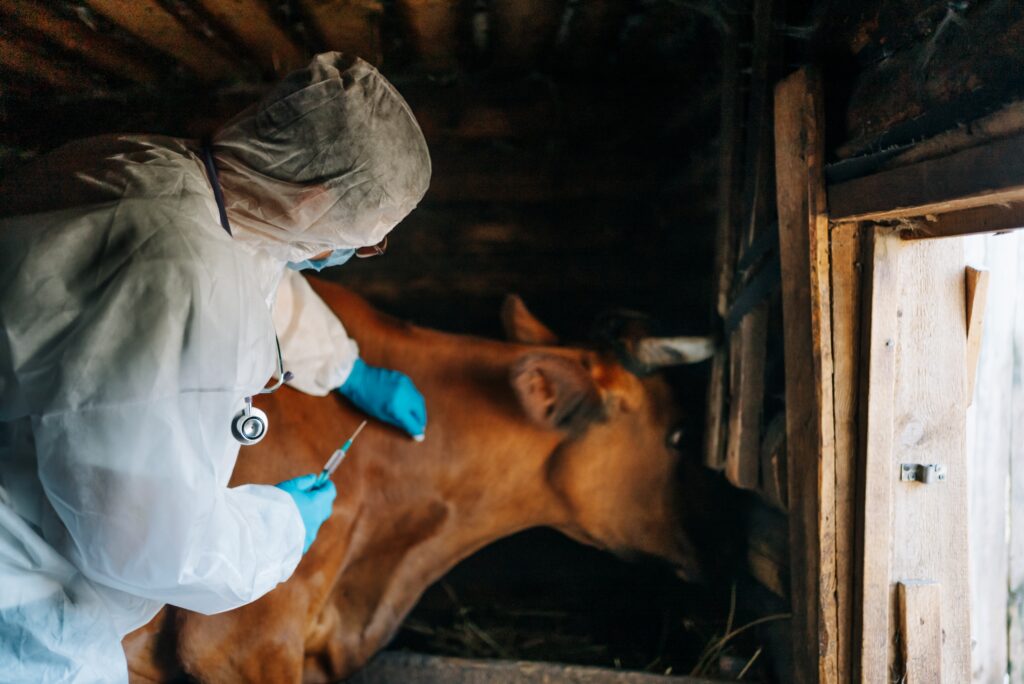
Inspectors discovered veterinary and human medicines being used without authorisation. Photo Credit: Elena Shishkina/Shutterstock
Nearly one hundred people have been arrested or placed under investigation across Spain following a large-scale operation by the Guardia Civil targeting serious breaches of animal health regulations and the illegal use of veterinary medicines.
The campaign, led by the Guardia Civil’s Nature Protection Service (SEPRONA), formed part of a coordinated national effort to reinforce controls over animal welfare, food safety and public health. Inspections were carried out across multiple sectors of the livestock industry, including farms, transport operators and slaughterhouses.
Scope of the Enforcement Campaign
The operation resulted in 93 individuals being arrested or investigated, including four legal entities, for alleged criminal offences. These included animal abuse, animal abandonment, falsification of documents and violations of legislation designed to protect public health.
Authorities ordered the immobilisation or euthanasia of 1,441 animals due to welfare concerns or sanitary irregularities. The affected livestock comprised 673 sheep, 368 poultry, 184 goats, 208 pigs, seven horses and one deer. These measures were applied where animals lacked proper health controls, traceability, or were kept in conditions that failed to meet legal standards.
Alongside the criminal investigations, officers recorded more than 3,300 administrative infringements, with the majority linked to sanitary breaches and the management of veterinary medicines. The inspections covered multiple stages of animal production and distribution, reflecting a broad assessment of compliance across Spain’s food chain.
Major Operations Across Spain
One of the most significant investigations, Operation Pox, dismantled a criminal network in Toledo, Ávila and Madrid that was illegally introducing sheep and goat meat into the food chain. Investigators found that animals from both legal and illegal farms were transported to unregistered slaughter facilities and killed under unhygienic conditions. The meat was later sold to Asian restaurants in Madrid, and 30 people were investigated in connection with the operation. SEPRONA coordinated this investigation with Europol and local authorities in Madrid and Castilla-La Mancha.
In Badajoz, Operation Saxum Tubercum uncovered deliberate tampering with bovine tuberculosis tests at a cattle farm. Inspectors also discovered veterinary and human medicines being used without authorisation and practices aimed at concealing disease. In the same province, authorities dismantled a family-based group of six people responsible for repeated sheep thefts, recovering stolen animals and immobilising 262 untraceable sheep.
Operation Antimicrobiano focused on prescription and dispensing irregularities in Córdoba and Ciudad Real, revealing unauthorised veterinary practices and illegal dispensing of medicines. Four individuals and one company were investigated for offences including public health violations, intrusismo profesional, and falsification of documents. A related case in Córdoba uncovered an illegal online sale of veterinary medicines, with over 1,000 untraceable drugs and more than 100 illicit products seized. Two individuals and one legal entity were investigated.
Operation Cabiano addressed irregularities in horse transport from Belgium to Cartagena, intended for export to Libya and Lebanon. Authorities found that several horses were not correctly registered, resulting in charges for document falsification. The investigation involved coordination with Belgian authorities, highlighting the cross-border nature of some animal trade offences.
Veterinary Medicines Under Scrutiny
A central concern of the campaign was the improper use of veterinary pharmaceuticals. Investigators identified cases where medicines were administered without authorisation and withdrawal periods before entering the food chain were ignored. Additional breaches included inadequate storage and record-keeping, which hindered traceability and regulatory oversight.
Spanish and EU legislation requires veterinary medicines to be prescribed and administered by qualified professionals. The Guardia Civil warned that unauthorised use not only contravenes regulations but can pose serious risks to animal welfare and consumer safety.
Widespread Non-Compliance Across the Sector
Beyond criminal cases, the operation highlighted systemic non-compliance. Administrative infringements included deficient sanitary conditions, missing or incomplete documentation, failures in animal identification, and breaches of transport regulations. Authorities noted that these lapses compromise animal welfare, the integrity of food safety systems, and fair competition among compliant operators.
In total, 65 criminal offences and 3,316 administrative violations were recorded, encompassing animal welfare breaches, misuse of veterinary medicines, professional intrusion, introduction of unfit animals into the food chain, document falsification, and participation in organised crime. Approximately 81% of administrative violations involved breaches of animal health regulations.
Public Health and Regulatory Context
The Guardia Civil emphasised that the operation supports the EU’s One Health approach and the European Commission’s Farm to Fork strategy. SEPRONA continues to coordinate enforcement efforts to combat irregular livestock practices with national and cross-border implications.
Judicial proceedings remain ongoing, and further actions are expected as investigators continue analysing evidence. Officials stressed that the campaign’s aim is to ensure consistent compliance, protect consumers, and uphold animal welfare standards across Spain.
Follow Euro Weekly News on Google News
Get breaking news from Spain, travel updates, and expat stories directly on your Google News feed.
Follow on Google NewsSign up for personalised news
Subscribe to our Euro Weekly News alerts to get the latest stories into your inbox!
By signing up, you will create a Euro Weekly News account if you don't already have one. Review our Privacy Policy for more information about our privacy practices.




Molly Grace
Molly is a British journalist and author who has lived in Spain for over 25 years. With a background in animal welfare, equestrian science, and veterinary nursing, she brings curiosity, humour, and a sharp investigative eye to her work. At Euro Weekly News, Molly explores the intersections of nature, culture, and community - drawing on her deep local knowledge and passion for stories that reflect life in Spain from the ground up.
Comments