Fuel prices surge in Spain: Petrol and diesel could jump by 30 cents in days
By Farah Mokrani • Published: 06 Mar 2026 • 12:41 • 3 minutes read
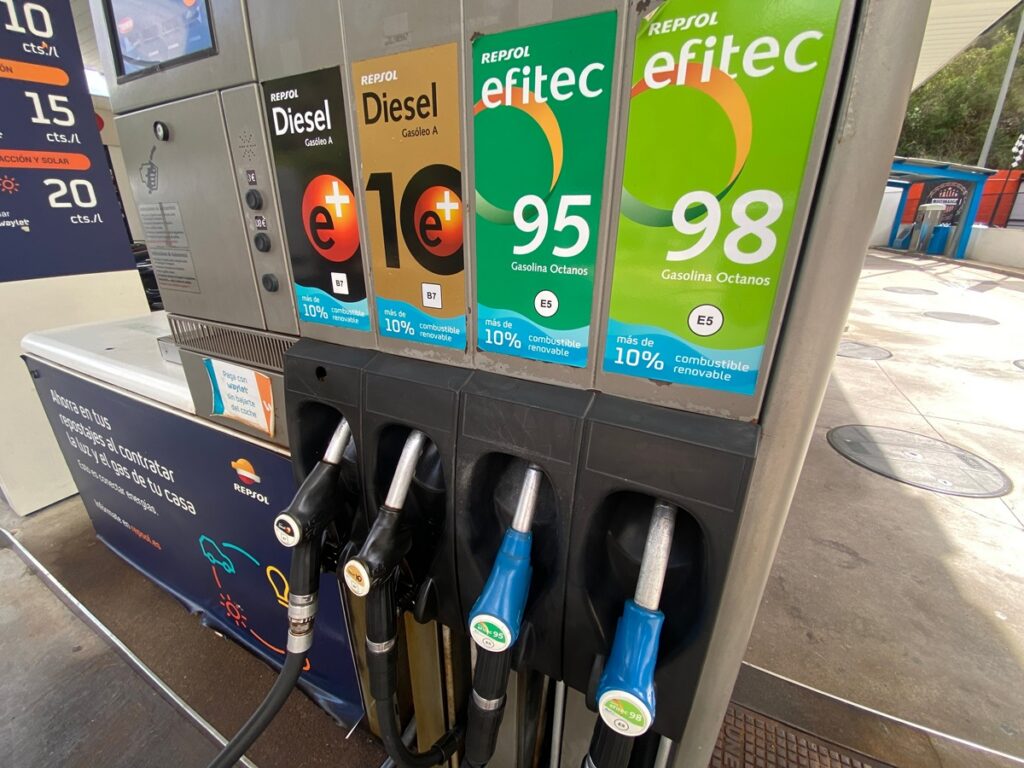
Fuel pumps at a petrol station in Spain as petrol and diesel prices rise. Credit : Tetyana_Pidkaluyk, Shutterstock
Drivers across Spain could soon feel a sharp shock at the pump, with petrol and diesel prices expected to rise rapidly – potentially by as much as 30 cents per litre in just a couple of days. The sudden surge follows rising tensions in the Middle East, which have pushed global oil markets higher and triggered immediate warnings from fuel stations across the country.
For motorists, including thousands of expats who rely heavily on their cars in coastal and rural areas, the increase could mean noticeably higher costs every time they fill up. And with fuel prices reacting quickly to global events, the impact may be visible at Spanish petrol stations almost overnight.
Why petrol and diesel prices are suddenly rising in Spain
Behind the spike lies a familiar chain reaction in the global energy market.
Oil prices have climbed sharply in recent days as geopolitical tensions escalate in the Middle East, a region that plays a crucial role in the global supply of crude oil and refined fuels.
The price of Brent crude, one of the main global benchmarks, has risen significantly – moving from around $65 per barrel to roughly $72 in just a few days, with further volatility expected.
At the same time, the European wholesale diesel market has seen an even more dramatic surge, particularly in trading hubs such as London, where diesel prices jumped by around $140 per tonne in a single trading session.
When wholesale fuel prices rise this quickly, petrol stations often adjust their pump prices soon afterwards.
Industry sources say motorists could see increases ranging between 15 and 30 cents per litre compared with prices seen last Friday.
For drivers, the maths adds up quickly. A typical 55-litre tank would cost around €8.25 more if prices rise by 15 cents per litre, and €16.50 more if the increase reaches 30 cents.
Why the Strait of Hormuz matters for fuel prices in Europe
Much of the market anxiety is currently focused on the Strait of Hormuz, one of the most strategically important shipping routes for global energy supplies.
This narrow waterway between the Persian Gulf and the Gulf of Oman handles around one fifth of the world’s oil traffic, making it a key artery for international energy markets.
Recent reports of increased military tension and disruption to shipping in the area have unsettled traders and raised fears of potential supply problems.
International media have reported that several oil tankers have experienced navigation difficulties in the region amid escalating tensions.
Even though Spain imports oil from a variety of sources, global oil prices still affect the country’s fuel costs.
Spain’s Third Deputy Prime Minister and Minister for the Ecological Transition, Sara Aagesen, has pointed out that only about 5 per cent of the oil and 2 per cent of the gas consumed in Spain passes through the Strait of Hormuz, which limits the risk of a direct supply shortage.
However, global energy markets operate on a worldwide pricing system. When oil prices climb sharply, drivers everywhere feel the impact — including in Spain.
On Tuesday, Brent crude briefly approached $82 per barrel, driven largely by fears that geopolitical tensions could disrupt supplies.
What the rise could mean for drivers and expats in Spain
For many residents, especially expats living in coastal regions where public transport is limited, fuel costs are a major part of monthly spending.
Areas such as Costa Blanca, Costa del Sol and Murcia are heavily car-dependent, meaning a sudden rise in fuel prices can quickly affect household budgets.
For commuters, delivery drivers, or families who rely on their vehicles daily, even small increases at the pump can add up over time.
With prices expected to fluctuate depending on global events, motorists may want to keep a closer eye on fuel costs over the coming weeks.
Simple ways drivers in Spain can reduce fuel costs
Although drivers cannot control global oil prices, there are several ways to soften the impact of rising fuel costs.
One of the easiest steps is comparing fuel prices before filling up. Spain’s Ministry for Ecological Transition operates an official online tool, the Geoportal de Hidrocarburos, which allows motorists to check prices at nearby petrol stations.
Fuel prices can vary significantly depending on location. Motorway service stations and tourist areas often charge noticeably higher prices, while supermarkets and independent stations may offer cheaper options.
Driving habits can also make a difference. Spain’s traffic authority DGT says smoother driving – avoiding sudden acceleration, maintaining a steady speed and anticipating traffic – can significantly reduce fuel consumption.
Energy agency IDAE has also highlighted simple measures such as shifting to higher gears earlier and keeping a constant speed.
Finally, vehicle maintenance matters. Ensuring tyres are correctly inflated and the engine is well maintained can reduce fuel consumption and help drivers avoid unnecessary costs.
Fuel markets remain unpredictable
For now, the future of fuel prices largely depends on how geopolitical tensions evolve.
Energy markets are extremely sensitive to developments in major oil-producing regions, meaning prices can change quickly.
For drivers in Spain, the coming days could bring noticeably higher prices at the pump – a reminder of just how closely everyday costs are tied to global events happening thousands of kilometres away.
Sign up for personalised news
Subscribe to our Euro Weekly News alerts to get the latest stories into your inbox!
By signing up, you will create a Euro Weekly News account if you don't already have one. Review our Privacy Policy for more information about our privacy practices.





Farah Mokrani
Farah is a journalist and content writer with over a decade of experience in both digital and print media. Originally from Tunisia and now based in Spain, she has covered current affairs, investigative reports, and long-form features for a range of international publications. At Euro Weekly News, Farah brings a global perspective to her reporting, contributing news and analysis informed by her editorial background and passion for clear, accurate storytelling.
Comments
Paul
07 March 2026 • 12:59Those old stocks soon diminished!
Mac
08 March 2026 • 09:06So much profiteering around Valencia area with diesel price going from €1.29 to €1.55 the day after a barrel of crude jumped in price. They said on BBC news it would take around two weeks before the price rises hit the pumps. So charging a massive increase on fuel in your petrol stations is just greed in the extreme.
Comments are closed.