How much could energy bills drop if Europe caps gas prices?
By Dora Urbancsek • Updated: 12 Mar 2026 • 15:17 • 3 minutes read
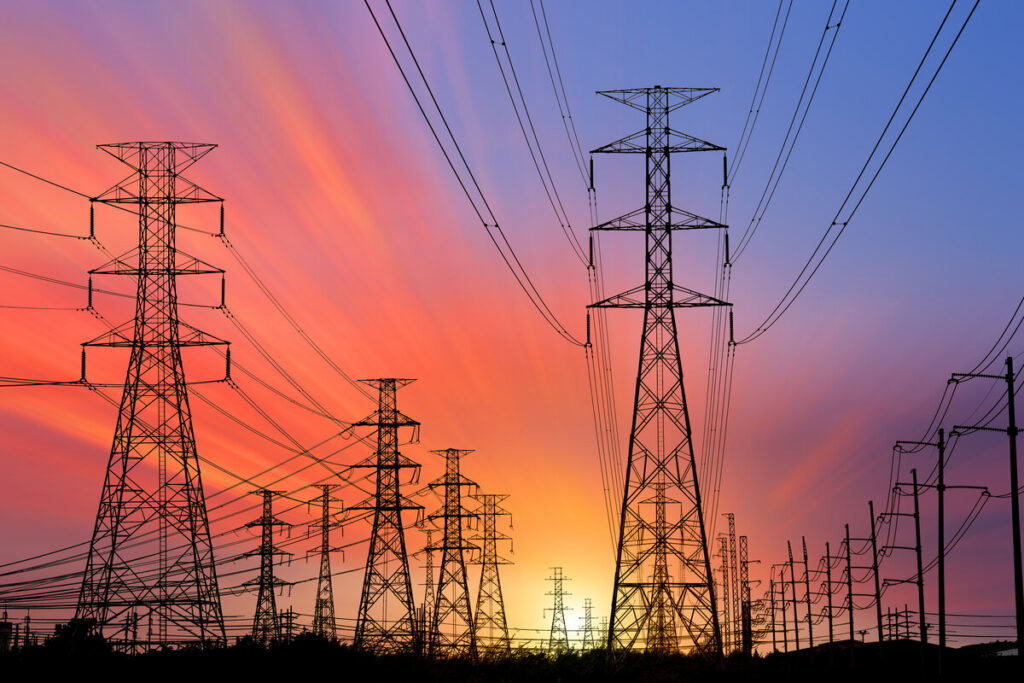
EU leaders are discussing a possible cap on gas used for electricity generation, a move that could influence energy prices across Europe. Credit: Shutterstock/Pand P Studio
European leaders are once again discussing a cap on gas prices used to generate electricity, a measure that could help reduce household energy bills across several EU countries if introduced.
The idea has resurfaced as energy costs remain volatile and governments look for ways to protect consumers and businesses from future price spikes. While the proposal would apply across the European electricity market, it could also affect countries like Spain that rely on gas-fired power plants to help set electricity prices.
Why Europe is discussing a gas price cap again
Gas prices play a major role in determining electricity costs in Europe. Even when renewable energy is widely used, gas-fired power plants often set the final price in wholesale electricity markets. Because of this system, a sudden increase in gas prices can quickly push up electricity bills for households and businesses across the continent.
EU policymakers are now examining whether a price cap on gas used in electricity production could prevent similar spikes in the future. The idea is similar to the emergency “Iberian mechanism” previously introduced by Spain and Portugal during the energy crisis. Officials say the goal is to stabilise prices and protect consumers while Europe continues expanding renewable energy and reducing dependence on imported fuels.
What the proposal could mean for energy bills
If implemented, a gas price cap could lower the cost of electricity generation during periods of high gas prices. This would not eliminate energy costs, but it could limit how high electricity prices rise during market shocks.
Countries that rely heavily on gas-linked electricity pricing could see the biggest impact. In practice, that means the measure could affect electricity costs across much of Europe. However, economists warn that price caps can also distort energy markets if they remain in place for too long or if gas suppliers redirect shipments to markets offering higher prices.
Why energy prices remain a concern in Europe
Although energy prices have stabilised compared with the peak of the 2022 crisis, they remain sensitive to geopolitical tensions and global supply conditions. Europe still imports a large share of its natural gas, and any disruption in supply can quickly influence electricity markets. This has pushed EU officials to explore additional safeguards that could prevent another surge in energy costs while the continent continues investing in renewable energy and infrastructure.
Some European countries already use energy price caps
While the EU is debating a continent-wide gas price cap, some countries already operate their own systems to limit energy costs for households.
Hungary is one of the most prominent examples. The government introduced strict caps on residential electricity and gas prices in 2013 under its “utility price reduction” policy. These regulated tariffs kept household energy bills among the lowest in the European Union for many years.
However, the system has also required significant state support and adjustments when global energy prices surged in recent years. Since 2022, Hungary has limited the subsidised price to a certain level of consumption, with higher usage charged closer to market rates.
The comparison highlights the challenge facing European policymakers. While price caps can help protect consumers from sudden spikes, they also need to be carefully designed to avoid distorting energy markets or creating large public costs.
Questions people are asking about a possible gas price cap
How much could electricity bills fall?
It depends on the level of the cap and market conditions. During the Iberian mechanism in Spain and Portugal, some consumers saw electricity prices reduced by several tens of euros per megawatt hour compared with market levels during peak periods.
Would the cap apply to all EU countries?
The current discussion focuses on a European-wide mechanism, but any final proposal would still require agreement between EU member states.
How long would the cap remain in place?
Most proposals suggest a temporary measure, designed to stabilise prices during periods of high volatility rather than a permanent market intervention.
When could it take effect?
For now, the idea remains under discussion. Any EU-wide price cap would require formal approval and regulatory changes before it could be implemented.
When a gas price cap could actually happen
EU energy ministers and policymakers are expected to continue examining options to stabilise electricity markets as part of broader energy reforms. Whether a gas price cap becomes part of those reforms will depend on negotiations between member states and the European Commission in the coming months.
Follow Euro Weekly News on Google News
Get breaking news from Spain, travel updates, and expat stories directly on your Google News feed.
Follow on Google NewsSign up for personalised news
Subscribe to our Euro Weekly News alerts to get the latest stories into your inbox!
By signing up, you will create a Euro Weekly News account if you don't already have one. Review our Privacy Policy for more information about our privacy practices.





Dora Urbancsek
Dora Urbancsek is an SEO writer with over eight years of experience producing high-quality, search-optimised journalism and digital content. Based in Spain for more than five years, she covers a wide range of topics concerning Spain and Europe, including current affairs, community stories, culture, and lifestyle. Dora is known for accurate, well-researched reporting that keeps readers informed and engaged.
Comments