UK holidaymakers warned not to visit the Canary Islands in 2026
By Natascha Rivera • Published: 13 Mar 2026 • 6:55 • 3 minutes read
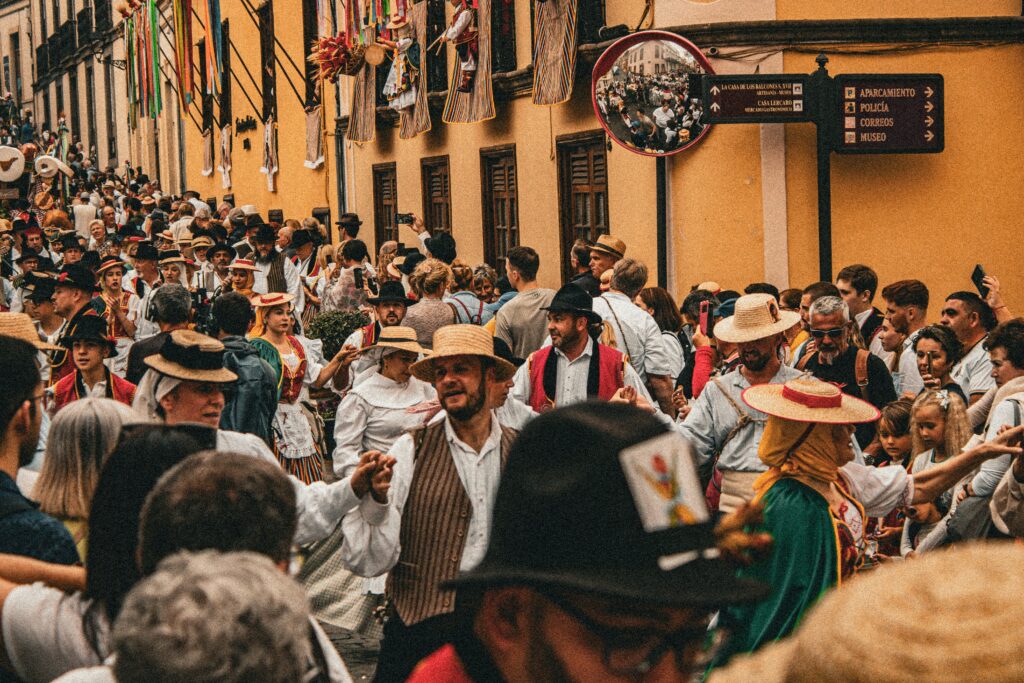
Tenerife and Lanzarote added to Fodor’s 2026 overtourism watchlist. Photo Credit: Junior Verhelst / Unsplash
The Canary Islands have long been some of Spain’s most popular destinations, especially among UK travellers. However, two major islands, Lanzarote and Tenerife, have been added to a prestigious list of places not to travel, and UK holidaymakers are already being advised to think twice before booking that trip to the sunny isles.
Prestigious travel guide says ‘No’ to Canary Islands this year
Fodor’s Travel Guide, a leading curated guidebook for all things travel, has put the Canary Islands of Tenerife and Lanzarote on its “No List” for 2026, a curated list of destinations “where tourism is placing unsustainable pressures on the land and local communities.” The islands have been placed on the long-running list following growing concerns about overtourism, anti-tourism demonstrations on the islands, and environmental and cultural strain.
Fodor’s Travel Guide is a long-running publication that has been active for more than 80 years. According to the guide’s official website, they boast coverage of more than 8,000 worldwide destinations, with a team of more than 700 local writers.
Why travellers should reconsider their trips to Tenerife and Lanzarote
Under the title “Eight destinations to reconsider in 2026,” Fodor’s Travel Guide emphasised that the “No List” is “not a boycott,” but instead is an invitation for tourists to be more conscientious of their holiday destinations and the rampant overtourism that accumulates in many holiday hotspots, including a number of destinations in Spain.
In the “No List” article, ATAN, one of the islands’ oldest conservation organisations, expressed concern that residents of the Canary Islands are “losing their identity, culture, and, ultimately, their right to exist as a community.”
Water scarcity due to consistent droughts, as well as strain on infrastructure were also key reasons the list advised to ease off the Canary Islands in 2026.
Anti-tourism demonstrations and protests have become increasingly more common on the islands, with thousands of residents marching in the streets and especially in tourist hotspots.
The Canary Islands: Nearly 20 million visitors annually
The eight Canary Islands are some of Spain’s most popular holiday destinations and receive some 16 to 17 million visitors a year, flooding the island with concerns about cramped peak seasons, the islands’ straining environment, skyrocketing cost of living for locals, and a growing housing crisis. According to Fodor’s Travel Guide, during the first six months of 2025 alone, the Canary Islands welcomed more than 7.8 million tourists, with airport traffic exceeding 27 million passengers.
With UK holidaymakers being one of the largest demographics of tourists, visitors are being warned to opt for a different destination and give Spanish islands like Lanzarote and Tenerife a breather during peak season.
In order to combat the strain caused by overtourism, the Canary Islands have implemented several new initiatives:
- Tenerife introduced an eco-fee for access to parts of the Tenerife National Park in 2026, charging visitors €25 while locals get in for free.
- Regional legislation on the islands now freezes new holiday-rental licences for several years and gives municipalities the power to cap or zone tourist apartments, prioritising residential housing for locals.
- The islands are increasingly more focused on sustainable tourism and visitor management.
For travellers that have already purchased non-refundable tickets,
Here are some tips to enjoy a holiday on the Canary Islands, while also respecting the local culture and way of life:
- Choose a local hotel over an Airbnb: This not only helps a local establishment, but also eases the housing crisis on the islands by discouraging oversaturation of tourist lets and ultimately, helps keep housing available for residents.
- Respect protests: Locals reserve their right to demonstrations, and respecting protests is a way to ensure that the voices of the residents are heard during peak season strain.
- Spend at local establishments: Restaurants, bars, leisure establishments, and other local businesses benefit from tourist spending.
- Respect the environment: Avoid littering or causing any damage to the environment.
- Respect the locals’ rest: Avoid making noise at night and disturbing others’ rest.
- Learn about local culture and traditions: Sharing in cultural activities and events can be a way to gain a new experience while respecting residents’ way of life.
Hoping for harmony on the islands in 2026
While Fodor’s “No List” is a reputable, curated, and well-researched group of places to avoid, the tourists that do end up going to the Canary Islands this year can still find ways to peacefully coexist with locals, respect the islands’ culture and way of life, and enjoy their holiday in one of Spain’s most idyllic locations.
Sign up for personalised news
Subscribe to our Euro Weekly News alerts to get the latest stories into your inbox!
By signing up, you will create a Euro Weekly News account if you don't already have one. Review our Privacy Policy for more information about our privacy practices.




Natascha Rivera
Natascha is a Dominican writer based in Spain with a background in audiovisual and marketing communication. A lifelong reader and passionate storyteller, she brings a creative edge to her work at Euro Weekly News. Her multicultural perspective informs her coverage of lifestyle and community stories, offering fresh angles and relatable storytelling that connects with a diverse audience.
Comments