30 drivers fined in minutes: The new ‘hidden’ radar tactic catches motorists out in Spain
By Dora Urbancsek • Updated: 20 Mar 2026 • 10:44 • 2 minutes read
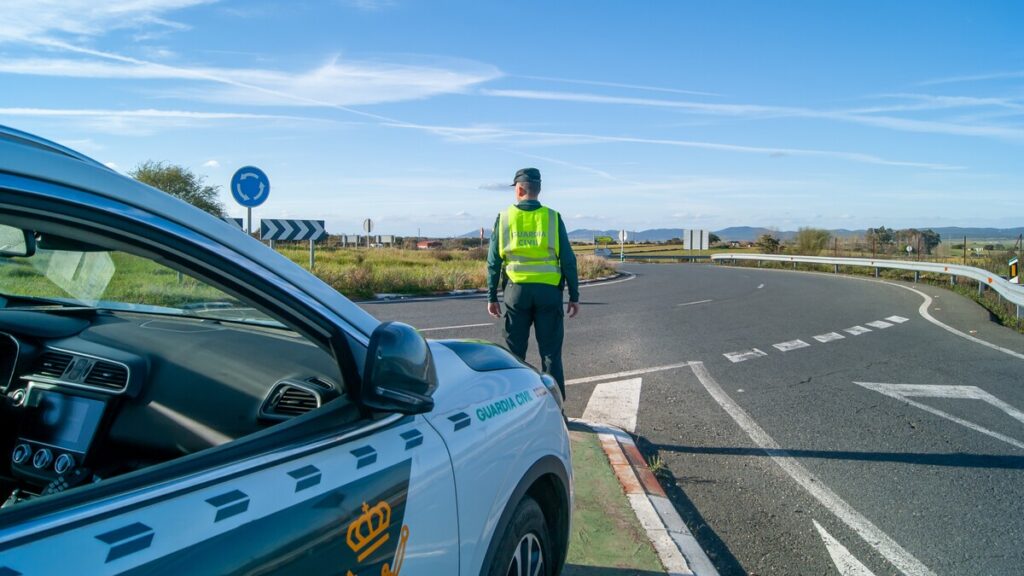
Mobile speed checks in unexpected locations, such as roundabouts, are raising questions among drivers in Spain Credit: Shutterstock/Ivanb.photo
At least 30 drivers in Catalonia, Spain were issued immediate fines this week after the Mossos d’Esquadra deployed a mobile speed radar directly on a raised roundabout island. The tactical operation, which has sparked outrage on social media, saw officers catch nearly three dozen motorists exceeding limits in a single afternoon by using the elevated position for maximum visibility.
Under Spanish traffic law, authorities are not required to announce these mobile checks in advance, meaning the immediate consequence for drivers is a high risk of “trap” penalties in areas where speed checks are least expected. As the DGT increases surveillance on roundabouts to curb sudden acceleration, the safest action for motorists is to assume hidden monitoring is active even in low-speed urban zones.
How the police set up the radar
According to reports, the radar was set up on a raised roundabout, allowing officers a clear view of approaching vehicles. Drivers who exceeded the speed limit were stopped or later fined, with around 30 penalties issued during the operation. Although mobile radars are commonly used across Spain, placing one on a roundabout is less typical, which is why the case gained traction online.
Many drivers are reacting
The reaction has centred less on the fines themselves and more on how the control was carried out. Many drivers argued on social media that the setup felt more like a “trap” than a standard safety measure. The image circulated widely on social media, where users questioned whether enforcement methods are becoming increasingly aggressive. In similar discussions online, some drivers have described hidden or unexpected radars as “over the top”, reflecting a broader frustration with traffic controls perceived as difficult to anticipate.
Can police really do this in Spain
Under Spanish traffic law, mobile speed cameras do not need to be visible or announced in advance. Authorities are allowed to position radars in locations where they can safely monitor traffic, including areas not typically associated with speed checks. The Dirección General de Tráfico (DGT) states that controls are intended to reduce accidents and improve road safety, particularly in areas where risky driving behaviour is more likely. However, fines can be challenged if proper procedures are not followed, such as issues with calibration, documentation, or operator presence in certain cases.
Drivers are wondering why roundabouts are being targeted
Roundabouts are increasingly monitored because they are common points for sudden acceleration, incorrect lane use, and priority confusion. Drivers often lower their guard in these areas, assuming checks are unlikely. By placing radars in such locations, authorities can detect short bursts of speeding that might otherwise go unnoticed.
Are more unexpected speed checks coming across Spain?
There is no indication that authorities will change how mobile radars are used following this case. In fact, Spain has been moving in the opposite direction, with more flexible and less predictable speed controls already being rolled out. For drivers, this means enforcement is likely to remain consistent with current practice: mobile radars can appear in unexpected locations, and fines may be issued without prior warning. With the busy spring and summer travel season approaching, motorists are likely to see an increase in roadside checks across the country.
Sign up for personalised news
Subscribe to our Euro Weekly News alerts to get the latest stories into your inbox!
By signing up, you will create a Euro Weekly News account if you don't already have one. Review our Privacy Policy for more information about our privacy practices.





Dora Urbancsek
Dora Urbancsek is an SEO writer with over eight years of experience producing high-quality, search-optimised journalism and digital content. Based in Spain for more than five years, she covers a wide range of topics concerning Spain and Europe, including current affairs, community stories, culture, and lifestyle. Dora is known for accurate, well-researched reporting that keeps readers informed and engaged.
Comments
Mike
20 March 2026 • 10:09subscribe to Waze which is a system whereby you can notify if you see police, accidents etc and other users get a warning
Dr.Trth
20 March 2026 • 11:04More EU fines nonsense whilst UKRAINAINS and others get let off with fines!
Dr.Trth
20 March 2026 • 11:04More EU fines nonsense whilst others get let off with fines!
Jack
20 March 2026 • 14:28Obey the the speed limit= no problem! It’s so simple! 🤔👊
Comments are closed.