Here’s what will actually happen to your Kindle on May 20
By Natascha Rivera • Published: 16 Apr 2026 • 14:40 • 3 minutes read
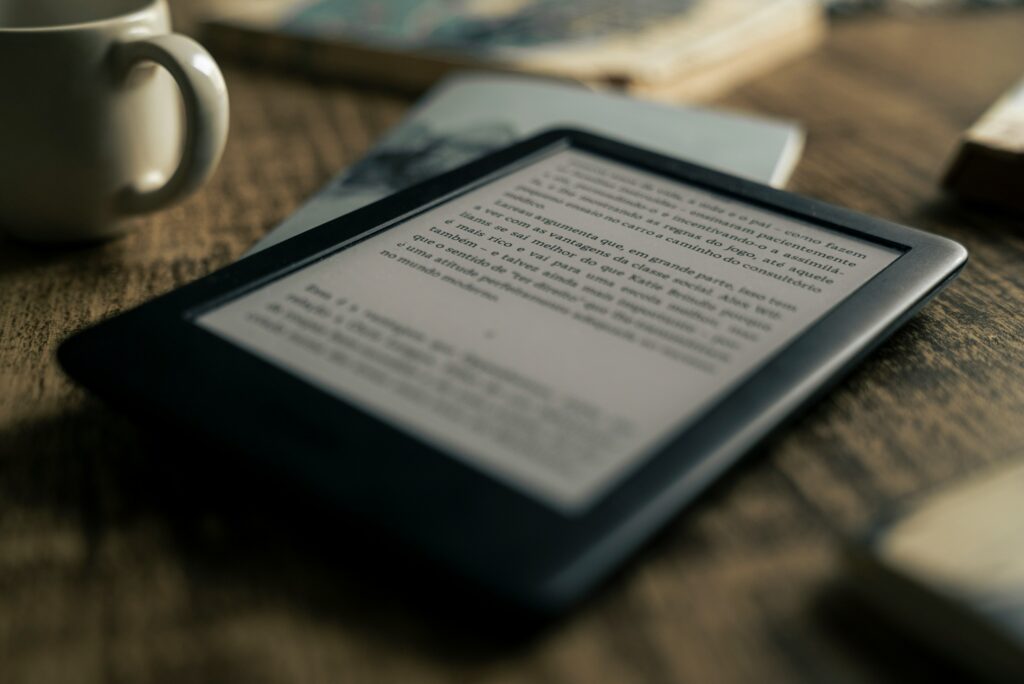
Amazon ends support for older Kindles, sparking backlash from users Photo Credit: @felirbe / Unsplash
For many readers, the Amazon Kindle is a godsend. It’s lightweight, portable, water-resistant, and has a massive storage capacity. The battery life is astounding, able to last for days, and its backlit E-ink screen, which mimics real paper, allows readers to read at night (and in planes, for instance), all while being easier on the eyes than a traditional blue-light screen. This is to say nothing of the sentimental value a Kindle might hold for bookworms who bring it everywhere with them.
But this month, tech giant Amazon has announced a new change that has sparked backlash from dedicated e-reader users: from May 20, 2026, some Kindle devices will no longer be supported. But what does this mean, and which Kindles will be affected?
Amazon’s announcement … and what it actually means
The alert from Amazon stated that older Kindle models will no longer be supported. In short, this means that from May 20, users will no longer be able to download new books from the Amazon store, as the devices will no longer have web support. Libby users will also take a hit, being unable to borrow e-books from their library as these books also go through the Kindle store and the ‘Send to Kindle’ feature.
The affected devices will also no longer be able to receive updates, and Amazon’s email detailed that users who deregister or do a factory reset on their devices will not be able to register them again.
Notably, the Kindle Library will remain fully accessible for users through the free Kindle app and Kindle for Web. Users who connect their Kindle to a computer and use a programme like Calibre will still be able to transfer, or “sideload,” e-books to their Kindle.
Which Kindles are being affected?
In the email Kindle users received, Amazon stated they are “discontinuing support for Kindle devices released in 2012 or earlier. The affected devices include:
- Kindle (1st generation)
- Kindle (2nd generation)
- Kindle DX
- Kindle DX Graphite
- Kindle Keyboard
- Kindle 4
- Kindle Touch
- Kindle 5
- Kindle Paperwhite (1st generation)
- Kindle Fire (1st generation)
- Kindle Fire (2nd generation)
- Kindle Fire HD 7
- Kindle Fire HD 8.9
In total, the move is estimated to affect some 2 million devices.
The controversy
The move has been heavily criticised by readers who own Kindles. While users of these older Kindle models will still be able to read the books that are already downloaded onto the device, the prospect of not being able to download new books without using a third-party programme may be a dealbreaker, prompting users to switch to other devices, like a Kobo.
Criticisms of Amazon’s UI for the Kindle, including the prevalence of ads and often-restrictive format support have also led users to ditch their Kindles and opt for other e-readers.
Additionally, many users report that their Kindles, despite being more than a decade old, are still working fine. Newer Kindles may last weeks on a single charge, while the battery health and speed of performance of older models will slowly deteriorate over time with heavy use; but for the most part, many Kindles manufactured in 2012 or before are still in perfectly good condition. As a result, many readers have condemned Amazon’s announcement as a deliberate ploy to get readers to purchase another Kindle.
Older Kindle models also feature physical page-turn buttons on the devices, which some readers prefer. With the new announcement, disgruntled readers may be forced to go with the touch-screen page turning options instead.
To facilitate some users’ transition to a new Kindle, Amazon has offered a 20 per cent discount on a newer model, as well as e-book credits. However, the move has been denounced as “corporate greed” by outraged users, for whom the Kindle is not only a convenient way to store books and read on-the-go, but a sentimental device.
The bottom line for readers
For some users, the only viable path will be ditching their old Kindle and transitioning to a newer model or even another brand of e-reader entirely. Others will opt for jailbreaking their Kindle, a process that involves removing Amazon’s software restrictions and gaining access to the device’s operating system.
Ultimately, readers will have to decide whether they are willing to stay in Amazon’s ecosystem, or finally turn the page on it.
Sign up for personalised news
Subscribe to our Euro Weekly News alerts to get the latest stories into your inbox!
By signing up, you will create a Euro Weekly News account if you don't already have one. Review our Privacy Policy for more information about our privacy practices.




Natascha Rivera
Natascha is a Dominican writer based in Spain with a background in audiovisual and marketing communication. A lifelong reader and passionate storyteller, she brings a creative edge to her work at Euro Weekly News. Her multicultural perspective informs her coverage of lifestyle and community stories, offering fresh angles and relatable storytelling that connects with a diverse audience.
Comments