London mayor calls for UK to rejoin EU in future Labour policy
By Molly Grace • Published: 21 Mar 2026 • 22:12 • 3 minutes read
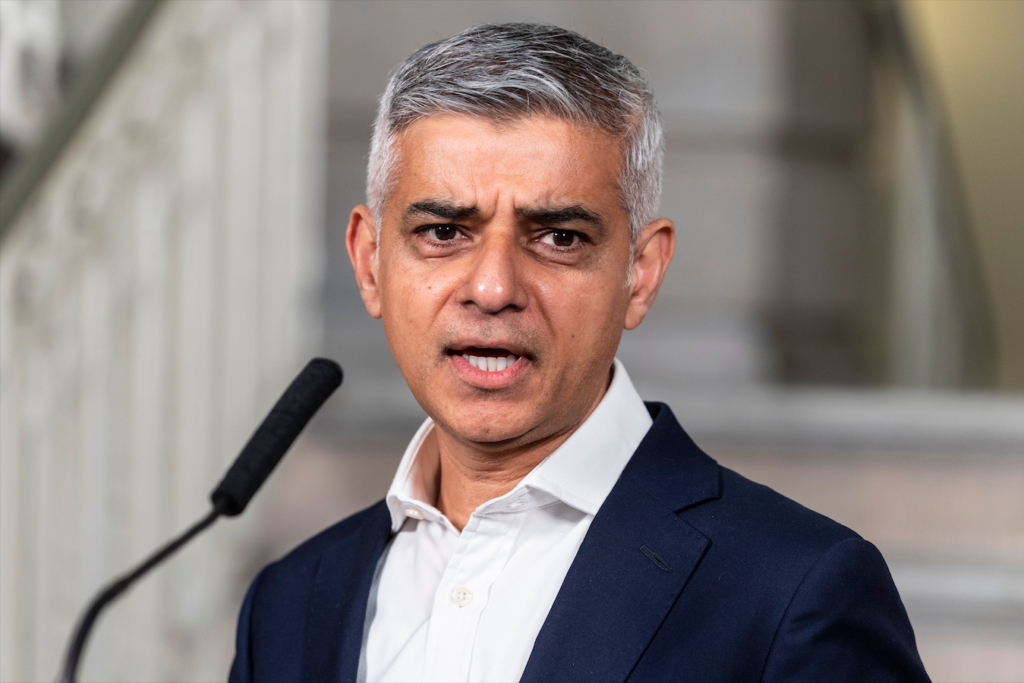
Khan’s argument is rooted in what he describes as a new global environment shaped by economic instability and shifting alliances. Photo credit: Lev Radin/Shutterstock
London mayor Sadiq Khan has called for the United Kingdom to consider rejoining the European Union, arguing that shifting global conditions have strengthened the case for closer ties. His comments affect British voters, businesses and policymakers, particularly as the country continues to adjust to life outside the EU following Brexit. The issue matters now because geopolitical uncertainty, including trade tensions linked to Donald Trump, is reshaping international alliances and economic strategy.
A long-term political position rather than an immediate policy
Sadiq Khan has urged the Labour Party to adopt a clear commitment to rejoining the European Union as part of its platform for a future general election. His remarks were made in interviews with European media, where he argued that the political and economic context has changed significantly since the UK formally left the EU in 2020.
He did not outline a timeline for re-entry, nor did he suggest that negotiations should begin immediately. Instead, his position centres on building public support over time and presenting EU membership as a long-term strategic objective. This distinguishes his stance from current UK government policy, which does not include any plans to reverse Brexit.
Economic and geopolitical pressures influencing the discussion
Khan’s argument is rooted in what he describes as a new global environment shaped by economic instability and shifting alliances. He has pointed to the impact of protectionist trade policies associated with Donald Trump, particularly the use of tariffs, as a factor that could leave the UK more exposed outside a large economic bloc.
The mayor has also highlighted broader concerns around supply chains, international cooperation and the UK’s global competitiveness. Supporters of closer EU ties argue that membership could help reduce trade barriers, improve labour mobility and strengthen economic resilience.
However, the question of EU membership remains politically sensitive. The Brexit referendum in 2016 resulted in a vote to leave, and successive governments have focused on implementing that decision rather than revisiting it.
Limited immediate impact but potential long-term consequences
At present, Khan’s proposal does not change any laws or regulations affecting daily life in the UK. There are no new requirements for residents, businesses or travellers as a result of his comments.
However, the issue could influence future policy debates, particularly if it gains traction within the Labour Party or among the wider electorate. A shift towards rejoining the EU would have significant implications, including changes to trade agreements, immigration rules and regulatory standards.
For British citizens living abroad, including those in EU countries such as Spain, the possibility of closer alignment could affect residency rights and mobility in the longer term. For now, existing post-Brexit arrangements remain in place.
Mixed responses across the UK political landscape
Khan’s comments highlight ongoing divisions within British politics over the country’s relationship with the European Union. While some politicians and business groups have called for closer alignment or improved trade terms, there is currently no consensus on pursuing full membership again.
The Labour Party leadership has so far avoided committing to rejoining the EU, instead focusing on strengthening existing agreements and reducing trade friction. This reflects a cautious approach aimed at balancing economic concerns with the political reality that Brexit remains a contested issue among voters.
Meanwhile, supporters of Brexit argue that leaving the EU allows the UK greater control over its laws, borders and trade policy. Any proposal to rejoin would likely face significant political scrutiny and require broad public support.
Legal and political steps required
Rejoining the European Union would be a complex and lengthy process requiring both domestic and international agreement. The UK would need to formally apply for membership, after which negotiations would begin with existing EU member states.
These negotiations would cover key areas such as trade arrangements, regulatory alignment, budget contributions and freedom of movement. Any agreement would then need to be approved by all EU countries, as well as ratified within the UK through political or potentially public processes.
Unlike the original membership terms, re-entry conditions could differ significantly, reflecting changes within the EU since Brexit and the need to align with current rules. This means that returning to the bloc would not necessarily replicate the UK’s previous position.
Political debate likely to continue
The discussion around the UK’s relationship with the EU is expected to remain part of the political landscape in the coming years. As global economic conditions evolve, pressure may grow for closer cooperation or policy changes.
Further statements from political leaders and parties are likely as the next general election approaches. Any formal move towards rejoining the EU would require a clear political mandate and a lengthy negotiation process with European institutions
Sign up for personalised news
Subscribe to our Euro Weekly News alerts to get the latest stories into your inbox!
By signing up, you will create a Euro Weekly News account if you don't already have one. Review our Privacy Policy for more information about our privacy practices.




Molly Grace
Molly is a British journalist and author who has lived in Spain for over 25 years. With a background in animal welfare, equestrian science, and veterinary nursing, she brings curiosity, humour, and a sharp investigative eye to her work. At Euro Weekly News, Molly explores the intersections of nature, culture, and community - drawing on her deep local knowledge and passion for stories that reflect life in Spain from the ground up.
Comments