Shoppers in Spain face sharp food price rises as result of Middle East war. But by how much?
By Adam Woodward • Updated: 23 Mar 2026 • 9:48 • 2 minutes read
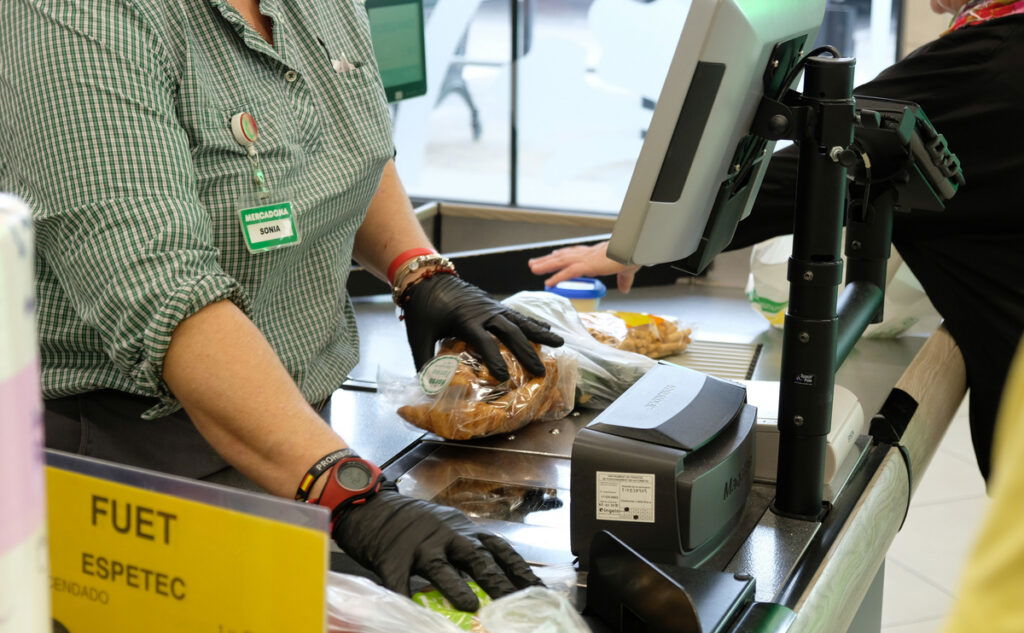
Surprises at the checkout? Credit: Axel Alvarez - Shutterstock
Almost immediately following the outbreak of war in the Middle East, it was evident on the shelves of our favourite supermarkets in Spain. Stores hadn’t even received fresh supplies on Monday, March 2, and small rises could be noted in the price of basic foods.
Spanish households are now feeling the immediate pinch from the escalating conflict in the Middle East, with supermarket prices climbing rapidly due to rising fuel and energy costs triggered by the war involving Iran, Israel, and the United States.
Record monthly increase hits grocery baskets
Food prices in Spain jumped 1.53 per cent over the past month, making this the steepest rise since June 2025, according to the latest monthly survey by the consumer group Organización de Consumidores y Usuarios (OCU). Recent months had seen slight declines of around 0.90 per cent, but fresh data now captures the initial fallout from increasing petrol and energy prices linked directly to the conflict in the region. Shoppers can notice these changes quickly at major chains including Alcampo, Ahorramas, Carrefour, Dia, Mas, Lidl, Mercadona, and El Corte Inglés.
Fruits, vegetables, and meat lead the price hike
Certain categories experienced particularly steep increases in the last 30 days. Fruits and vegetables soared by 5.78 per cent, followed by butchery and charcuterie at 3.14 per cent, beverages at 2.49 per cent, and dairy products at 1.86 per cent. Specific items show dramatic rises: bagged salads cost 22 per cent more than a month ago, while green peppers and onions rose 10 per cent. Tomatoes, apples, and sliced processed cheese increased by 9 per cent, with entrecôte steaks and orange juice up 6 per cent. These hikes compound existing pressures, leaving food prices in Spain, in general, a whopping 35.5 per cent higher than three years ago, according to OCU estimates.
Pantry staples showed little movement overall. Fish prices dipped slightly by 0.45 per cent, together with minor reductions in household cleaning and hygiene products.
Consumer groups demand urgent VAT cut on essentials
OCU is urging the Spanish government to cut VAT on basic foods from 4 per cent to 0 per cent for the duration of inflationary pressures stemming from the war. Authorities previously implemented a similar reduction in mid-2022 during the Ukraine conflict to curb production cost spikes in the primary sector. The organisation calls for equal treatment of meat and fish, items that strain budgets for a massive 40 per cent of families and were excluded from earlier VAT adjustments. Fedepesca, the Spanish fish retailers’ federation, is saying the same and wants to see zero or super-reduced VAT rates on seafood in countries like Ireland, Malta, the United Kingdom, and Portugal, as well as other key European nations. Immediate government action could prevent further escalation in the cost of living.
War-related disruptions, including threats to key shipping routes like the Strait of Hormuz, continue causing energy market volatility and threatening sustained rises in everyday essentials across Spain.
Costa living crisis? With rising prices, is Spain an expensive country to live in now?
Sign up for personalised news
Subscribe to our Euro Weekly News alerts to get the latest stories into your inbox!
By signing up, you will create a Euro Weekly News account if you don't already have one. Review our Privacy Policy for more information about our privacy practices.





Adam Woodward
Adam is a writer who has lived in Spain for over 25 years. With a background in English teaching and a passion for music, food, and the arts, he brings a rich personal perspective to his work at Euro Weekly News. As a father of three with deep roots in Spanish life, Adam writes engaging stories that explore culture, lifestyle, and the everyday experiences that shape communities across Spain.
Comments