Why expats registering to vote in local elections is more important than ever
By Adam Woodward • Updated: 30 Mar 2026 • 13:51 • 3 minutes read
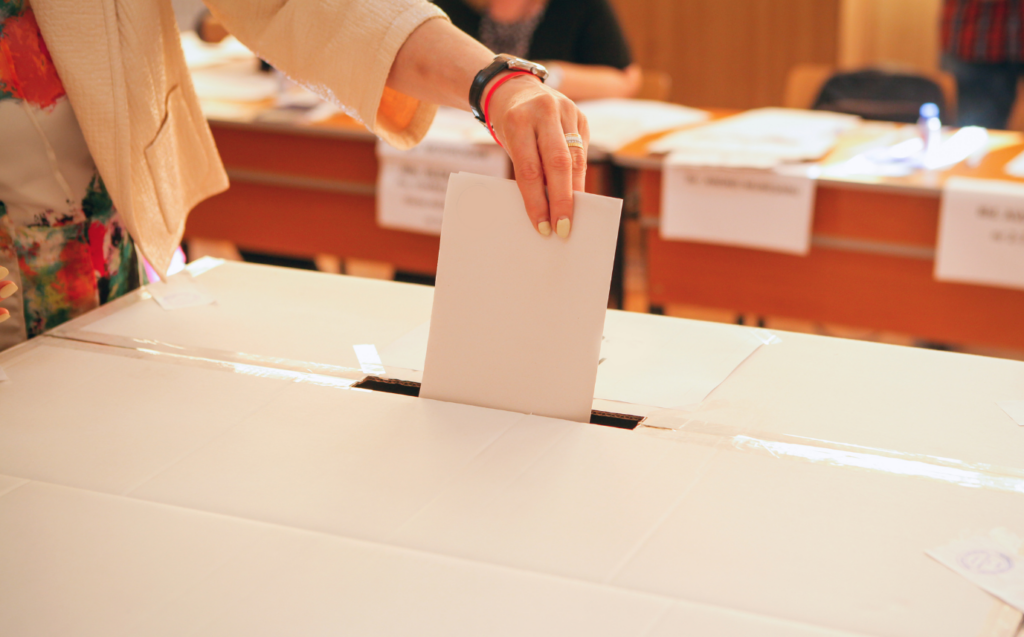
Voting in Spanish local elections - UK citizens too. Credit: Ministerio de Inclusion
Many foreigners live across all of Andalucia, so much so that we have become part of culture of the place. And we have mostly influenced it for the better. Alan James campaigned for and built the first pedestrian bridge over what is the A-7 today as well as creating over 5,000 homes; Joan Hunt established the first charity shop and palliative care centre; Charles Betty MBE created the first medical translation service; and there are, many positive aspects of an integrated, thriving multicultural society. Voting – generally expats don’t do a lot of that. But we should in local elections.
Few want to affect national or regional elections as grateful guests of Spain. But local elections are where we can make a difference and contribute in a positive way. Currently, Andalucia is gripped by election fever with the upcoming regional election in May. Once passed, the politicians will turn their attention, even if unofficially, promoting themselves for the local elections. There are already signs on social media.
Many UK residents still do not vote
You love your home here, you pay taxes here, and your children go to school here, but many people still don’t know that you may have the right to vote in local elections in Spain, UK residents in Spain too. But, who to vote for? Many may favour the national party that most closely aligns with the politics of their party back home. But on a local level in Andalucia, that won’t guarantee your Spanish town will benefit.
Many are the complaints that Euro Weekly News receives, from motorhomes cluttering up the streets to poor construction to potholes and even frequent power cuts. I’m afraid if it is falling palm trees or noise pollution, or similar, the only way to deal with the situation is to engage and vote. Soon, local election candidates will be looking for your vote, and this is then time to negotiate. You, as an expat, are not helpless.
How to register to vote in local elections in Spain
To vote, you must be on the electoral register. If you have the famous pardon and have been in Spain for 5 years, all you need to do is take your paperwork to the town hall. But do so before January 2026, when the cutoff date is for next year’s local elections in May. You will be doing your local town a service, as a town hall cannot simply decide everything alone.
Voting matters
When you vote, you become part of the decision-making where you live. You can speak to your councillors (concejales), ask questions and explain what you want for your community. Participation gives you a stronger voice. Many people also don’t realise that along much of the Costa del Sol, neighbouring municipalities are governed by the same political party. Find out who your local parties are before they pitch their candidates and ask them.
Even if your grasp of Spanish is not great, registering to vote is simple and UK citizens can vote in Spain’s local elections, despite Brexit.
At the main desk in your local town hall, simply say, “Estoy empadronado /a y quiero registrarme para votar en las elecciones municipales.”
You will need:
- Your ID (TIE, old-style Permiso de Residencia)
- A copy of your padrón showing you are registered as living in the town.
- Proof of residence (in some cases – just something, like a bill with your address on)
The council will then send your request to the national electoral registry. About a month before the local elections next year, you should receive your voting card.
Expat vote more important than ever
In many places in the world, voter participation is dropping as people feel less and less represented by the candidates on offer. This is why the expat vote is more valuable, more decisive than ever. We are many and capable of bringing great change. On the Costa del Sol alone we are between 33 and 37 per cent.
Approximate percentages (Latest Available) of foreign residents Costa del Sol
Manilva: ~40 per cent
Estepona: ~33 per cent
Marbella: ~37 per cent (foreign-born); 36.45 per cent foreign nationals in one 2025 report.
Mijas: ~37 per cent
Fuengirola: ~40–45 per cent (reports of ~44–44.6 per cent foreign-born in some 2024/2025 data)
Benalmadena: ~37 per cent
Torremolinos: ~30 per cent
Alhaurin de la Torre: ~15 per cent
Alhaurin el Grande: ~26 per cent
Coin: ~24.5 per cent
Cartama: ~15–20 per cent (lower, similar to other inland/Guadalhorce area towns; limited precise recent data)
Monda: ~25–35 per cent
Ojen: ~25–35 per cent
Benahavis: ~64 per cent!!!
You live here and you pay taxes here, so vote here too. Register before the cutoff date in January 2027.
BREAKING: British residents now able to vote in Spanish local elections
Sign up for personalised news
Subscribe to our Euro Weekly News alerts to get the latest stories into your inbox!
By signing up, you will create a Euro Weekly News account if you don't already have one. Review our Privacy Policy for more information about our privacy practices.


Adam Woodward
Adam is a writer who has lived in Spain for over 25 years. With a background in English teaching and a passion for music, food, and the arts, he brings a rich personal perspective to his work at Euro Weekly News. As a father of three with deep roots in Spanish life, Adam writes engaging stories that explore culture, lifestyle, and the everyday experiences that shape communities across Spain.
Comments