Airports start reporting fuel shortages as jet fuel prices surge
By Molly Grace • Published: 08 Apr 2026 • 15:33 • 3 minutes read
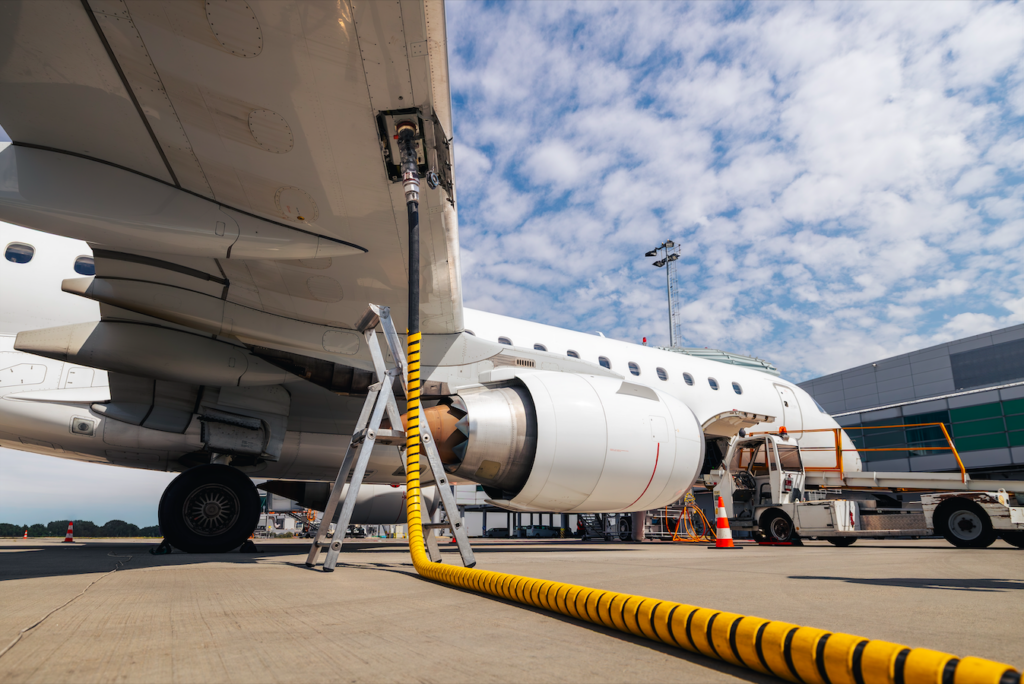
Air travel analytics suggest that rising jet fuel costs are contributing to cancellations and capacity cuts. Photo credit:Jaromir Chalabala/Shutterstock
Global airlines are adjusting operations in response to a sharp rise in jet fuel prices and tightening supply chains brought on by the ongoing conflict involving the United States, Israel and Iran. The situation has triggered flight cancellations, capacity cuts and temporary fuel rationing at some airports, but there is no verified evidence that airports have universally run out of fuel.
The surge in fuel cost and constrained supply stems principally from disruption around the Strait of Hormuz. This narrow waterway, through which about one‑fifth of global oil normally transits, has been intermittently blocked since the outbreak of hostilities in early 2026, reducing crude and refined product exports. As a result, jet fuel prices have more than doubled in some markets compared with levels before the conflict, according to industry observers.
Airlines adapt schedules as fuel costs climb
Airlines across multiple continents have already begun to adjust operations due to higher jet fuel prices. In Asia, carriers including Vietnam Airlines and other regional operators have trimmed flight schedules and increased refuelling stops to manage around tighter fuel supplies. Some carriers are carrying extra fuel from major hubs to offset uncertainties at destination airports.
The head of the International Air Transport Association (IATA), the global airline trade body, has said jet fuel supply could take months to recover even if the Strait of Hormuz reopens, owing to ongoing disruptions in Middle Eastern refining capacity and logistical networks. This longer‑term strain on refined fuel supply underpins many of the operational decisions by airlines this spring.
Global Flight Adjustments
In Europe, Ryanair’s chief executive warned recently that continued conflict and supply pressures might lead to a reduction in flights for the summer 2026 schedule if fuel availability remains constrained.
In the United States, carriers such as Delta Air Lines have responded to the fuel price spike by revising growth plans and adjusting capacity forecasts. Delta said it expects significantly higher fuel costs in the second quarter of 2026, influencing planned operations and prompting measures including fare increases and checked baggage fee hikes to offset some of the added expense.
Air New Zealand announced plans to cut a portion of flights across May and June and to raise fares, citing jet fuel prices that have more than doubled compared with typical levels for the period. The airline said around 4 per cent of flights and about 1 per cent of passengers will be affected by the consolidation of schedules.
Flight cancellations and fare responses
Air travel analytics suggest that rising jet fuel costs are contributing to cancellations and capacity cuts across the industry. Scandinavian Airlines has already scrapped roughly 1,000 services in March and April, and other carriers have made similar announcements. In some cases, United Airlines and other major carriers have targeted less profitable routes as part of broader cost‑management strategies.
Global industry reporting indicates that tens of thousands of flights have been disrupted since the conflict began, with cancellations and schedule reductions reported in Asia‑Pacific, Europe and North America. This operational volatility is tied directly to fuel cost pressures and supply limitations rather than a simple lack of fuel at airports.
Some airlines in Asia, such as AirAsia X, have stated that current jet fuel stockpiles are expected to last into mid‑2026, allowing operations to continue without disruption for the immediate future while they secure further supplies.
Airport fuel rationing in Italy
In Italy, several major airports, including Milan Linate, Venice Marco Polo, Treviso and Bologna, introduced temporary refuelling limits at the beginning of the month. Notices to airlines instructed that uplifts be capped at specified levels per aircraft to prioritise essential services such as long‑haul flights, air ambulances and state movements. While airport operators said the issue related to a single supplier, aviation sources noted that the rationing effectively provided less than an hour of autonomy for narrow‑body jets without additional refuelling stops.
Subsequent reporting indicates that local fuel suppliers stepped in to avert any immediate disruption, ensuring that flight operations continued despite initial constraints.
Broader context and travel implications
Industry authorities warn that even if a ceasefire or opening of key transit routes occurs, it could take many months for jet fuel supplies to return to pre‑conflict levels. The combination of refinery capacity disruptions, refinery maintenance cycles and continued geopolitical risk means price volatility is likely to persist.
For travellers, the immediate effects include the potential for flight cancellations, fewer seat options on certain routes and rising airfares as carriers seek to offset fuel cost increases. Planning ahead and checking with airlines for schedule updates remain essential in this evolving situation.
Overall, the current disruptions reflect the complex interplay between global energy supply chains and airline operations, with impacts seen across continents but not evidence of airports universally exhausting jet fuel supplies.
Sign up for personalised news
Subscribe to our Euro Weekly News alerts to get the latest stories into your inbox!
By signing up, you will create a Euro Weekly News account if you don't already have one. Review our Privacy Policy for more information about our privacy practices.





Molly Grace
Molly is a British journalist and author who has lived in Spain for over 25 years. With a background in animal welfare, equestrian science, and veterinary nursing, she brings curiosity, humour, and a sharp investigative eye to her work. At Euro Weekly News, Molly explores the intersections of nature, culture, and community - drawing on her deep local knowledge and passion for stories that reflect life in Spain from the ground up.
Comments