Killer whale boat attacks are back. Recent Spain rescue raises fresh safety concerns.
By Lucy Ramnought • Updated: 02 May 2026 • 11:40 • 2 minutes read
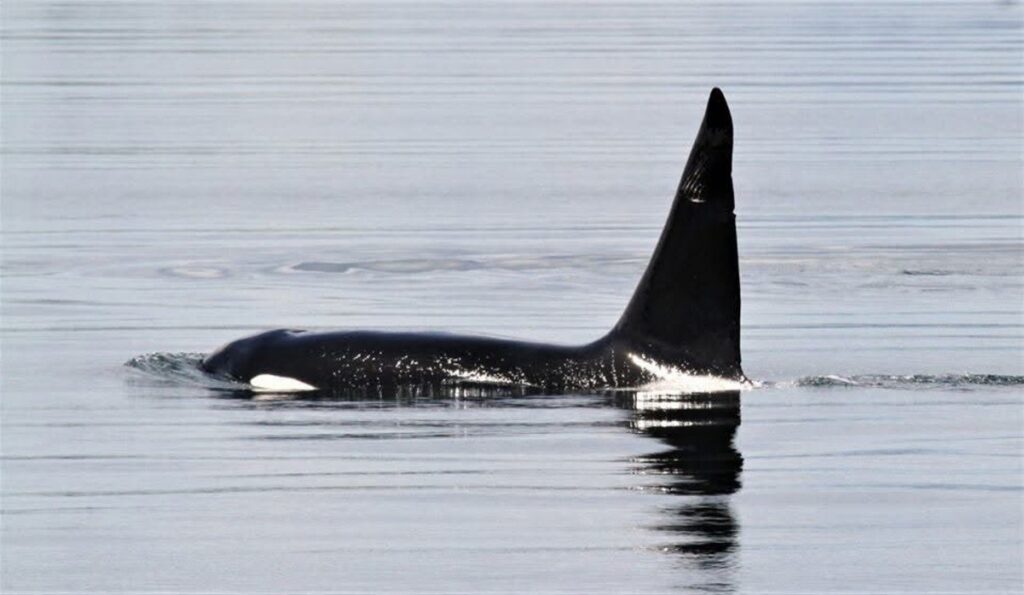
The juvenile orcas are being blamed for the damage Credit: whaletales/Janine Harles
Four people were rescued off Cabo de Palos, in the Region of Murcia, after their sailboat sank following what authorities believe had been contact with Killer whales, raising fresh safety concerns for sailors in Spain.
All crew members survived after abandoning the vessel and drifting in a life raft until a rescue helicopter reached them. Damage to the rudder and a resulting water leak forced the crew to leave the yacht, which they had been sailing travelling from Sicily to Ceuta. Investigators have not confirmed the exact cause, but the pattern of damage is familiar and consistent with previous orca–boat interactions. Eyebrows have been raised again due to the location of the incident, as most confirmed encounters have historically taken place in Atlantic waters near the Strait of Gibraltar rather than the Mediterranean.
Are the younger whales responsible?
Scientists have been tracking this unusual behaviour since 2020, with more than 500 recorded interactions involving Iberian orcas. Research points towards just a small number of individual whales being responsible, often approaching vessels and targeting specific parts of the boat rather than humans on board.
A few theories recently reported are suggesting younger orcas may be driving many of these encounters. Experts believe reduced prey availability in past years may have left juveniles without guidance, leading to curious and playful behaviour directed at boats with the primary focus being the rudders.
Experts express the boat is the target and not the humans
Evidence consistently shows that orcas involved in these incidents focus on the vessel itself rather than the crew, as no confirmed fatal attacks by wild orcas on humans have ever been recorded. Injuries are also extremely rare, even in cases where boats have been disabled or sunk. Accounts and feedback from sailors often describe the contact with the rudder or hull, reinforcing the view that the behaviour is not predatory towards people.
Should people in Spain be worried?
People can relax as risk to the general public remains extremely low. Beachgoers, swimmers and visitors to the coast are not affected by these interactions.
Concern is mainly relevant for sailors travelling through the known orca zones. Even in these areas, most encounters do not lead to injury, and rescue responses have been effective when vessels are damaged.
Current evidence shows a rare behavioural pattern involving a small number of animals and not a widespread threat or danger. Awareness and adherence to maritime guidance should be the guidence followed.
Sign up for personalised news
Subscribe to our Euro Weekly News alerts to get the latest stories into your inbox!
By signing up, you will create a Euro Weekly News account if you don't already have one. Review our Privacy Policy for more information about our privacy practices.





Lucy Ramnought
Lucy Ramnought is a local news writer and mother of 4 from the UK who has lived in the Costa Del Sol for just over 4 years. With a background in content writing and social media for various companies, and with vast experience in PA and project management, Lucy is committed to producing accurate, engaging and reliable stories to her work at Euro Weekly News.
Comments