Pet owners face urgent new EU rules on dog and cat care
By Adam Woodward • Published: 02 May 2026 • 11:15 • 3 minutes read
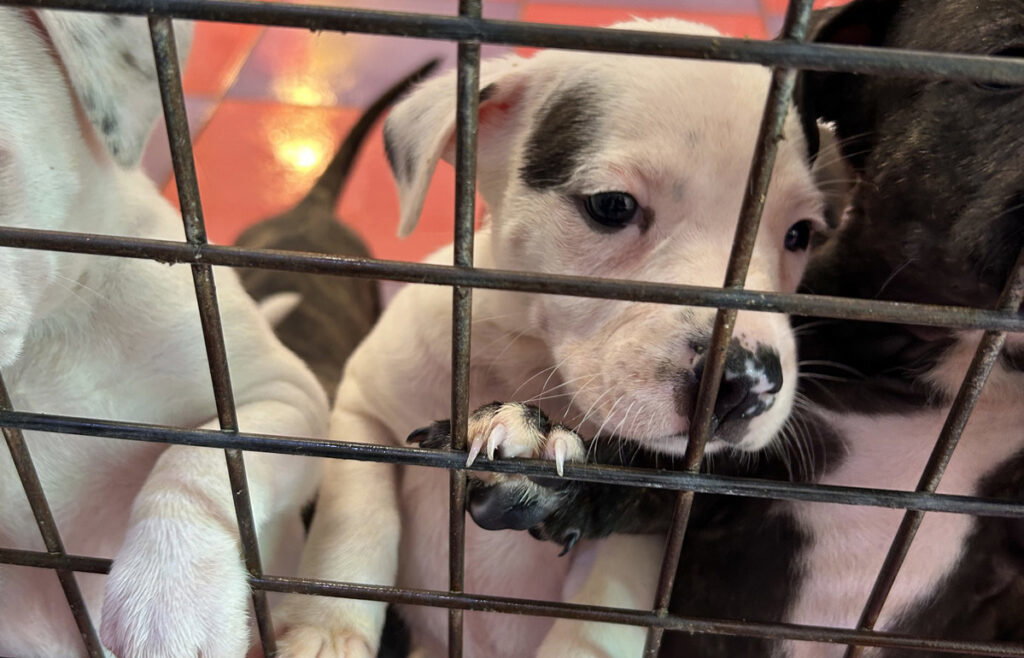
Abandoned dogs in shelter. Credit: EWN
Every dog and cat owner in Europe will need to understand the latest legal obligations that are changing responsibilities for animal welfare, identification, and selling. These new rules will close previous gaps in protection and introduce uniform standards across all member states. According to a 2023 survey, around 44 per cent of EU citizens have a pet and 74 per cent want animals to be better protected.
From fragmented national laws to unified Europe-wide standards
The European Union previously relied on varied country-specific rules that created inconsistencies and is believed enabled irresponsible breeding or online sales, which often led to animal welfare issues and consumer confusion. The European Parliament approval has now established the first dedicated community-wide rules for dogs and cats. Once formally adopted, this regulation will apply directly everywhere within the European Union and will address breeding, sales, transport, import, as well as everyday living conditions.
Daily exercise and living conditions for dogs
According to the new rules, dogs will require daily access to outdoor areas for exercise, exploration, and socialisation for at least one hour once they have turned eight weeks old. Professionals in kennels, shelters, and breeding facilities will be legally forced to meet detailed space, natural light, and enrichment standards. Permanent cage housing becomes banned except during travel, shows, or for veterinary needs. Working dogs such as livestock guardians will receive tailored exemptions for housing and restraint to suit rural duties while maintaining essential welfare levels.
Reproduction limits to protect breeding females
Breeders will face strict caps so females produce no more than three litters within any two-year period. Dogs must reach physical maturity, 18 months for bitches, before mating. Recovery intervals between births will become compulsory, while repeated caesareans will face restrictions. Puppies have to stay with their mothers until at least eight weeks to support healthy behavioural development.
Specific timelines apply to cats
Kittens will remain with their mothers for twelve weeks minimum before separation. Registration deadlines for private cat owners extend to fifteen years in some cases, reflecting existing identification differences and ownership patterns.
Compulsory microchipping will end anonymous ownership
All dogs and cats across the EU will need to receive microchip identification and registration in interconnected national databases. This traceability system tracks origins within and between countries. Professional breeders and sellers will get four years to comply, while private owners will receive longer phased periods. Animals will need identification before any sale or transfer, generally by three months of age.
Responsible breeding to ban harmful practices
Close inbreeding between parents and offspring, siblings, or grandparents and grandchildren will now become explicitly forbidden. Selection for extreme physical traits that harm health, such as breathing difficulties in brachycephalic breeds or skin issues from excessive folding, ends.
Mutilations and harsh training methods to disappear
Ear cropping, tail docking, declawing, and vocal cord surgery will face complete prohibition except for genuine medical reasons certified by veterinarians. Spike collars, choke chains without safety features, and routine tethering to objects are to become illegal outside temporary veterinary contexts. Curiously, hunting dogs will be exempt from this rule.
Tighter controls on online sales and imports
Digital platforms are going to verify identification and registration before posting any animal advertisement. Listings will require clear health details, vaccination records, hereditary condition information, and owner responsibility warnings. Imports from outside the EU for commercial purposes will demand prior microchipping and national database entry. Travellers must pre-register animals at least five days in advance to prevent disguised commercial movements.
Professional standards to rise across the sector
Staff in breeding, shelter, and pet businesses will have to complete approved training in animal behaviour, handling, and welfare. Annual veterinary visits are to become compulsory to monitor health and improve conditions. These measures are supposed to align with broader One Health goals linking animal welfare to public health, an EU initiative to improve the health of people, animals and the environment across Europe.
Phased rollout will give time to adapt
Different requirements will begin to activate over periods from two to fifteen years. Technical registration and infrastructure elements will follow shorter timelines, while private owner registration extends further. This is yet to be decided.
Owners will gain stronger guarantees when acquiring pets, especially online, through verifiable origins and full disclosure. The rules are meant to combat illegal animal trading, reduce abandonment risks, and promotes higher care standards throughout the European single market, although the transition may end up affecting our entire societal relationship with pets.
Sign up for personalised news
Subscribe to our Euro Weekly News alerts to get the latest stories into your inbox!
By signing up, you will create a Euro Weekly News account if you don't already have one. Review our Privacy Policy for more information about our privacy practices.





Adam Woodward
Adam is a writer who has lived in Spain for over 25 years. With a background in English teaching and a passion for music, food, and the arts, he brings a rich personal perspective to his work at Euro Weekly News. As a father of three with deep roots in Spanish life, Adam writes engaging stories that explore culture, lifestyle, and the everyday experiences that shape communities across Spain.
Comments