Schengen visa goes digital: what changes for travellers from 2026
By Farah Mokrani • Published: 08 Apr 2026 • 14:32 • 4 minutes read
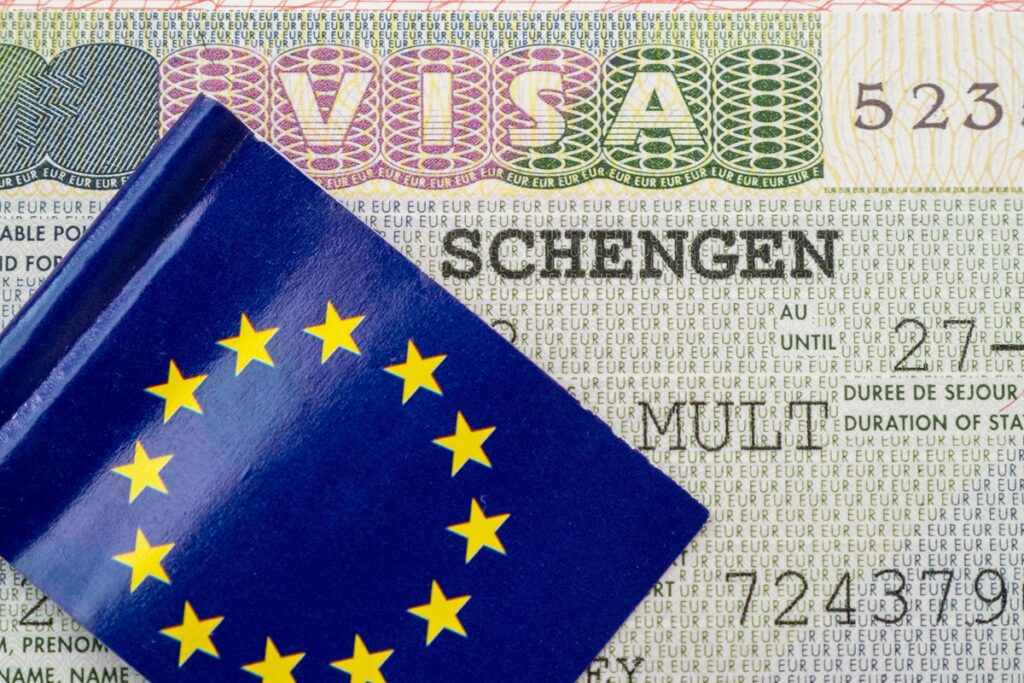
The traditional Schengen visa sticker set to be replaced by a digital system Credit : Savvapanf Photo, Shutterstock
The familiar visa sticker in your passport is on its way out. The European Union has confirmed the shift towards a fully digital Schengen visa, replacing the physical vignette with a secure 2D barcode. For millions of travellers who apply every year, this marks a major change in how visas are issued, stored and checked at the border.
The reform is part of a wider effort to modernise how Europe manages its borders and visa system. With more than 11 million applications processed in a single year, the current system has long been under pressure. The goal now is to simplify the process, reduce delays and make the whole experience more transparent for applicants.
How the new digital Schengen visa will work
Under the new system, the traditional sticker placed inside your passport will be replaced by a digital visa linked to a cryptographically secured 2D barcode. This code will contain key information about the traveller, including biometric data such as a facial image.
The idea is to make visas more secure and harder to falsify. Instead of relying on a physical document that can be damaged or lost, the visa becomes a digital record that can be verified electronically.
Importantly, travellers will still be able to print their visa if needed. There is no requirement to show it on a smartphone at the border, which avoids potential issues for those without digital access.
The system will apply to both short stay and long stay visas, covering the full range of Schengen travel permissions.
France has already tested the concept during the Paris 2024 Olympic Games, issuing tens of thousands of digital visas to athletes, journalists and official delegations. That trial helped confirm that the technology can work in real conditions before a wider rollout.
Applying online: what the new EU visa platform changes
At the centre of the reform is a new online system called the EU Visa Application Platform, or EU VAP. This platform will allow travellers to complete their entire visa application online.
Applicants will create a secure account, fill in their details, upload documents, pay fees and follow the progress of their application in real time. One of the most useful features is that the platform will automatically determine which country is responsible for handling the application, removing a common source of confusion for people travelling to several destinations.
There will also be a built in support system to answer questions directly through the platform.
However, one step remains unchanged. First time applicants will still need to attend an in person appointment to provide biometric data, including fingerprints and a photograph. Once this has been done, those biometrics remain valid for nearly five years, meaning renewals can then be handled entirely online.
The rollout will not happen overnight. Development of the platform is set to continue from 2026, with full operation expected by 2028. After that, countries will have a transition period of several years to adopt the system, meaning both digital and traditional visas will coexist for some time.
What it means for travellers applying for a Schengen visa
For non European travellers, the changes are likely to make the process more straightforward, even if not everything becomes easier straight away.
One of the biggest practical differences is that applicants will no longer need to leave their passport at the consulate during the process. This alone removes a major inconvenience, especially in countries where waiting times can be long.
The ability to track applications in real time also adds a level of transparency that many applicants have been asking for. Instead of waiting without updates, travellers will be able to see exactly where their application stands.
At the same time, some things will remain the same. Visa fees are not expected to change, and service charges from external providers will still apply. The need for an initial biometric appointment also means that part of the process remains physical.
The reform is particularly relevant for families and frequent travellers who apply for visas regularly. For them, the shift to a digital system could reduce administrative hurdles over time.
Part of a broader shift towards digital borders in Europe
The move towards a digital visa system does not stand alone. It is part of a wider transformation of how Europe manages its borders.
The Entry Exit System has already been introduced to record arrivals and departures electronically, replacing passport stamps for non EU travellers. Another system, ETIAS, is expected to follow, requiring travel authorisation for visa exempt visitors.
Together, these systems are designed to create a more connected and data driven approach to border management across the Schengen area.
A gradual change rather than an overnight switch
Despite the scale of the reform, travellers will not see everything change immediately. The transition will take time, and not all countries will adopt the system at the same pace.
For now, the key takeaway is that the Schengen visa process is moving towards a more digital model. The paper sticker that has been part of international travel for decades is gradually being replaced.
For the millions of people who apply for a visa each year, this is likely to change how applications are handled, how documents are stored and how borders are crossed.
It is a shift that will take a few years to fully settle, but one that is already underway.
Sign up for personalised news
Subscribe to our Euro Weekly News alerts to get the latest stories into your inbox!
By signing up, you will create a Euro Weekly News account if you don't already have one. Review our Privacy Policy for more information about our privacy practices.



Farah Mokrani
Farah is a journalist and content writer with over a decade of experience in both digital and print media. Originally from Tunisia and now based in Spain, she has covered current affairs, investigative reports, and long-form features for a range of international publications. At Euro Weekly News, Farah brings a global perspective to her reporting, contributing news and analysis informed by her editorial background and passion for clear, accurate storytelling.
Comments
Philip
09 April 2026 • 18:11I would love to say that the EU has come up with yet another brilliant idea; unfortunately I can’t. It appears that even with all these magic systems the standard passport is still king.
Comments are closed.