May bank holiday travel: DGT prepares as roads face major exodus in Spain
By Molly Grace • Published: 30 Apr 2026 • 14:25 • 3 minutes read
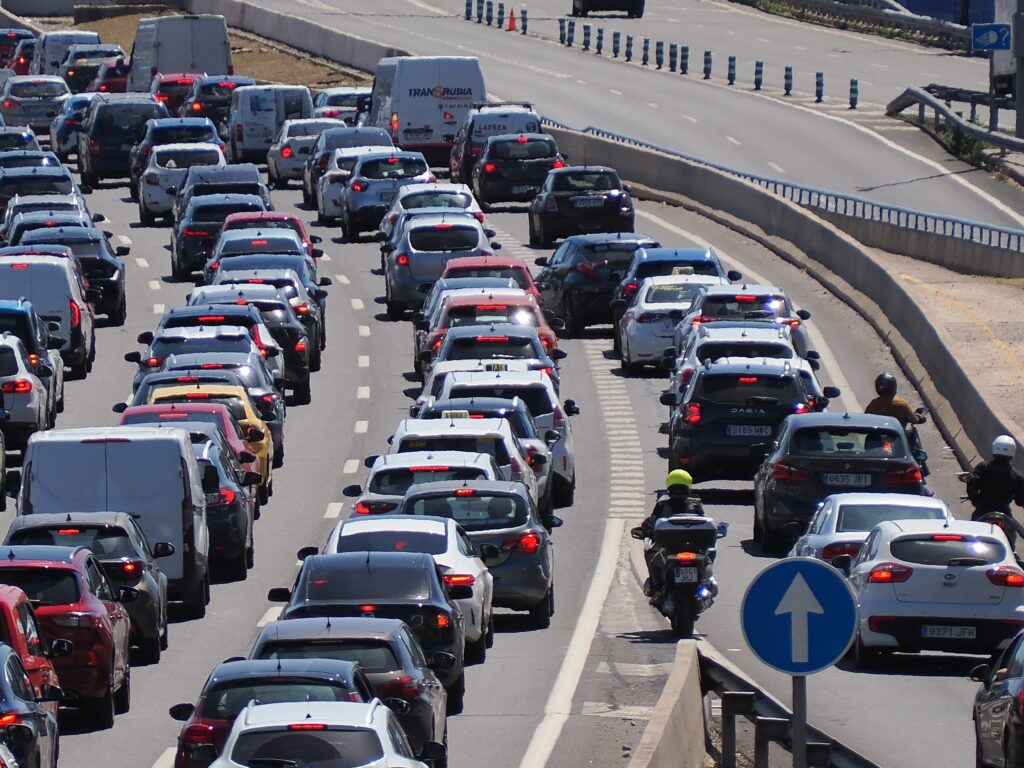
The DGT will deploy a range of operational measures throughout the “operación salida” and return phases. Photo credit:Juan Jesus Ruiz Toscano/Shutterstock
Spain’s road network is expected to come under significant pressure as of today April 30 as the Dirección General de Tráfico (DGT) activates its special holiday traffic system for the May bank holiday period. The operation is expected to involve more than 6.04 million long-distance journeys across the country between Thursday afternoon and Sunday night.
The system in place is part of the DGT’s wider ”Special traffic operations”, which are used during major holiday periods to manage large-scale movements on the road network. The first departure phase, known as “operación salida”, refers specifically to the mass departure from cities and urban areas. In this case, it begins at 03:00 pm on Thursday April 30 and marks the start of the busiest outbound travel period.
The operation will continue until midnight on Sunday May 3, when the return phase concludes. Throughout this period, the DGT will deploy increased monitoring and traffic control resources across the national motorway network.
Departure Phase and Outbound Congestion
The highest concentration of traffic is expected during the “operación salida” period on Thursday afternoon and evening. The DGT identifies the most intense outbound window as running from 03:00 pm to 11:00 pm on Thursday April 30, when large numbers of motorists leave major cities.
Pressure is expected on radial routes from Madrid, including the A-1, A-3, A-4, A-5 and A-6 motorways. These corridors connect the capital with northern, eastern, southern and western regions and typically carry the highest volume of holiday traffic. Additional movement is expected on Friday May 1 between 08:00 am and 02:00 pm, although this period is generally less concentrated than Thursday evening. Travel during this window is linked to shorter journeys and delayed departures following the public holiday.
Regional Traffic Distribution
In Cataluña, congestion is expected on the AP-7 motorway, particularly in sections leading towards coastal destinations such as the Costa Brava and Tarragona. In the Valencian Community, the AP-7 and A-7 are likely to experience heavy traffic towards Alicante and Castellón.
Andalucía is expected to see increased vehicle flow on the A-4 towards Córdoba and Sevilla, alongside the A-49 towards Huelva. In Galicia, the AP-9 is likely to carry heavier volumes, especially on routes towards coastal areas. These routes combine long-distance travel with regional holiday movement, contributing to slower average speeds during peak periods.
Return Journeys and Sunday Congestion
The return phase is expected to generate sustained traffic pressure on Sunday May 3. The busiest period is forecast between 04:00 pm and 11:00 pm, when travellers begin returning from short breaks and extended weekends.
Motorways leading into major urban areas such as Madrid and Barcelona are likely to experience congestion as holiday traffic merges with regular Sunday evening movement. Entry routes into cities are expected to be particularly affected during this period. Earlier in the day, between approximately 10:00 am and 04:00 pm, moderate congestion is also expected on inland routes as some motorists return before the peak period.
Traffic Management Measures
The DGT will deploy a range of operational measures throughout the “operación salida” and return phases. These include enhanced monitoring from traffic control centres, increased roadside enforcement by the Guardia Civil, and the use of helicopters, drones and variable message signage across major routes.
Temporary traffic management systems such as reversible lanes and additional carriageway capacity may be activated where necessary to improve flow. Drivers are being advised to plan journeys in advance and avoid peak departure and return windows where possible.
Standard road safety enforcement will also be reinforced, with particular attention to speed compliance, seatbelt use and driver distraction.
Conclusion
With more than six million journeys expected over four days, Spain’s road network is set to experience sustained pressure during the May bank holiday period. The most significant disruption is anticipated during the “operación salida” on Thursday evening and the return phase on Sunday evening, particularly around major cities and key motorway corridors.
The DGT operation will remain in place until the end of Sunday May3. with traffic conditions expected to vary significantly depending on timing, route selection and regional demand.
Sign up for personalised news
Subscribe to our Euro Weekly News alerts to get the latest stories into your inbox!
By signing up, you will create a Euro Weekly News account if you don't already have one. Review our Privacy Policy for more information about our privacy practices.





Molly Grace
Molly is a British journalist and author who has lived in Spain for over 25 years. With a background in animal welfare, equestrian science, and veterinary nursing, she brings curiosity, humour, and a sharp investigative eye to her work. At Euro Weekly News, Molly explores the intersections of nature, culture, and community - drawing on her deep local knowledge and passion for stories that reflect life in Spain from the ground up.
Comments