Total metal detector ban enforced on all Andalucian beaches as heavy fines hit users
By Adam Woodward • Published: 17 Apr 2026 • 15:03 • 2 minutes read
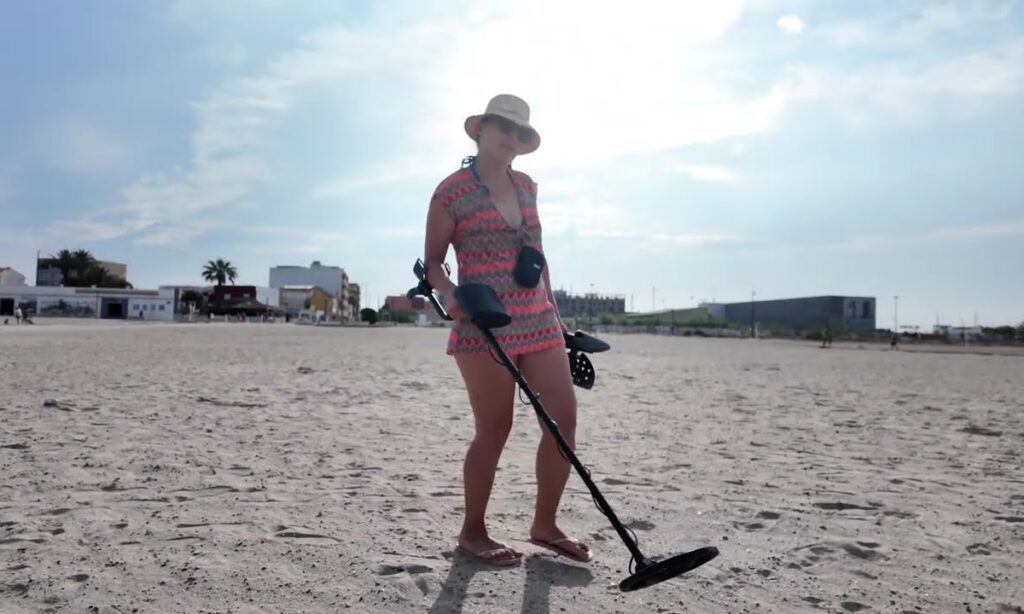
Metal detecting on the beach considered a serious offence. Credit: Treasure Beach Agent - YouTube
One much-loved hobby imported from elsewhere, most likely from Britain, is that of combing the beaches for hidden treasure with metal detectors. Every year, scores of treasure hunter hobbyists scour the coasts in hope of discovering exciting metallic finds from washed-up ancient coins to maybe even a World War One military relic. Compensation for a day of no such finds might come in the form of uncovering lost modern euro coins or even a misplaced watch.
However, the Guardia Civil in Andalucia now treat metal detector use on beaches and riverbanks as a serious offence under heritage laws. Regional police stations are now enforcing a general prohibition to safeguard potential buried artefacts from casual hobbyists searching for money or lost valuables.
Why the crackdown on detector fans
This policy comes directly from the Andalucian Historical Heritage Law, which bans metal detectors except for approved archaeological digs, national defence work or essential infrastructure repairs. Experts rank these devices as the second biggest danger to archaeological sites, even more so than major construction projects in many cases.
Recent fines issued in Almeria province
Officials opened three new criminal files in 2025 for unauthorised detector activity in sensitive coastal and riverside zones. Proposed court penalties range from a whopping €300 to €650. One case concerns activity at the Almanzora river mouth on October 28, another at Torregarcia beach near ancient Roman salting pools and a defensive tower, and a third at La Mena beach in Mojacar on September 17. All locations feature rich archaeological remains, raising concerns about possible looting.
A four-year record shows consistent enforcement
Between 2020 and 2024, authorities processed 13 similar cases and collected €6,340 in fines. Individual amounts varied from €60 to €3,000, with many offenders benefiting from a 40 per cent reduction for early payment. Current actions build on this pattern and suggest heightened vigilance.
Legal framework and limited exceptions
The regulation tightened last year, outlawing recreational detector use outright. Permitted scenarios remain narrow. State defence bodies, police forces handling security matters, and authorised utility companies repairing electricity, water, gas or telecom lines may operate detectors under strict supervision. Mining firms also qualify if they hold specific licences, but only for operational needs rather than artefact hunting.
Rules for accidental discoveries
Anyone who chances upon an object that could be of either historic value or personal value to someone must report it straight away to the proper authorities. No compensation or reward exists for such finds. Items with historical or archaeological value automatically become state property and move to museums or dedicated cultural institutions for proper care.
Penalties reflect location sensitivity
Fines start at €650 for standard beach or river incidents but can climb sharply to between €100,000 and €250,000 where damage affects confirmed archaeological deposits. Enforcement focuses on high-risk areas to prevent irreversible loss of heritage.
In one episode, authorities fined a young man identified only as V.V.G. with a €120,000 fine after Guardia Civil officers caught him using a metal detector near the Alcazaba de Purchena, a protected historical fortress. The case involved a suspected search for valuable objects on a classified heritage site, which led to the maximum penalty bracket under heritage law.
This approach hopes to preserve Andalucia’s rich past for future generations while clarifying boundaries for beachgoers and hobbyists.
Sign up for personalised news
Subscribe to our Euro Weekly News alerts to get the latest stories into your inbox!
By signing up, you will create a Euro Weekly News account if you don't already have one. Review our Privacy Policy for more information about our privacy practices.





Adam Woodward
Adam is a writer who has lived in Spain for over 25 years. With a background in English teaching and a passion for music, food, and the arts, he brings a rich personal perspective to his work at Euro Weekly News. As a father of three with deep roots in Spanish life, Adam writes engaging stories that explore culture, lifestyle, and the everyday experiences that shape communities across Spain.
Comments