Italian authorities investigate mass poisoning after 10 wolves found dead
By Molly Grace • Published: 18 Apr 2026 • 22:22 • 3 minutes read
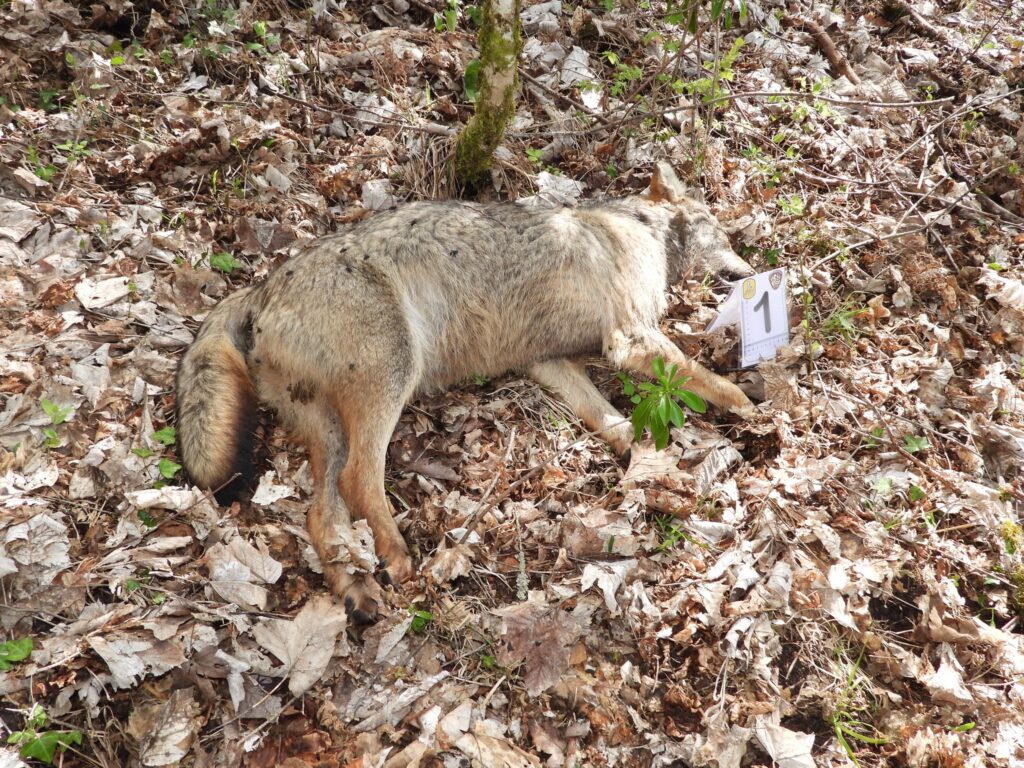
Five wolf bodies were discovered in the municipality of Alfedena. Photo credit: Parco Nazionale d'Abruzzo Lazio e Molise on Facebook
Italian authorities are seeking those responsible for a suspected mass poisoning that has killed at least 10 wolves in central Italy over recent days. The case is centred on the National Park of Abruzzo, Lazio and Molise, one of Italy’s best known protected natural areas and an important habitat for wolves, bears and other wildlife. According to reports published on April 18, the animals were found dead in separate locations within the park area, prompting a criminal investigation.
Initial findings indicate poisoning is the suspected cause of death. Investigators are now working to identify the substance used and establish who was responsible.
Where the animals were found
Five wolf carcasses were discovered in the municipality of Alfedena, in the Abruzzo region. Reports state that evidence consistent with poisoned bait was also found nearby, strengthening suspicions that the animals were deliberately targeted. A further five wolves were later found near Pescasseroli, another town within the park area known as a gateway to mountain tourism and wildlife areas.
The deaths took place over a short period, raising concern among conservation groups and local authorities about the scale of the incident. The National Park of Abruzzo, Lazio and Molise spans parts of three Italian regions and has long played a central role in the conservation of the Apennine wolf, a protected population native to Italy.
Prosecutors open investigation
The case has been referred to the prosecutor’s office in Sulmona. Italian judicial authorities are expected to oversee forensic analysis and determine whether criminal charges can be brought once evidence is gathered. Local chief prosecutor Luciano D’Angelo said investigators were examining what poison may have been used. He also underlined the symbolic importance of wolves and bears to the region.
The use of poisoned bait is illegal in Italy and can affect far more than the intended target. Substances left in rural or forested areas may be consumed by scavengers, birds of prey, domestic animals or other protected species. Because of that wider risk, wildlife poisoning cases are often treated as serious environmental offences.
Reaction from conservation groups
WWF Italy described the case as one of the most serious crimes against wildlife seen in the country in the past decade. Conservation organisations have long warned that illegal poisoning remains a threat in some rural areas, despite stronger environmental protections and growing public support for biodiversity measures.
Wolves can become the focus of conflict where they are perceived as a threat to livestock or hunting interests. However, attacks on protected species are punishable under Italian law, and authorities have increased monitoring in several regions in recent years. Environmental groups are expected to press for a swift investigation and stronger prevention measures following the latest deaths.
Why wolves matter to the ecosystem
Wolves play an important ecological role as apex predators. By regulating prey populations and influencing animal behaviour, they help maintain balance within mountain and forest ecosystems. Italy’s wolf population has recovered in recent decades after historic decline, supported by legal protection, habitat recovery and conservation work. Even so, illegal killings, road collisions and habitat pressures continue to present risks.
The loss of 10 animals in a short period is significant, particularly within a protected area established to preserve vulnerable wildlife.
What happens next
Investigators will now focus on toxicology tests, evidence collection and tracing the source of any bait or poison used. Authorities may also review whether other animals in the area were exposed. For local communities, the case has renewed attention on the tension that can arise between wildlife protection and rural land use. For conservationists, it is a reminder that legal safeguards alone do not always prevent offences.
The outcome of the inquiry will determine whether those responsible can be identified and prosecuted. In the meantime, the deaths of 10 wolves inside one of Italy’s most important national parks have prompted national concern and renewed calls for stronger enforcement against wildlife crime.
Sign up for personalised news
Subscribe to our Euro Weekly News alerts to get the latest stories into your inbox!
By signing up, you will create a Euro Weekly News account if you don't already have one. Review our Privacy Policy for more information about our privacy practices.





Molly Grace
Molly is a British journalist and author who has lived in Spain for over 25 years. With a background in animal welfare, equestrian science, and veterinary nursing, she brings curiosity, humour, and a sharp investigative eye to her work. At Euro Weekly News, Molly explores the intersections of nature, culture, and community - drawing on her deep local knowledge and passion for stories that reflect life in Spain from the ground up.
Comments