Brussels issues urgent update after fears flights to Spain could be cancelled over fuel shortage
By Farah Mokrani • Published: 18 Apr 2026 • 19:49 • 3 minutes read
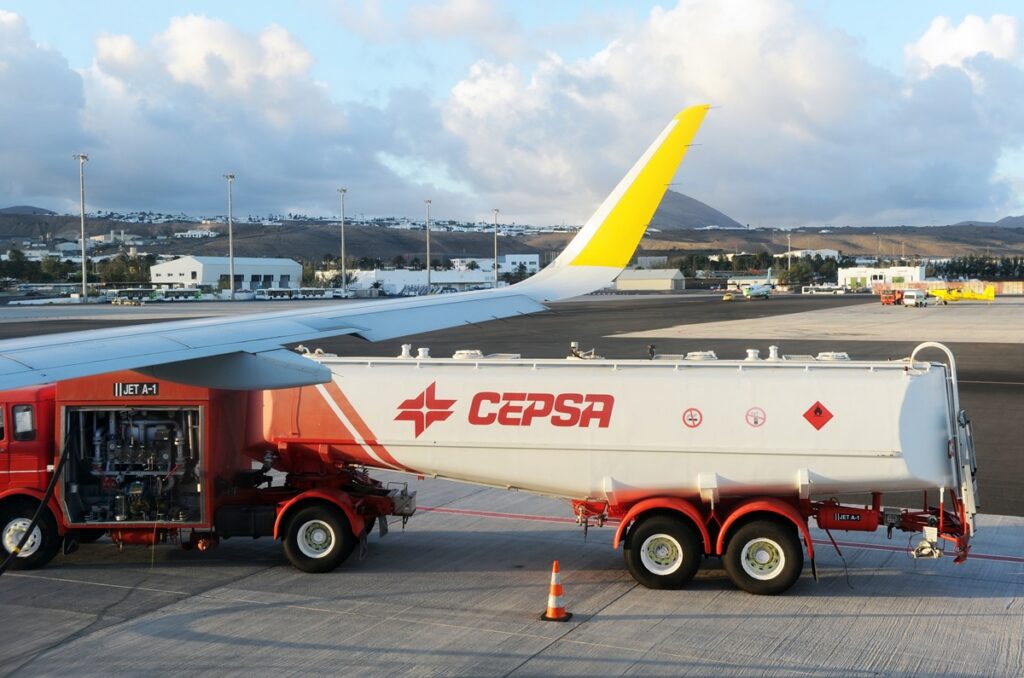
Jet fuel supply fears raise questions over flights to Spain and Europe Credit : joserpizarro, Shutterstock
Anyone flying to Spain or elsewhere in Europe in the coming weeks may have seen worrying headlines about possible flight cancellations linked to fuel shortages. Brussels has now moved to calm those fears, saying there is no immediate risk of widespread cancellations caused by a lack of aviation fuel. The European Commission says it is monitoring the situation closely, but for now passengers are not facing a sudden shutdown of routes.
That reassurance will matter to millions of travellers preparing for spring getaways and early summer holidays.
After years of strikes, delays and disruption, many passengers are quick to worry when a new travel problem appears.
Why fuel concerns suddenly hit the travel agenda
Most travellers never think about jet fuel until it becomes a threat to their journey.
But recent comments from the airline industry changed that. Aviation groups warned that if supply pressures worsen, some routes in Europe could eventually be affected later in the season.
That was enough to trigger concern among passengers already booking flights or watching prices rise. The wider issue comes from uncertainty in global energy markets and ongoing tensions affecting supply chains.
Europe produces much of the fuel it uses through refineries, but not all of it. Imports still play an important role.
When international markets become unstable, airlines start looking closely at costs, deliveries and future availability. That does not automatically mean cancellations are coming, but it does explain why the industry raised the alarm.
What Brussels is saying now
The European Commission has tried to steady nerves.
Officials say they currently see no sign of a systemic shortage that would lead to mass cancellations across Europe.
They have also said they remain in contact with the aviation sector and international energy bodies while continuing to track developments.
That matters because Europe is entering one of the busiest travel periods of the year.
Airports in Spain, Portugal, Greece, Italy and France are preparing for millions of passengers over the next few months. If there were an urgent supply problem, authorities would be under pressure quickly.
For now, Brussels says that is not the case.
Why Spain travellers are watching closely
Spain depends heavily on air travel.
From the Balearics and Canary Islands to Costa del Sol, Alicante, Barcelona and Madrid, huge numbers of visitors arrive by plane and British tourists alone make up one of the largest visitor groups.
That means any disruption to flights would be felt rapidly in hotels, airports, car hire desks and holiday resorts.
It also means travellers are especially sensitive to any headline mentioning cancelled routes.
Many people still remember airport chaos caused by strikes, staff shortages and technical failures in recent years.
So when fuel concerns appear, passengers naturally wonder if another difficult summer is coming.
At the moment, there is no official evidence of that.
How Europe protects itself
One reason Brussels sounds relatively calm is that Europe does not rely only on daily fuel deliveries.
EU countries are required to hold strategic oil reserves that can help if supply is disrupted.
Commercial fuel stocks also exist, while refineries continue producing large volumes across the region.
That creates breathing space if markets become tense.
It does not mean prices cannot rise or that local pressure points are impossible, but it reduces the chance of an immediate continent wide shortage.
In simple terms, Europe has buffers in place.
Could flights still be affected later?
No one can promise there will be zero problems in future.
If global tensions worsen, shipping routes are disrupted or refinery issues emerge, airlines may face higher costs or tighter supply.
That could affect fares, schedules or some less profitable routes later on.
But that is very different from saying your booked holiday flight is about to be cancelled now.
At this stage, Brussels is speaking about the present situation, and the present message is reassuring.
What passengers should do now
If you are flying soon, there is no clear reason to panic or change plans because of fuel headlines alone.
Check updates directly with your airline.
Keep an eye on emails or app notifications.
If you are still booking, compare prices early, as fuel concerns can influence fares even when flights continue normally.
Travel insurance and flexible booking options can also offer peace of mind.
Most importantly, avoid assuming rumours equal reality.
Why this matters
Travellers have become used to uncertainty. One warning can spread online in minutes and create the impression that chaos is already happening.
Right now, however, Europe’s message is calmer than the headlines.
Fuel supplies are being watched closely, airlines want contingency plans, and flights continue as normal.
For anyone heading to Spain soon, the airport queue may still test your patience.
But for now, fuel shortages are not the reason.
Follow Euro Weekly News on Google News
Get breaking news from Spain, travel updates, and expat stories directly on your Google News feed.
Follow on Google NewsSign up for personalised news
Subscribe to our Euro Weekly News alerts to get the latest stories into your inbox!
By signing up, you will create a Euro Weekly News account if you don't already have one. Review our Privacy Policy for more information about our privacy practices.



Farah Mokrani
Farah is a journalist and content writer with over a decade of experience in both digital and print media. Originally from Tunisia and now based in Spain, she has covered current affairs, investigative reports, and long-form features for a range of international publications. At Euro Weekly News, Farah brings a global perspective to her reporting, contributing news and analysis informed by her editorial background and passion for clear, accurate storytelling.
Comments