Plane too heavy to take off: EasyJet passengers shocked by call to get off plane
By Adam Woodward • Updated: 18 Apr 2026 • 12:47 • 2 minutes read
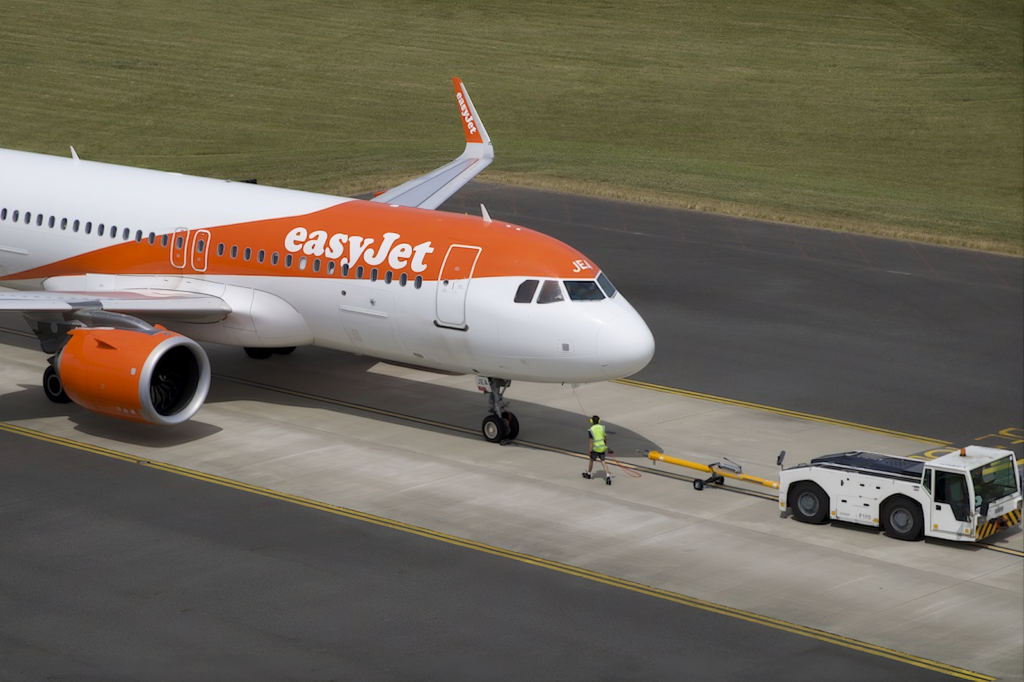
EasyJet plane at Southend Airport. Credit: Southend Airport
While it is true that holiday makers tend to cram as much into their cases as possible these days, passengers aboard an easyJet flight from Southend to Malaga reacted with disbelief when the captain announced the aircraft could not take off safely unless six people got off voluntarily.
Surprise announcement shocks cabin
As reported by Your Southend on their Facebook page, Kelly Wayland, a 45-year-old independent travel agent about to fly with family members, including her disabled father, heard the pilot explain the situation directly. She initially believed the message was a joke. Options presented included removing six passengers, unloading all luggage, or cancelling departure entirely. Factors such as weather conditions and the relatively short runway at Southend Airport contributed to the weight limit being exceeded on the Airbus A319.
Within roughly 10 minutes, five passengers stepped forward and agreed to disembark. Fellow travellers offered a round of applause as those individuals exited the aircraft.
Volunteers receive alternative arrangements
EasyJet arranged free transport for the five volunteers from Essex to South London’s Gatwick, where seats awaited them on a later service to Malaga. Compensation followed standard UK Civil Aviation Authority guidelines for such disruptions on medium-haul routes.
Carly Mowbray, another passenger on flight EJU27008, described the moment over the tannoy. Crew members outlined three clear choices: six people get off, luggage stays behind, or the plane remains grounded. She said the flight already had around 10 empty seats before the volunteers left. Departure finally took place only slightly behind the scheduled 8.40am time on Saturday, April 11, with records showing wheels up at 8.59am for a reported 12-minute delay overall.
Why weight limits matter at smaller airports
Aircraft performance calculations account for variables including temperature, wind, air pressure, runway length, fuel, passengers and baggage. Southend Airport operates with a much shorter runway than major London airports, making these restrictions more noticeable on full flights during certain conditions. Airlines rely on average passenger weights rather than individual measurements, which can occasionally lead to last-minute adjustments for safety.
An Airbus A319 has a maximum take-off weight of 75.5 tonnes. European Union Aviation Safety Agency data from 2022 indicates an average passenger weight, including hand luggage, of 84 kg.
Incidents of this nature remain uncommon yet have occurred before on the same Southend to Malaga route, including a comparable case in 2014. EasyJet stressed that passenger and crew safety always comes first, with weight restrictions forming a standard part of aviation procedures across all carriers.
Local accounts from another passenger, Paul Baker, highlighted how shorter runways at airports like Southend can amplify these challenges with fully loaded aircraft. Most passengers continued their journey with only a brief delay, turning what began as an unusual start into a memorable story of quick resolution and good humour from those on board.
Sign up for personalised news
Subscribe to our Euro Weekly News alerts to get the latest stories into your inbox!
By signing up, you will create a Euro Weekly News account if you don't already have one. Review our Privacy Policy for more information about our privacy practices.




Adam Woodward
Adam is a writer who has lived in Spain for over 25 years. With a background in English teaching and a passion for music, food, and the arts, he brings a rich personal perspective to his work at Euro Weekly News. As a father of three with deep roots in Spanish life, Adam writes engaging stories that explore culture, lifestyle, and the everyday experiences that shape communities across Spain.
Comments