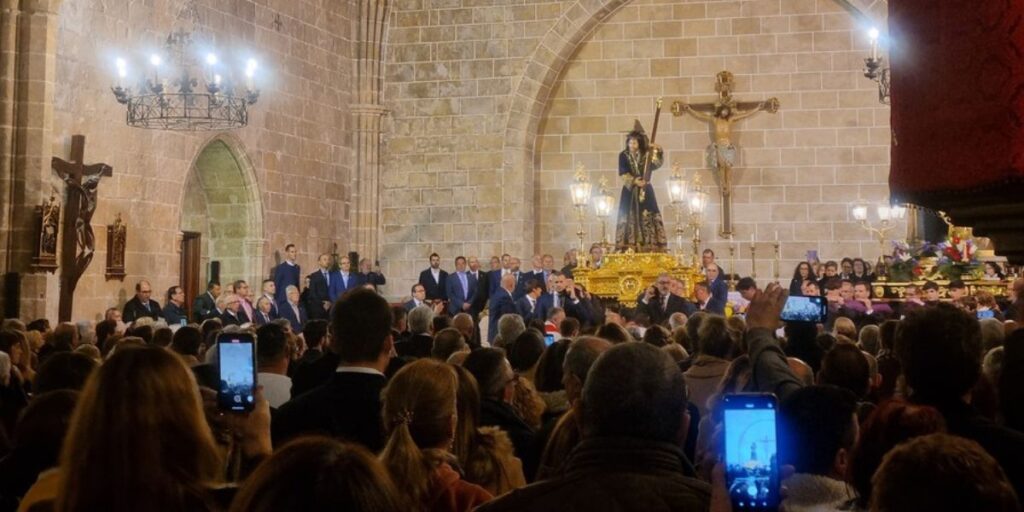
Every spring, the historic streets of Jávea come alive with one of the Costa Blanca’s most atmospheric celebrations: the Fiestas in honour of Jesús Nazareno. Running from Wednesday April 23 to May 10, this centuries-old tradition blends religion, culture and full-scale fiesta energy and the 2026 programme is packed with everything from fireworks to live music and street parties.
Held in the heart of the old town, the festival celebrates Jesús Nazareno, a figure deeply rooted in local identity. Over more than a week, locals and visitors gather to experience a unique mix of devotion and celebration that defines spring on the Costa Blanca.
The fiesta that transforms Jávea each spring
From the moment preparations begin, the atmosphere shifts. Streets are decorated, stages appear, and the old town becomes the focal point of daily life. Official festivities run until early May, with a packed calendar of concerts, cultural events, traditional activities and religious ceremonies.
At its core, this is a festival of contrasts. One moment you’ll witness a quiet, traditional procession; the next, you’ll find yourself in the middle of a buzzing street party. It’s this duality that makes the celebration so compelling.
Opening weekend: bulls, music and late nights
The opening weekend launches with high energy. Traditional bous al carrer (bull events) draw crowds to specially enclosed streets, while live music and DJs take over the squares after dark.
This is when the festival feels at its most electric. Groups gather in the streets, bars spill out onto terraces, and the old town hums with activity well into the early hours. It’s social, lively and distinctly Mediterranean.
Family-friendly traditions and daytime events
Beyond the nightlife, the daytime programme offers a more relaxed and inclusive atmosphere. Events like the Día del Niño bring families into the heart of the celebration, with games, entertainment and activities designed for younger visitors.
Food also plays a central role. Communal meals, particularly large-scale paellas, bring people together in a way that feels both informal and deeply traditional. Add in sports events, performances and cultural activities, and there’s a steady rhythm to each day.
The heart of the fiesta: flowers, faith and tradition
As the festival progresses, its symbolic elements come into focus. The famous flower crosses transform the old town into a vibrant display of colour, with neighbourhoods competing to create the most elaborate designs.
The flower offering is another standout moment, where locals dress traditionally and participate in a collective act of devotion. These quieter, more meaningful events highlight the deep-rooted community spirit behind the celebrations.
Fireworks, mascletàs and unforgettable nights
No Valencian fiesta would be complete without fireworks – and Jávea delivers. Loud, rhythmic mascletàs take place during the day, while the nights build towards spectacular firework displays.
These moments bring everyone together. Streets fill, conversations pause, and all attention turns skyward as the show unfolds. It’s one of the most memorable aspects of the entire festival.
The grand finale: procession and celebration
In the final days, the focus shifts back to tradition. Religious ceremonies and processions honour Jesús Nazareno, culminating in a powerful closing night.
The final fireworks mark the end of the celebrations, as the town gradually returns to its usual pace — until the following spring.
Getting there
Jávea is located on the northern Costa Blanca, easily accessible from two major airports:
- Alicante Airport – around 1 hour 15 minutes by car
- Valencia Airport – approximately 1 hour 30 minutes
The easiest way to reach Jávea is by car, especially during festival time when events are spread across the old town and surrounding areas. Parking can be limited, so arriving early or staying within walking distance is ideal.
There’s no direct train station in Jávea, but nearby towns like Dénia are connected by regional transport.
FAQs
When is the best time to visit during the festival?
Opening weekend is the liveliest, but the final days offer the most traditional atmosphere.
Is it suitable for families?
Yes – daytime events are very family-friendly, while evenings are more geared towards adults.
Do you need tickets?
Most events are free and open to the public, including concerts and fireworks.
What should you wear?
Comfortable shoes are essential: you’ll be walking a lot on cobbled streets. Evenings can still feel cool, so bring a light jacket.
Is it crowded?
Yes, particularly on weekends and during major events. Staying nearby helps you enjoy it without the stress of travelling in and out.
Why this festival is worth planning around
The Fiestas of Jesús Nazareno aren’t just another event – they’re a full cultural experience. Whether you’re there for the music, the traditions or simply the atmosphere, it’s one of the most authentic and memorable ways to experience the Costa Blanca in spring.


Lottie Verrier
Lottie Verrier is a journalist and digital media specialist based in Mallorca. After a decade in London media, including a role as Deputy Editor for the MailOnline’s eCommerce division, she now combines her editorial expertise with a passion for the island to create engaging content that celebrates the best of life in Spain. Instagram @lottieinmallorca
Comments