Petrol price alert: Why Spain’s fuel costs could jump another 10 cents this week
By Dora Urbancsek • Published: 20 Apr 2026 • 12:22 • 2 minutes read
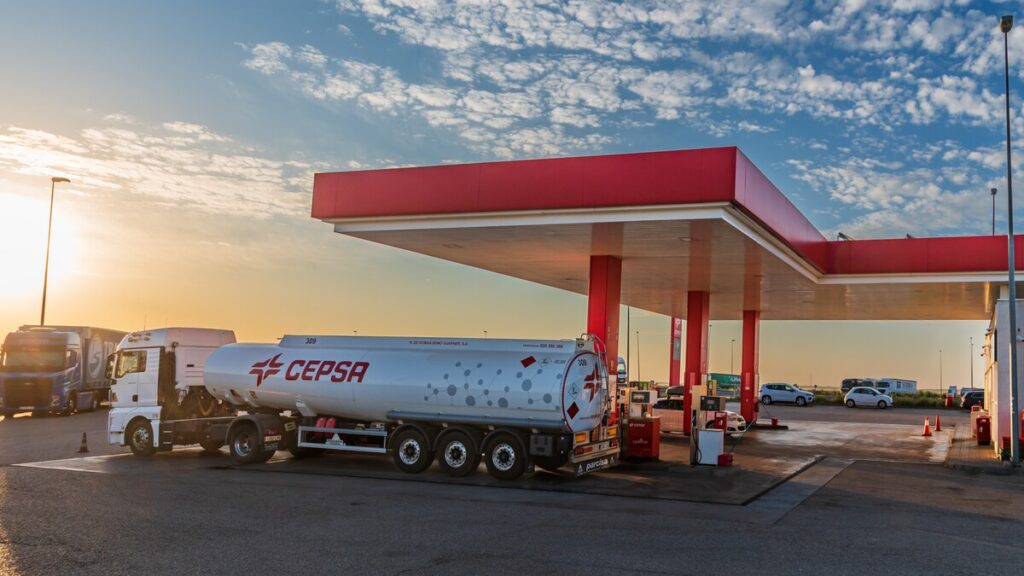
Rising oil prices could soon translate into higher fuel costs across Spain Credit: Shutterstock/Miguel Perfectti
As of Monday, April 20, 2026, Brent crude is trading near $100 per barrel, triggered by the military blockade of the Strait of Hormuz. In Spain, the IBEX 35 has dropped below 17,400 points as airlines like IAG and transport firms face soaring fuel costs. For the international and local community, the immediate consequence is a predicted 8 to 10 cent per liter hike at petrol stations, pushing average diesel prices toward €1.95.
The Minister of Economy, Carlos Cuerpo, confirmed today that the government is “monitoring” the situation to prevent speculative price gouging. CaixaBank Research has cautioned that rising oil prices remain a key upside risk for inflation in Spain if energy costs stay elevated.
A fresh spike in an already unstable market
Crude oil prices rose again as concerns intensified around supply routes in the Middle East, particularly the strategic Strait of Hormuz. Any disruption in this corridor can have an outsized effect on global supply, which is why markets tend to react quickly to even the possibility of conflict escalation.
For Spain, the impact is indirect but significant. As a net importer of energy, higher oil prices typically translate into increased fuel costs, transport expenses and, over time, broader inflationary pressure.
Why Spain’s stock market reacted immediately
The IBEX 35 fell around 1.2 per cent at the opening, reflecting investor caution as energy costs climbed. Rising oil prices tend to weigh on sectors sensitive to fuel and logistics, including transport, tourism and manufacturing. At the same time, uncertainty linked to geopolitical tensions often leads investors to pull back from equities, at least in the short term, contributing to downward pressure on markets.
Not a new crisis, but a new escalation
While Monday’s movements are sharp, they form part of a broader pattern. Oil prices have already seen multiple swings in recent weeks as diplomatic efforts between the US and Iran have stalled, raising concerns about supply stability.
Institutions such as the International Energy Agency have repeatedly warned that geopolitical tensions remain one of the key drivers of short-term price volatility in global energy markets. This means that today’s spike should be seen less as a one-off shock and more as another step in an ongoing period of instability.
What it could mean for households in Spain
If elevated prices persist, the effects could start to filter into daily life. Fuel prices at the pump are usually the first to respond, followed by increased costs in goods and services that depend on transport. For households already dealing with higher living costs, another sustained rise in energy prices could add further pressure, particularly heading into the summer travel season when demand typically increases.
A situation still unfolding
For now, markets are reacting to uncertainty rather than confirmed supply disruptions. However, the speed of Monday’s movement highlights how sensitive global energy systems remain to geopolitical developments. As tensions continue to evolve, further volatility in both oil prices and stock markets is likely, leaving Spain’s economy exposed to forces largely beyond its control.
Sign up for personalised news
Subscribe to our Euro Weekly News alerts to get the latest stories into your inbox!
By signing up, you will create a Euro Weekly News account if you don't already have one. Review our Privacy Policy for more information about our privacy practices.





Dora Urbancsek
Dora Urbancsek is an SEO writer with over eight years of experience producing high-quality, search-optimised journalism and digital content. Based in Spain for more than five years, she covers a wide range of topics concerning Spain and Europe, including current affairs, community stories, culture, and lifestyle. Dora is known for accurate, well-researched reporting that keeps readers informed and engaged.
Comments