Which airlines you should not fly with in 2026, according to EU
By Molly Grace • Updated: 20 Apr 2026 • 14:08 • 3 minutes read
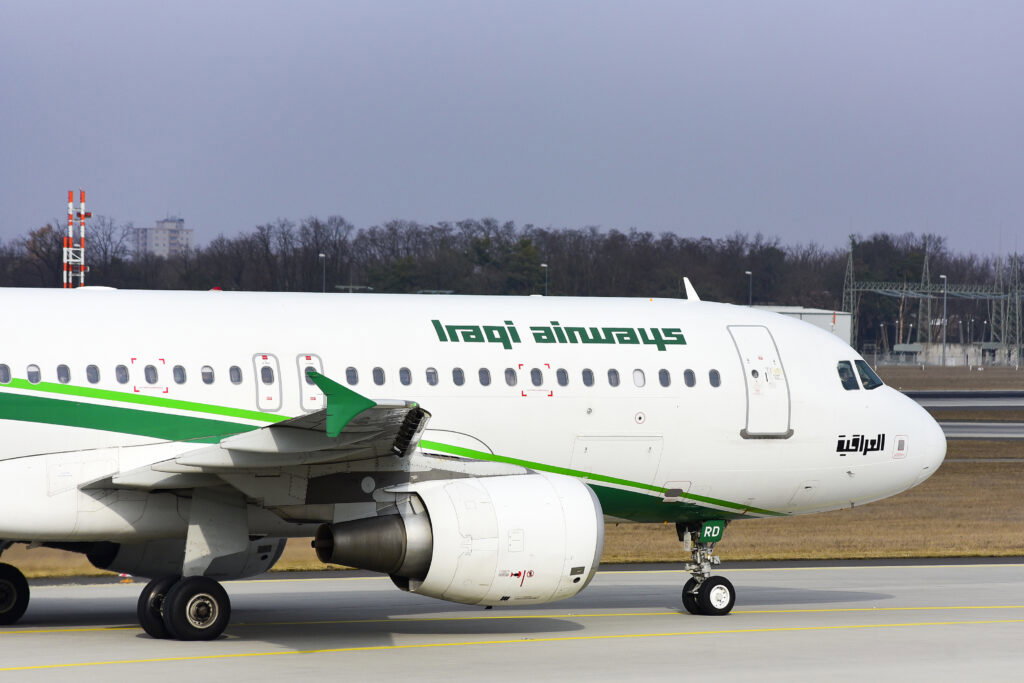
A small number of airlines are subject to partial rather than complete restrictions. Photo credit: Vytautas Kielaitis/Shutterstock
The European Union continues to enforce its aviation safety framework by restricting or banning airlines that fail to meet internationally recognised safety standards from operating within its airspace. The system is designed to protect passengers travelling to and from EU member states and to ensure that foreign operators comply with global aviation regulations.
The mechanism is reviewed regularly by the European Commission in cooperation with the European Union Aviation Safety Agency (EASA). Decisions are based on technical assessments of airline safety performance and the regulatory capacity of national aviation authorities in non-EU countries.
The outcome of these assessments is published in what is known as the EU Air Safety List, a document that identifies carriers considered unsafe for operation within European airspace.
How the safety list is structured
The Air Safety List does not function as a travel advisory, but as a regulatory enforcement measure. Airlines included are either fully banned or subject to operational restrictions depending on the severity of identified safety concerns.
In some cases, entire countries are affected. This occurs when aviation regulators in those states are deemed unable to maintain adequate oversight of their national carriers. When this happens, all airlines certified under that authority may be restricted from operating in the European Union.
In other cases, individual airlines are listed separately where specific operational deficiencies have been identified through audits or inspections.
Scale of current restrictions
The most recent update confirms that 169 airlines are currently subject to either full bans or restrictions affecting their ability to operate within EU airspace.
A significant portion of these restrictions applies to airlines certified in countries where aviation oversight is considered insufficient. These include several states across Africa, Asia, the Middle East and parts of South America.
Among the countries affected are Afghanistan, Angola, Armenia, the Democratic Republic of the Congo, Djibouti, Equatorial Guinea, Eritrea, Kyrgyzstan, Liberia, Libya, Nepal, Sierra Leone, Sudan, Suriname, Tanzania, and São Tomé and Príncipe.
In these cases, the restrictions apply broadly to all airlines operating under those national aviation authorities rather than to individual carriers alone.
Airlines directly listed
Alongside country-wide restrictions, several airlines are specifically named due to safety concerns identified during technical evaluation processes.
These include carriers such as:
- Air Zimbabwe
- Avior Airlines of Venezuela
- Iran Aseman Airlines
- Fly Baghdad
- and Iraqi Airways.
Each has been subject to review by European aviation authorities, which concluded that their operations did not meet required international safety standards.
In addition, a number of airlines registered in Russia remain under restriction, reflecting broader concerns regarding aviation oversight and compliance assessments conducted by European regulators.
Limited permissions for selected operators
A small number of airlines are subject to partial rather than complete restrictions. In these cases, certain aircraft types are permitted to operate within EU airspace under strict safety conditions.
Iran Air is allowed to operate only selected aircraft types that meet EU requirements, while Air Koryo of North Korea is similarly restricted to a limited number of aircraft approved for use.
All other aircraft operated by these airlines are prohibited from entering EU airspace. These partial measures allow limited connectivity while maintaining regulatory safety controls.
How decisions are made
Inclusion on the Air Safety List is based on detailed assessments carried out by EASA and reviewed by the European Commission. These assessments consider aircraft maintenance standards, operational history, and the effectiveness of national aviation regulators.
International safety audits, accident reports and compliance records are also taken into account. Where deficiencies are identified, authorities are given the opportunity to implement corrective measures before a final decision is made.
Airlines may be removed from the list if sustained improvements in safety oversight are demonstrated.
Enforcement and impact
The Air Safety List is legally binding across all EU member states. Airlines included are not permitted to operate commercial flights to, from or within the European Union.
Enforcement is carried out at national level by aviation authorities within EU countries, ensuring uniform compliance across the bloc.
The list also has wider implications for global aviation, as many airlines seek access to European markets. In some cases, inclusion on the list has prompted reforms in national aviation regulatory systems outside the EU.
Continued monitoring and updates
The European Commission updates the Air Safety List several times each year following consultations with aviation experts and member state representatives.
Changes are made based on new safety data, audit findings and improvements in regulatory oversight. The system remains a central part of the EU’s aviation safety strategy, ensuring consistent standards for all airlines operating in or entering European airspace.
Sign up for personalised news
Subscribe to our Euro Weekly News alerts to get the latest stories into your inbox!
By signing up, you will create a Euro Weekly News account if you don't already have one. Review our Privacy Policy for more information about our privacy practices.


Molly Grace
Molly is a British journalist and author who has lived in Spain for over 25 years. With a background in animal welfare, equestrian science, and veterinary nursing, she brings curiosity, humour, and a sharp investigative eye to her work. At Euro Weekly News, Molly explores the intersections of nature, culture, and community - drawing on her deep local knowledge and passion for stories that reflect life in Spain from the ground up.
Comments