Japan earthquake triggers tsunami warnings as coastal evacuations begin
By Molly Grace • Published: 20 Apr 2026 • 13:30 • 3 minutes read
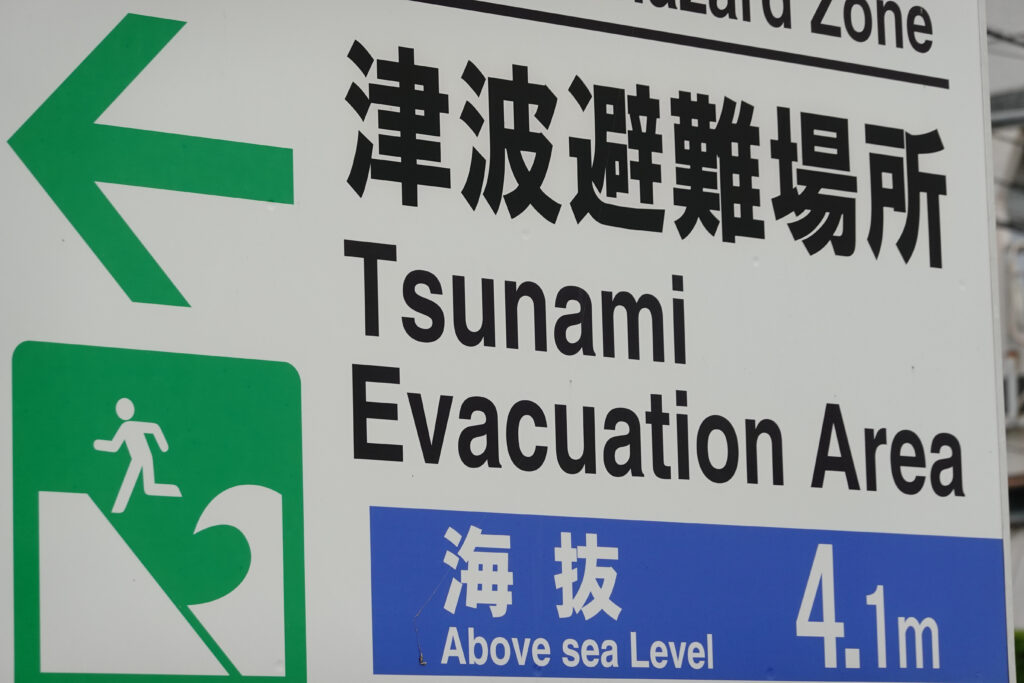
Authorities have directed maritime operators to relocate vessels offshore where possible. Photo credit: Kathy Matsunami/Shutterstock
A powerful earthquake measuring magnitude 7.5 struck this morning, Monday April 20, off the coast of central Japan, prompting tsunami warnings, evacuation orders and transport disruption across a wide stretch of the country.
According to the Japan Meteorological Agency (JMA), the earthquake occurred at 04.53pm local time (07.53am GMT) at a depth of 10 kilometres. The epicentre was located off the Sanriku coast in northern Japan. Initial estimates placed the quake at 7.4 before it was revised to 7.5. The tremor was felt across several regions, including Tokyo, where buildings were reported to have swayed.
Tsunami alert covers wide coastal area
The JMA issued tsunami warnings for coastal areas stretching from Hokkaido to Fukushima Prefecture. Officials warn that waves of up to three metres could reach parts of the coastline and urged residents to move immediately to higher ground or designated evacuation shelters.
Emergency messages have been broadcast across affected districts, advising people to remain away from beaches, ports and river mouths until the warning is formally lifted. Authorities also cautioned that the first wave is not always the largest and that further surges may follow.
Within the first hour after the earthquake, tsunami waves had already been detected. A wave measuring 80 centimetres was reported at Kuji port in Iwate Prefecture, while smaller waves have been observed elsewhere along the north-east coast.
Maritime evacuation begins across ports
Ships have begun moving away from ports across northern Japan following the earthquake and tsunami warnings. Television footage broadcast by local media, including TBS News, shows vessels departing harbours and heading into deeper waters as part of emergency procedures.
Authorities have directed maritime operators to relocate vessels offshore where possible, as harbours can intensify wave action and increase the risk of damage from debris and strong currents. Port activity has been disrupted as precautionary measures are carried out.
Authorities assess damage and monitor aftershocks
There are no immediate confirmed reports of deaths, injuries or significant structural damage, while assessments continue across affected regions. Officials say it remains too early to determine the full extent of any damage, particularly in coastal towns closest to the epicentre.
The JMA warns that aftershocks are likely to continue in the coming days, and that further strong seismic activity in the region cannot be ruled out. Residents in affected areas are being advised to remain alert and follow official instructions as monitoring continues.
Local authorities have issued evacuation advisories affecting more than 128,000 people across northern coastal communities. Emergency services, including police and fire units, have been deployed or placed on standby.
Nuclear facilities and transport systems checked
Nuclear operators report no abnormal radiation levels or immediate safety issues at facilities in the affected region. Public broadcaster NHK reports that precautionary inspections have been carried out following the earthquake.
Tokyo Electric Power Company (TEPCO) says no impact has been confirmed at its facilities, including Fukushima Daiichi and Fukushima Daini. However, workers have been evacuated from both plants while safety checks continue.
Rail operators have suspended sections of bullet train services, including key routes between Tokyo and northern Japan, while inspections are carried out. Some local rail services have also been halted as engineers assess infrastructure.
Government response and ongoing monitoring
Prime Minister Sanae Takaichi says the government has established an emergency response team to coordinate national efforts and provide support to affected regions. Authorities continue to gather information and issue updates as the situation develops.
Japan lies on the Pacific Ring of Fire, one of the most seismically active regions in the world, and experiences frequent earthquakes. Its infrastructure is designed to withstand strong tremors, though officials continue to stress that tsunami risk remains significant even when initial wave heights appear limited.
Situation remains under review
Officials continued to monitor sea levels and seismic activity throughout Monday as emergency teams remained deployed across affected coastal regions. Meteorologists said tsunami conditions can continue for several hours after the first wave arrives, with later surges sometimes stronger than the initial impact.
Residents in areas covered by the warning have been told not to return home until local authorities confirmed conditions were safe. Transport operators and utility companies also continued inspections in affected districts, while communities prepared for the possibility of further aftershocks.
Although no major casualties or widespread damage had been confirmed in the immediate aftermath, authorities said full assessments would take time, particularly in smaller coastal settlements nearest the epicentre. The JMA said it would continue issuing updates as new seismic data became available.
Follow Euro Weekly News on Google News
Get breaking news from Spain, travel updates, and expat stories directly on your Google News feed.
Follow on Google NewsSign up for personalised news
Subscribe to our Euro Weekly News alerts to get the latest stories into your inbox!
By signing up, you will create a Euro Weekly News account if you don't already have one. Review our Privacy Policy for more information about our privacy practices.





Molly Grace
Molly is a British journalist and author who has lived in Spain for over 25 years. With a background in animal welfare, equestrian science, and veterinary nursing, she brings curiosity, humour, and a sharp investigative eye to her work. At Euro Weekly News, Molly explores the intersections of nature, culture, and community - drawing on her deep local knowledge and passion for stories that reflect life in Spain from the ground up.
Comments