Guardia Civil €200 crackdown: Why your car boot is the only place for your bags
By Adam Woodward • Updated: 22 Apr 2026 • 10:02 • 2 minutes read
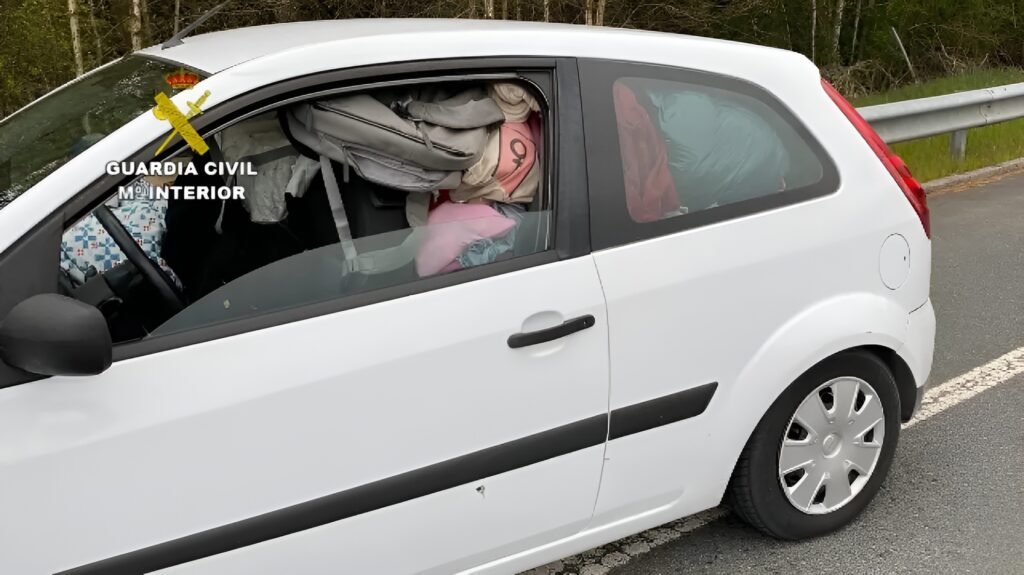
Madrid driver's car pulled over by the Guardia Civil. Credit: GC
Barely a day goes past without being reminded by the Spanish traffic authority (DGT) and the Guardia Civil of elements of your displacement on the roads that will draw attention to the authorities, either through roadside checks or from cannily positioned cameras on overhead road signs or drones. There are a certain number of typical red flags that provoke police vehicles to pull over a driver and, on occasion, hand out a €200 fine.
Being aware of them can maintain that money in our wallets, as well as being reminded of the potential dangers, we can become lax about and forget on regular daily journeys and driving large distances.
€200 fines await Spanish drivers treating cars like storage lockers
Drivers throughout Spain increasingly encounter traffic officers issuing fines for a routine action many perform without thinking twice. Shopping bags, backpacks or handbags left on seats rather than stowed away properly draw the attention of the Guardia Civil in Spain with fines reaching €200 each time and more.
Spanish traffic regulations classify this behaviour as a “serious offence” since loose items compromise safety in multiple ways by limiting freedom of movement and reducing overall visibility for those at the wheel.
Why loose objects are hazards behind the wheel
Items placed freely inside vehicles reduce driver mobility and block essential views while splitting focus from the task of driving safely during every journey. Typically spotted items by the Guardia Civil and local police include boxes, houseplants, shopping bags, luggage (especially on family holidays) and unrestrained pets.
Sudden stops or collisions send those objects flying forward in what experts term the ‘elephant effect‘. Speed transforms a modest six-kilogram shopping load into something weighing sixty kilograms upon impact with unfortunate occupants or structures inside the car.
Official advice on load management
DGT advice suggests everyone place bags and parcels in the boot whenever possible to keep everything contained safely. Cabin items require firm fastening via seatbelts or dedicated tie-down systems to prevent movement during normal travel or unexpected events. Nothing should occupy the rear shelf area, not even hats, since that placement risks blocking rear vision or launching projectiles in emergencies and causing further complications. It’s only a straw sun hat? €200 fine.
Other fines for loads placed incorrectly
Similar €200 fines apply when loads protrude from boots without adequate covers or safeguards against shifting or falling onto the road surface unexpectedly, or worse – cars travelling behind. Obscured lights, signals, devices or number plates lead to identical financial penalties under the same regulations because such issues create dangers for all road users nearby.
So, it’s €200. Is it worth the risk? The police officer has gone to the bother of pulling over a vehicle, so they will take advantage while they are there to check all other elements. Tyre tread, state of the mirrors, fog lights, documentation, and so on. Overlooking a small element of road safety in Spain can end up costing a driver a lot more than they ever bargained for.
Drivers who value both road safety and their wallets should keep in mind storage habits before setting off on journeys around Spain to avoid unnecessary and unexpected extra expenses. It seems the DGT budget for technology pays dividends in catching these everyday oversights with impressive efficiency and keeps everyone on their toes to long-standing rules that protect all road users from avoidable risks.
Sign up for personalised news
Subscribe to our Euro Weekly News alerts to get the latest stories into your inbox!
By signing up, you will create a Euro Weekly News account if you don't already have one. Review our Privacy Policy for more information about our privacy practices.




Adam Woodward
Adam is a writer who has lived in Spain for over 25 years. With a background in English teaching and a passion for music, food, and the arts, he brings a rich personal perspective to his work at Euro Weekly News. As a father of three with deep roots in Spanish life, Adam writes engaging stories that explore culture, lifestyle, and the everyday experiences that shape communities across Spain.
Comments