A new country could soon join the European Union
By Farah Mokrani • Published: 23 Apr 2026 • 8:12 • 3 minutes read
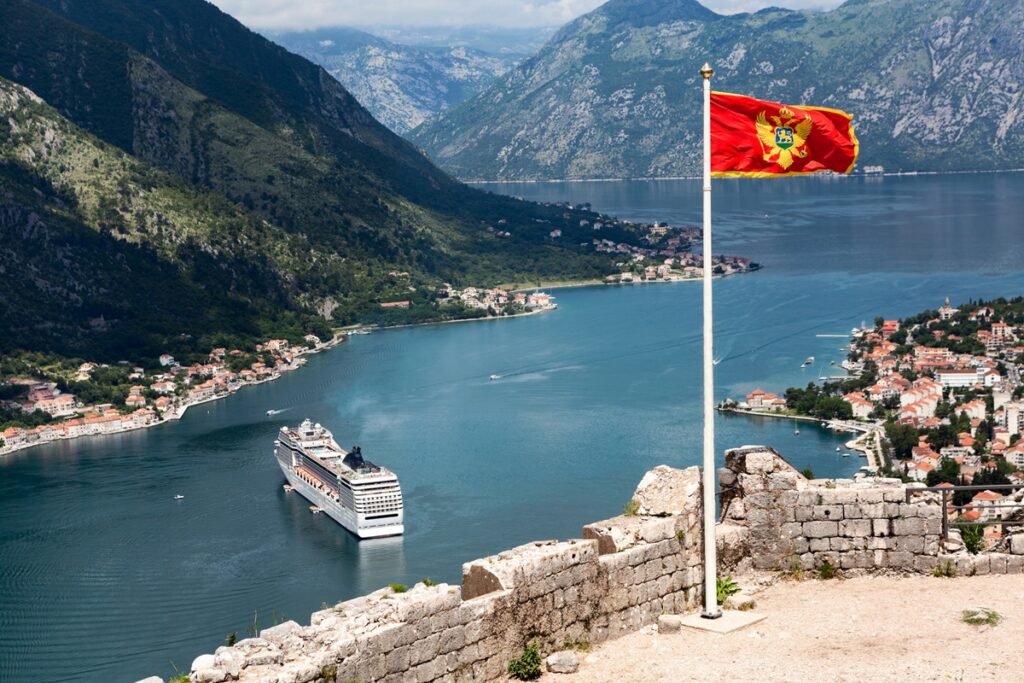
Montenegro moves closer to EU membership after key Brussels decision Credit : Kekyalyaynen, Shutterstock
Montenegro has moved closer to joining the European Union after EU member states agreed to begin preparing an accession treaty, one of the most important stages in the membership process. The decision was taken in Brussels by ambassadors from the bloc’s current countries and is being seen as a strong sign that Montenegro’s long wait to enter the EU is gaining real momentum.
For a country that has spent years working through negotiations and reforms, the move matters.
It does not mean membership happens immediately, but it does mean the conversation has moved beyond promises and into practical preparation.
Montenegro is already viewed as one of the leading candidates to become the next nation admitted to the EU, alongside Albania.
Why this latest step is important
Much of EU enlargement happens through meetings, documents and legal procedures.
That can make big progress easy to miss.
The creation of a working group to prepare an accession treaty may sound technical, but it is one of the clearest signals that member states believe the process is advancing.
Before any country joins the EU, the terms of entry must be written, checked and approved. That includes legal obligations, institutional changes and the conditions the future member must meet.
So while there are no celebrations in the streets of Brussels just yet, this is the kind of progress candidate countries wait years to see.
For Montenegro, it shows that its file is active and being taken seriously.
Why Montenegro is ahead of many others
Montenegro has been on the EU path for years. It began accession talks long ago and has gradually worked through the different chapters of negotiation required for entry. These chapters cover everything from tax rules and environmental policy to justice, public administration and market standards.
According to officials, Montenegro has already completed negotiations on 14 of the 35 clusters linked to membership. That helps explain why it is often described as one of the frontrunners.
Albania is also regularly mentioned among the strongest candidates, but Montenegro’s steady progress has kept it near the front of the queue.
Since Croatia joined in 2013, no new country has entered the EU. That long pause has made every serious candidate story more closely watched.
Why the EU is looking again at enlargement
For years, EU expansion slowed down. Some member states became cautious, while candidate countries faced difficult reform demands and political setbacks.
Recently, however, enlargement has returned to the agenda. The bloc wants stronger ties with the Western Balkans and sees long term value in bringing neighbouring countries closer economically and politically.
There is also a strategic element.
A stable and connected Balkan region matters to the wider European project. That does not mean the door is wide open to everyone. Standards still apply and membership remains demanding.
But there is clearly more energy around enlargement than there was a few years ago and Montenegro is benefiting from that shift.
What still stands in the way
Even with this positive development, plenty of work remains. Joining the EU requires agreement from all current member states. It also requires the candidate country to complete reforms and satisfy conditions across multiple areas.
Subjects such as corruption controls, judicial independence, public governance and economic readiness are usually examined closely.
That means Montenegro still has serious tasks ahead.
Optimism in Podgorica is understandable, but the process is never automatic. Deadlines in EU politics can move quickly or slowly depending on events.
Still, Montenegrin officials are openly hopeful. European Affairs Minister Maida Gorcevic welcomed the Brussels decision and said it confirmed the country is on the right path.
She also repeated hopes that Montenegro could become the bloc’s next member by 2028.
Why this matters beyond Montenegro
When a country joins the EU, it changes more than its own future. Membership can boost investor confidence, deepen trade links and open access to funding programmes.
For citizens, it often means easier movement, broader opportunities and stronger links with the rest of Europe.
Other countries in the Western Balkans will also be watching carefully. When one candidate moves forward, neighbours often see it as proof that progress is possible. That can create pressure, but also motivation.
What happens now
The next stages are unlikely to be dramatic, but they are important. There will be more negotiations, more legal work and more political decisions behind closed doors. That is how EU enlargement usually works.
Slowly, carefully and sometimes frustratingly. But after years of waiting, Montenegro now has something more concrete than warm words.
It has movement. And in the world of EU membership, that can be worth a great deal.
Sign up for personalised news
Subscribe to our Euro Weekly News alerts to get the latest stories into your inbox!
By signing up, you will create a Euro Weekly News account if you don't already have one. Review our Privacy Policy for more information about our privacy practices.

Farah Mokrani
Farah is a journalist and content writer with over a decade of experience in both digital and print media. Originally from Tunisia and now based in Spain, she has covered current affairs, investigative reports, and long-form features for a range of international publications. At Euro Weekly News, Farah brings a global perspective to her reporting, contributing news and analysis informed by her editorial background and passion for clear, accurate storytelling.
Comments