Belgium launches new emergency warning campaign and wants residents ready before the next crisis
By Farah Mokrani • Published: 23 Apr 2026 • 10:20 • 4 minutes read
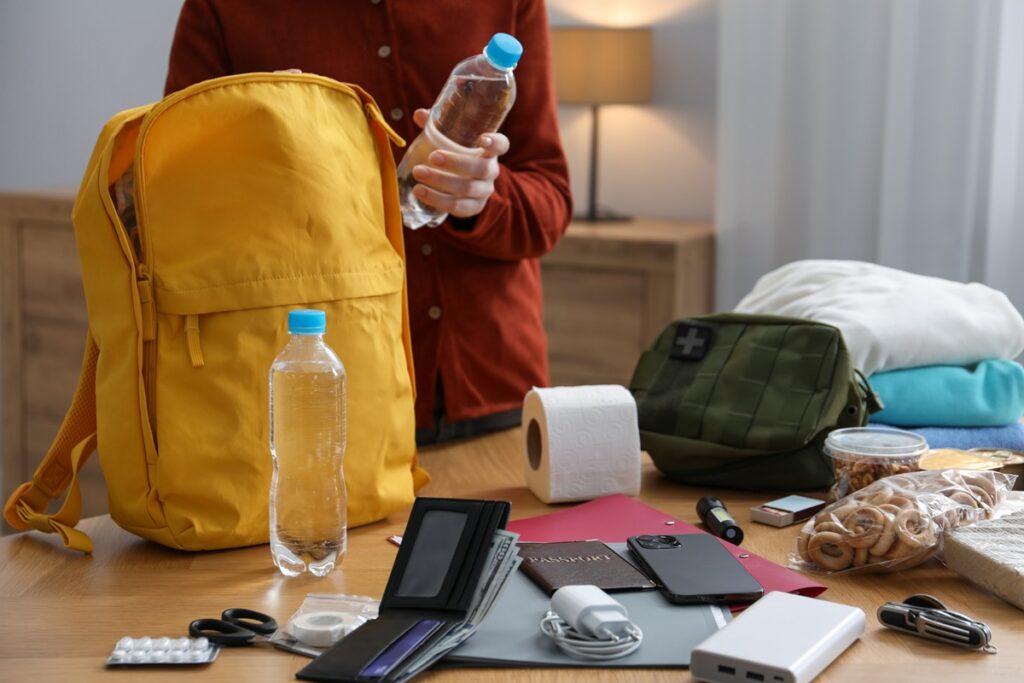
Belgium urges residents to prepare emergency kits before the next crisis Credit : New Africa, Shutterstock
Belgium is asking people to do something many only think about when there is already a problem. Get prepared before the emergency starts. The country’s National Crisis Centre has launched a four year public campaign encouraging residents to be ready for events such as severe weather, power cuts, gas outages and other sudden disruptions. The first focus is simple but important: know where to get trustworthy information when something goes wrong.
It is the kind of advice people often ignore until they need it.
When roads close, electricity fails or storms hit, most people reach for their phones straight away. They search online, open social media and forward messages from friends. Some of that information can be useful. Some of it can be completely wrong. In stressful moments, it is not always easy to tell the difference.
Belgian authorities want to change that habit before the next incident arrives.
Why Belgium is putting this message out now
You only need to look at recent events to understand why governments are paying more attention to preparedness.
Europe has dealt with flooding, heatwaves, storms, transport disruption and energy worries. Events that once felt unusual now seem to happen more regularly. Even when damage is limited, daily life can be thrown off balance quickly.
A cancelled train line, a blocked road, mobile network issues or a local power cut can create hours of confusion.
That is often where the real problem begins.
Not everyone knows where official updates are published. Many rely on hearsay, old screenshots or dramatic posts shared online. By the time correct information appears, stress has already spread.
Belgium’s National Crisis Centre says clear and reliable communication helps people make better decisions and protect themselves and those around them.
That sounds obvious, but in practice many households have never thought about it in advance.
The three things residents are being asked to do
The campaign is not asking people to build bunkers or fill garages with supplies. Instead, it focuses on three practical steps most people can do in minutes.
The first is registering for BE Alert, Belgium’s official public warning system. It allows authorities to send messages directly to residents during emergencies.
The second is following the communication channels used by local councils, provinces and emergency services.
That matters because local information is often what people need most. Is a school closed? Is a road blocked? Is water supply affected in one district but not another? National headlines rarely answer those questions.
The third step is learning about possible local risks through official Crisis Centre information channels. Depending on where someone lives, that could mean flooding, industrial incidents or severe weather.
It is less dramatic than people may expect, but far more useful.
It also echoes the European Commission warning from last year
Belgium’s campaign also brings back memories of the call made by the European Commission in March 2025, when households across the EU were encouraged to think more seriously about emergency readiness.
At the time, the Commission advised families to be able to cope for the first 72 hours of a crisis, whether caused by extreme weather, energy disruption, cyber incidents or other unexpected events.
That recommendation sparked debate across Europe, with many asking whether ordinary households were truly prepared.
Officials encouraged residents to keep a basic emergency kit at home. A typical version would include bottled water, long life food, a torch, batteries, a power bank, essential medicines, copies of important documents, cash, hygiene items, warm clothes, a first aid kit, a radio and phone chargers.
Families with babies, older relatives or pets were also advised to adapt supplies to their own needs. The message then, as now, was about common sense rather than fear.
Belgium’s new campaign follows the same logic: prepare early, stay informed and make small practical choices before a difficult day arrives.
Why local councils are at the centre of the plan
One sensible part of the campaign is that Belgium is not relying only on national institutions.
The Crisis Centre says municipalities and local organisations will help spread the message over the next four years. Posters, online content and information packs will be shared through local networks.
That reflects reality. People often trust information from their town hall, local school network or community pages more than a distant institution they rarely think about.
If advice comes through familiar local channels, residents are more likely to notice it and they are also more likely to remember it.
Why expats and newcomers should take notice
Belgium has a large international population. EU staff, students, freelancers, workers and families from abroad make up a visible part of life in many cities.
For newcomers, emergency systems can be easy to overlook.
Many people do not know which alerts exist, which websites are official or how local authorities communicate. That can become a real issue during a fast moving event.
If you have recently moved to Belgium, taking ten minutes to register for alerts and follow your local council may be more valuable than you realise.
You may never need it. But if something unexpected happens, you will already know where to look instead of scrambling with everyone else.
What Belgium seems to understand
Most people do not prepare because they assume there will be time later. Later is usually when the queue starts, the signal drops, the roads clog up or the rumours begin.
Belgium’s message is not about fear. It is about avoiding unnecessary chaos. No one can prevent every storm or outage. No authority can promise that daily life will always run smoothly.
What can be improved is how ready people are when problems appear. That starts with something surprisingly basic and knowing who to trust, where to look and what to do first.
Sign up for personalised news
Subscribe to our Euro Weekly News alerts to get the latest stories into your inbox!
By signing up, you will create a Euro Weekly News account if you don't already have one. Review our Privacy Policy for more information about our privacy practices.



Farah Mokrani
Farah is a journalist and content writer with over a decade of experience in both digital and print media. Originally from Tunisia and now based in Spain, she has covered current affairs, investigative reports, and long-form features for a range of international publications. At Euro Weekly News, Farah brings a global perspective to her reporting, contributing news and analysis informed by her editorial background and passion for clear, accurate storytelling.
Comments