Petrol strike cancelled: Spanish unions reach a 2026 pay deal to stop fuel closures
By Dora Urbancsek • Published: 23 Apr 2026 • 12:32 • 2 minutes read
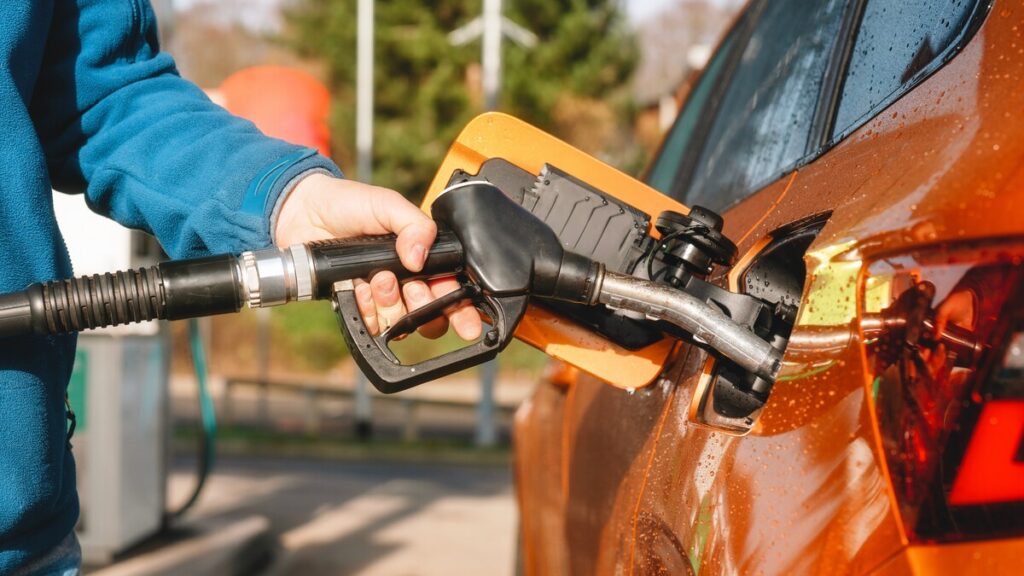
Petrol stations across Spain will operate normally after strike action planned for late April and early May was called off. Credit: Shutterstock/Irene Miller
As of Thursday, April 23, 2026, the risk of disruption at petrol stations across Spain has eased after unions and employers reached a preliminary agreement in the service station sector. The deal, which resolves a long-running dispute over pay and conditions, includes a 3.4% salary increase retroactive to 2025 and a further 2% rise for 2026. As a result, the planned strike action on April 30, scheduled between 12pm and 4pm, and the 24-hour stoppage set for May 3 have been called off.
The timing is significant, as the industrial action had been expected to coincide with the busy May bank holiday period, when road travel typically surges across Spain. For drivers, expats and holidaymakers, the agreement reduces the likelihood of disruption at fuel stations in key areas including the Costa del Sol, Andalucía, and nationwide routes during one of the peak travel weekends of the spring calendar.
What has changed to stop the strike?
According to reports, the breakthrough came after mediation efforts led to what unions have described as a “historic” agreement. The deal includes a cumulative salary increase of around 6.4% over three years, along with additional labour protections and improvements to working conditions. The agreement reportedly introduces staged pay rises, including increases in 2025, 2026 and 2027, alongside a clause linking wages to inflation to help protect workers’ purchasing power.
Other measures include a reduction in annual working hours, improvements to bonuses such as holiday pay and distance allowances, and updated rules around dismissals and early retirement. The final version of the agreement is expected to be formally drafted within the next 30 days, but unions have already confirmed that the planned strike action will be suspended.
A strike that could have hit Malaga hard
The cancelled strike had been expected to impact thousands of workers and hundreds of petrol stations in areas like Malaga and across Andalucía. Earlier warnings suggested that up to 320 stations in Malaga province alone could have been affected, raising fears of queues and fuel shortages during peak travel days.
The timing was particularly sensitive, with the second strike date coinciding with the return leg of the May Day bridge, when road traffic typically surges across Spain. Although minimum services would likely have kept some stations open, the disruption risk was significant enough to concern both residents and tourists planning road trips.
Why workers were prepared to strike
The dispute stemmed from months of stalled negotiations between unions and employers. Worker representatives had accused the sector’s employers of backtracking on earlier proposals and offering conditions they described as “regressive.”
Among the key demands were guaranteed annual pay increases, stronger links between wages and inflation, and better work-life balance measures such as reduced working hours and improved shift conditions. Union leaders also pointed to the contrast between rising fuel prices and what they described as stagnant wages in the sector, arguing that employees were not benefiting from industry profits.
Relief for drivers and holidaymakers
For drivers, the agreement removes the immediate risk of disruption at fuel stations during one of the most important travel periods of the spring calendar. With millions expected to travel across Spain for the long weekend, the avoidance of strike action is likely to ease pressure on roads and prevent last-minute panic refuelling.
For expats and visitors in regions like Costa del Sol, the outcome means normal service at petrol stations during the bridge, allowing travel plans to go ahead without interruption. While the broader labour dispute appears resolved for now, attention will turn to how the new agreement is implemented and whether it satisfies workers in the longer term.
Sign up for personalised news
Subscribe to our Euro Weekly News alerts to get the latest stories into your inbox!
By signing up, you will create a Euro Weekly News account if you don't already have one. Review our Privacy Policy for more information about our privacy practices.



Dora Urbancsek
Dora Urbancsek is an SEO writer with over eight years of experience producing high-quality, search-optimised journalism and digital content. Based in Spain for more than five years, she covers a wide range of topics concerning Spain and Europe, including current affairs, community stories, culture, and lifestyle. Dora is known for accurate, well-researched reporting that keeps readers informed and engaged.
Comments