Spain immigration strike threat puts TIE renewals and residency appointments at risk next week
By Farah Mokrani • Published: 16 Apr 2026 • 23:09 • 3 minutes read
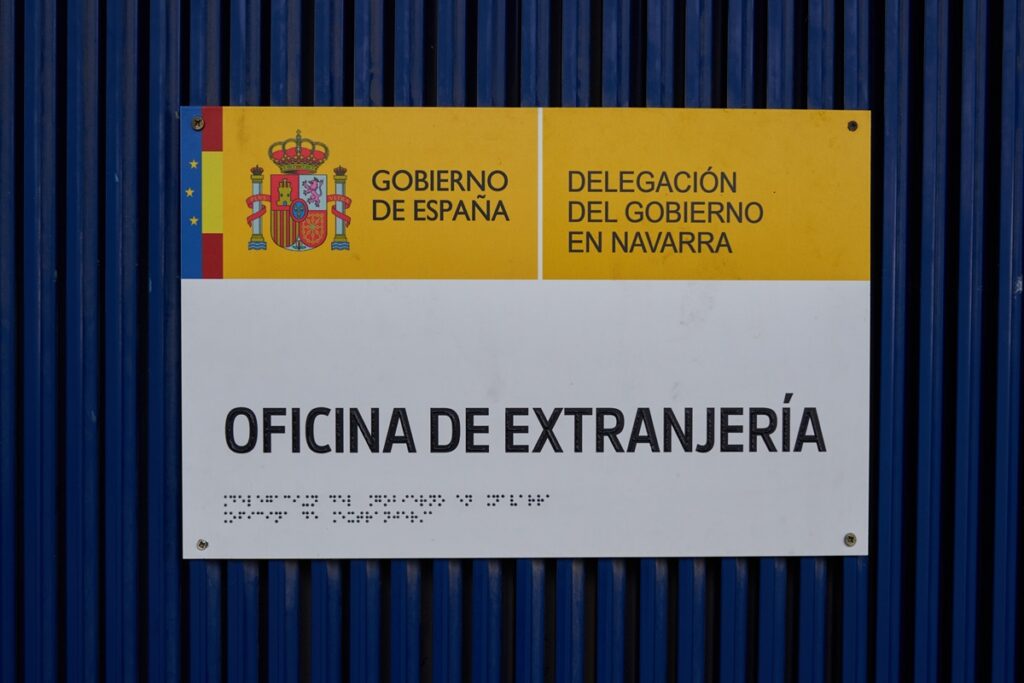
Foreign residents fear delays as Spain immigration offices threaten strike action Credit : Jose Gulias, Shutterstock
Thousands of foreign residents in Spain are suddenly worried about one thing: will their immigration appointment still go ahead next week? Staff at immigration offices have threatened strike action over the government’s new migrant regularisation plan, raising fears of fresh delays for people waiting to renew TIE cards, submit residency files or complete fingerprint appointments. For many already stuck in a slow system, the timing could not be worse.
The proposed strike could begin on 21 April, just as a major new process opens for undocumented migrants seeking legal status.
For residents already in the queue, it has created fresh uncertainty.
Why immigration staff are threatening to walk out
The dispute follows government approval of an extraordinary regularisation scheme aimed at people living in Spain without legal papers.
Ministers say the measure is socially fair and economically necessary. Spain has an ageing population and needs more people in work and paying into the system.
But immigration staff say offices are already overloaded and do not have the resources to cope with a large new wave of applications.
Union representatives argue that adding hundreds of thousands of potential files without reinforcing staffing levels risks overwhelming services that are already struggling in many provinces. Their frustration has now turned into a strike warning.
Reports say staff want more personnel, better support and realistic planning before the scheme fully begins.
Why TIE holders are so anxious
For many foreign residents, this is not an abstract political debate. It is about paperwork that affects everyday life.
A delayed TIE renewal can cause stress when travelling. It can create problems proving legal residence. It can complicate work contracts, banking matters or official procedures.
That is why people with appointments next week are nervous.
Many already spent weeks refreshing booking websites or waiting for slots to open. In some areas of Spain, getting an appointment can feel harder than the actual application itself.
If services are disrupted, some applicants fear they may lose their place and face another long wait.
That is especially worrying for those whose documents are close to expiry.
A system already under pressure
Spain’s immigration network has faced growing demand for years.
The country has welcomed millions of foreign residents, workers, students and retirees. At the same time, Brexit paperwork, family reunification requests, visa renewals and residency changes have added extra pressure.
Many applicants already complain about delays, scarce appointments and different waiting times depending on where they live.
The new regularisation programme is likely to bring another surge in demand.
According to reports, some of the workload may be shared with other public services and external bodies. Even so, immigration staff say the main offices still need stronger support. That helps explain why tensions have risen now.
What to do if you have an appointment next week
If you are booked in for a TIE renewal or other immigration procedure, the first rule is simple: do not cancel it yourself.
Unless you receive official notice, assume the appointment still stands.
Keep checking the website where it was booked, along with email or text messages linked to your application.
If you are using a gestor or lawyer, stay in contact in case local guidance changes.
Bring printed copies of confirmations and documents. If systems are slow or there is confusion on the day, having paperwork ready can save time.
It is also wise to arrive early. Even where offices remain open, reduced staffing could mean queues or delays.
Why this matters beyond paperwork
For many people in Spain, immigration appointments are tied to stability.
They represent the right to keep living here, working here, travelling freely and planning the future.
That is why the threat of strike action has caused such a strong reaction among residents who are already inside the system and simply trying to stay compliant.
If unions and the government reach an agreement quickly, disruption may be limited. If they do not, thousands could face another round of waiting, uncertainty and stress.
And for those checking their calendar for next week, one question is now hanging over everything: will my appointment actually happen?
Sign up for personalised news
Subscribe to our Euro Weekly News alerts to get the latest stories into your inbox!
By signing up, you will create a Euro Weekly News account if you don't already have one. Review our Privacy Policy for more information about our privacy practices.



Farah Mokrani
Farah is a journalist and content writer with over a decade of experience in both digital and print media. Originally from Tunisia and now based in Spain, she has covered current affairs, investigative reports, and long-form features for a range of international publications. At Euro Weekly News, Farah brings a global perspective to her reporting, contributing news and analysis informed by her editorial background and passion for clear, accurate storytelling.
Comments