Expat in Spain receives an alarming SMS about crypto taxes – is it genuine or a scam?
By Adam Woodward • Updated: 16 Apr 2026 • 21:59 • 2 minutes read
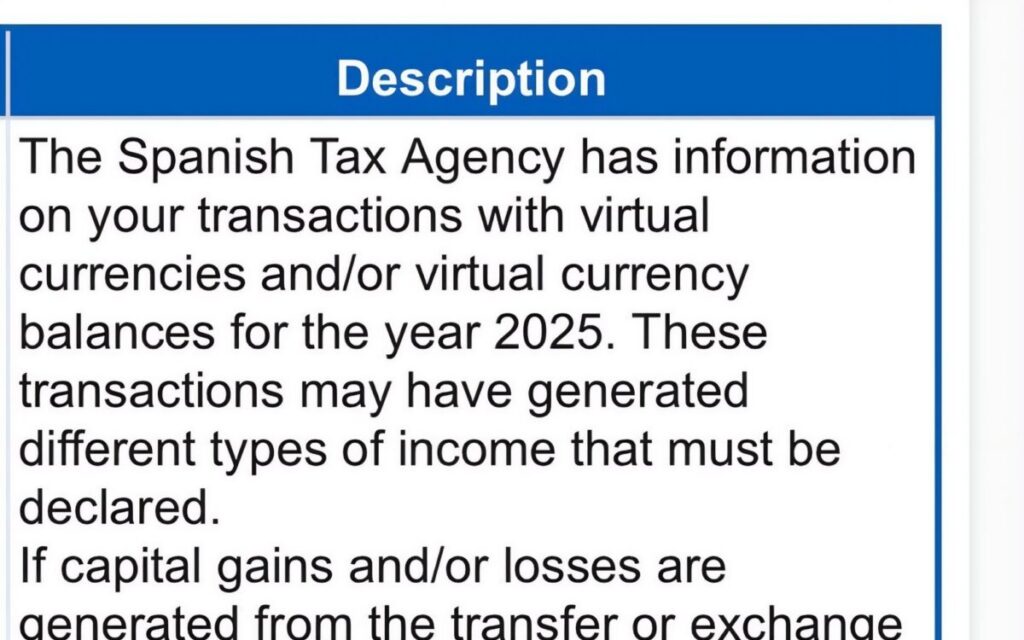
Expats targeted in Spanish smishing scam Credit: Spain Immigration and Residency Questions - SpainGuru.es
Foreign residents living on the Costas and other parts of Spain often handle digital assets. One such expat recently got a worrying phone message claiming knowledge of his 2025 virtual currency transactions from the Spanish Tax Agency. He nearly clicked where he shouldn’t.
Message provokes immediate concern
Details in the text referred to possible capital gains or losses from crypto transfers or exchanges. It directed the recipient to declare amounts in euros within specific boxes on the income tax return. Many expats who trade or hold cryptocurrencies felt similar anxiety upon reading comparable alerts.
Official rules differ sharply from the text message
Spain’s Agencia Estatal de Administración Tributaria monitors crypto activity through reports from exchanges. Individuals must report gains and losses in their annual IRPF declaration, usually filed by late June. Yet authorities never send personalised tax advice or warnings via ordinary SMS or phone calls.
Legitimate contact arrives exclusively through the secure electronic inbox on the official AEAT website. Both the police and tax officials confirm that genuine notifications avoid detailed instructions or urgent demands delivered by text.
Scam tactics target worried crypto users
While generally, violent crime levels in Spain are much lower than in many other European countries, the level of scammers, especially those who exploit tax season and growing crypto interest among foreigners settled in Spain, is high. And often, they will target foreigners living in Spain. Messages like this one create panic and knee-jerk clicks on malicious links or calls to fake helplines. It is completely understandable. Recent AEAT warnings list multiple “smishing” campaigns impersonating the agency, especially around refunds or obligations. And it’s rife! Recipients risk identity theft or financial loss if they engage.
Safety steps every expat should follow
Delete suspicious texts immediately without replying or following any instructions. If you are concerned about the message, log directly into sede.agenciatributaria.gob.es using Cl@ve, a digital certificate or DNIe to check the personal inbox for real messages. In any case, the tax authority in Spain would never send a message with this much detail. They only send messages alerting of a message to read on the official Hacienda website.
Crypto holders benefit from consulting the official Income Tax Assistant on the portal for accurate guidance on boxes covering virtual currency gains. Professional advice from a qualified gestor or tax specialist familiar with expat situations provides extra reassurance.
Readers share their experiences
Euro Weekly News invites expats across Spain to comment below or via social media. What action would you take upon receiving such a message? Would you ignore it, verify through official channels, or seek immediate professional help? So many in the community have faced similar attempts, and their insights help others stay protected.
Awareness remains key as tax authorities increase focus on digital assets while scammers adapt quickly. Staying vigilant protects hard-earned savings and ensures compliance without falling victim to fraud.
Sign up for personalised news
Subscribe to our Euro Weekly News alerts to get the latest stories into your inbox!
By signing up, you will create a Euro Weekly News account if you don't already have one. Review our Privacy Policy for more information about our privacy practices.


Adam Woodward
Adam is a writer who has lived in Spain for over 25 years. With a background in English teaching and a passion for music, food, and the arts, he brings a rich personal perspective to his work at Euro Weekly News. As a father of three with deep roots in Spanish life, Adam writes engaging stories that explore culture, lifestyle, and the everyday experiences that shape communities across Spain.
Comments