Denmark train crash leaves four critical after commuter collision
By Dora Urbancsek • Published: 23 Apr 2026 • 9:53 • 2 minutes read
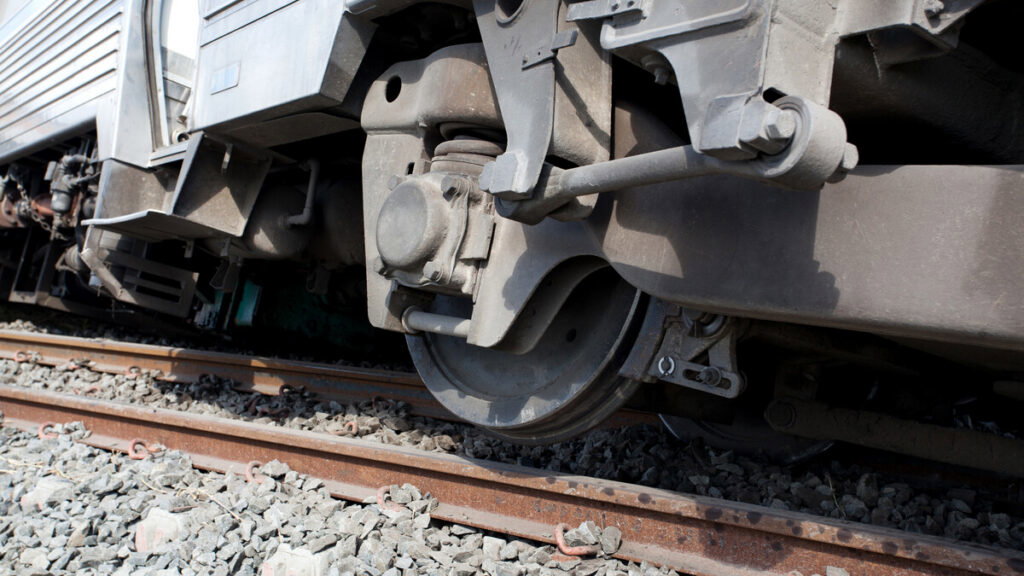
A head-on collision between two commuter trains north of Copenhagen left at least 17 people injured, including four in critical condition. Credit: Shutterstock/I WALL
A head-on train collision in Denmark has left four people in critical condition and at least 13 others injured, after two commuter trains crashed north of Copenhagen during the morning rush on April 23. The accident happened on a regional line between Hillerod and Kagerup, an area regularly used by daily commuters travelling into the Danish capital. Emergency services confirmed that a major response was launched within minutes, with ambulances and helicopters deployed to the scene.
Authorities say all passengers were evacuated safely and no one was trapped inside the trains, but images from the site show severe damage to the front sections of both carriages, highlighting the force of the impact.
What caused the Denmark train collision?
At this stage, Danish officials have not confirmed the exact cause of the crash. Investigations are now focusing on whether the collision may have been linked to a signalling failure, operational error, or a breakdown in communication between train control systems. Local reports describe the incident as a head-on collision between two local trains operating on the same track. Both trains remained upright after the crash, which likely prevented a higher number of serious injuries.
Denmark’s rail network is generally considered one of the safest in Europe, with modern infrastructure and strict operational protocols. That makes incidents like this particularly significant, as they raise questions about how two trains could end up on the same track moving towards each other.
What this means for passengers in Europe
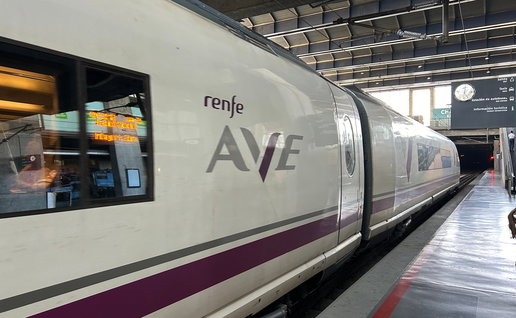
While the crash happened in Denmark, the implications are broader for passengers across Europe, including expats living in Spain who rely heavily on regional rail networks. Unlike high-speed trains such as AVE services in Spain, commuter and regional lines often operate with more complex track-sharing systems. These systems depend heavily on signalling accuracy and human coordination, which can increase the risk of incidents if something goes wrong.
Spain itself has seen rail safety improvements in recent years, particularly following past high-profile accidents. However, this incident is a reminder that even well-developed European rail systems are not immune to rare but serious failures. For expats who regularly travel by train, especially on local routes, the key takeaway is not panic but awareness. Rail travel remains one of the safest forms of transport in Europe, but disruptions, delays, and occasional incidents can happen.
Emergency response and current situation
Danish emergency services described the operation as large-scale but controlled. Multiple ambulances attended the scene, while helicopters were used to transport the most seriously injured to nearby hospitals. Four passengers remain in critical condition, while others are being treated for minor and moderate injuries. Authorities have not yet released full details about the victims.
Rail services in the affected area were suspended following the crash, with delays expected to continue while investigators examine the tracks, signalling systems, and train data. Officials are expected to release further updates in the coming days as more information becomes available.
A rare but serious reminder
Train collisions of this nature are rare in Northern Europe, particularly on commuter lines. The fact that no fatalities have been reported so far is being seen as a positive outcome given the circumstances.
However, the incident will likely lead to a detailed review of safety procedures and operational controls, not just in Denmark but across European rail networks. For now, the focus remains on the recovery of those injured and understanding how a routine morning commute turned into a major emergency.
Sign up for personalised news
Subscribe to our Euro Weekly News alerts to get the latest stories into your inbox!
By signing up, you will create a Euro Weekly News account if you don't already have one. Review our Privacy Policy for more information about our privacy practices.



Dora Urbancsek
Dora Urbancsek is an SEO writer with over eight years of experience producing high-quality, search-optimised journalism and digital content. Based in Spain for more than five years, she covers a wide range of topics concerning Spain and Europe, including current affairs, community stories, culture, and lifestyle. Dora is known for accurate, well-researched reporting that keeps readers informed and engaged.
Comments