The World’s ‘Richest’ Countries Just Changed, And the US Is Not Near the Top
By Farah Mokrani • Updated: 27 Apr 2026 • 20:07 • 3 minutes read
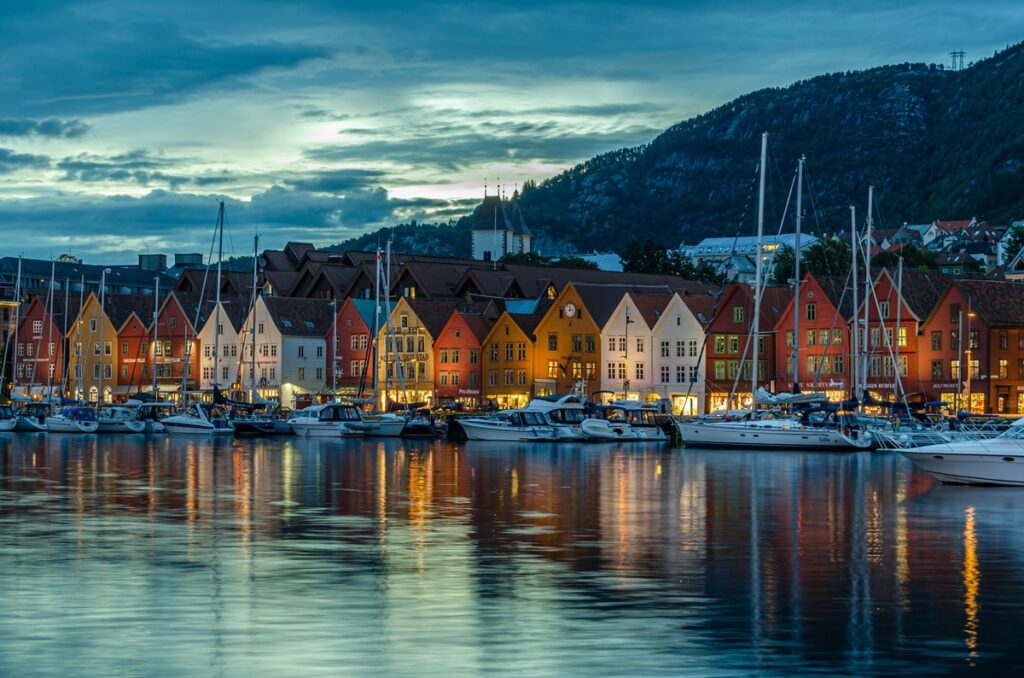
Norway leads Europe in new 2026 wealth ranking Credit : vali.lung, Shutterstock
A new global wealth ranking for 2026 is challenging old ideas about what it means to be a rich country. Instead of focusing only on GDP, the latest prosperity index looks at income, inequality, quality of life and how wealth is shared. The result is a very different top ten, with France and Germany both missing out.
The ranking also places Norway first, ahead of bigger economies such as the United States, Germany and France. That may surprise many readers used to seeing the world’s largest economies dominate these lists. But the study argues that producing money and spreading prosperity are not the same thing.
Why GDP alone no longer tells the full story
Traditional ‘richest country’ rankings often rely on GDP or GDP per capita. That can create misleading pictures.
A country may generate huge national output, but if wealth is concentrated among a small share of the population, everyday living standards may not match the headline number.
That is one reason this newer ranking uses a broader model.
The index, produced by financial comparison platform HelloSafe, combines data from the IMF, World Bank, UNDP, Eurostat and OECD. It measures national income, inequality and wider social indicators to create a prosperity score out of 100.
In simple terms, it asks a more practical question. How much of a country’s wealth is actually felt by ordinary people? That change in method reshuffles the global order quickly.
Which countries made the top ten in 2026
According to the ranking, Europe dominates the upper end of the table.
The top ten are:
- Norway
- Ireland
- Luxembourg
- Switzerland
- Iceland
- Singapore
- Denmark
- Netherlands
- Belgium
- Sweden
That means the first five places all go to European countries. It also means larger nations often seen as economic giants are pushed lower down.
Germany ranks 12th, the United States 17th, and France 20th. For countries with strong reputations and major industries, those positions may seem unexpectedly low.
Why Norway came out on top
Norway’s first place finish was linked to very high national income combined with a balanced social model.
The country benefits from strong public finances, high wages, lower inequality than many rivals and consistently strong living standards.
In short, Norway performs well not only at generating wealth but at distributing its benefits.
That is exactly the type of profile this ranking rewards.
Why Ireland remains high despite debate
Ireland came second, helped by strong real incomes.
However, the report also notes that Irish GDP figures can be inflated by multinational companies operating there. Large corporate activity can make output numbers look exceptionally high even when that wealth does not always reflect household reality in the same way.
That is why broader rankings like this try to look beyond one headline figure.
Why France, Germany and the US slipped
The lower ranking for major economies does not mean they are poor countries. It means they scored less strongly once inequality, relative poverty and broader social outcomes were considered.
Germany remains a powerful economy, but landed just outside the top ten.
The United States, despite vast economic strength, ranked 17th, with inequality cited as one factor holding it back.
France came 20th, just behind the Czech Republic. That comparison may raise eyebrows, but the ranking says countries with more equal income distribution can perform better than larger economies where wealth gaps are wider.
How Spain compares
Spain was not among the leading performers in the report and was described as more modestly ranked. The reasons cited included lower income levels compared with northern European leaders and higher relative poverty.
That reflects a challenge Spain shares with several southern European economies: strong lifestyle appeal and important industries, but lower average incomes than some northern neighbours.
What happened outside Europe
Europe leads overall, but other regions had standout performers. In Asia, Singapore ranked highest, followed by Qatar and the United Arab Emirates.
In Latin America, Uruguay came top for the region, helped by stronger equality and lower poverty levels.
In Africa, the Seychelles led the continental ranking, ahead of Mauritius and Algeria.
These results suggest smaller countries can compete strongly when wealth is managed efficiently and social outcomes remain solid.
Why this ranking matters
Lists of the ‘richest countries’ often attract attention, but they can also shape how people think about migration, investment, retirement and quality of life. A high GDP may impress economists.
But for families deciding where life feels secure, affordable and fair, other measures can matter more. Healthcare, wages, poverty rates, housing pressure and public services all influence whether prosperity feels real.
That is why rankings like this are gaining interest. They ask not who earns the most, but who lives best.
What the 2026 results really show
The biggest lesson from the table is simple. Being wealthy as a nation is no longer judged only by size, exports or headline output.
Countries that combine strong incomes with lower inequality and stable living standards are increasingly coming out ahead.
That helps explain why Norway leads, why smaller European states dominate, and why some famous economic heavyweights fall down the list.
In 2026, being rich is no longer only about making money. It is about what that money actually does for people.
Follow Euro Weekly News on Google News
Get breaking news from Spain, travel updates, and expat stories directly on your Google News feed.
Follow on Google NewsSign up for personalised news
Subscribe to our Euro Weekly News alerts to get the latest stories into your inbox!
By signing up, you will create a Euro Weekly News account if you don't already have one. Review our Privacy Policy for more information about our privacy practices.




Farah Mokrani
Farah is a journalist and content writer with over a decade of experience in both digital and print media. Originally from Tunisia and now based in Spain, she has covered current affairs, investigative reports, and long-form features for a range of international publications. At Euro Weekly News, Farah brings a global perspective to her reporting, contributing news and analysis informed by her editorial background and passion for clear, accurate storytelling.
Comments