How to avoid being caught off guard by jellyfish on Spain’s beaches this summer
By Molly Grace • Updated: 10 Jun 2026 • 22:03 • 4 minutes read
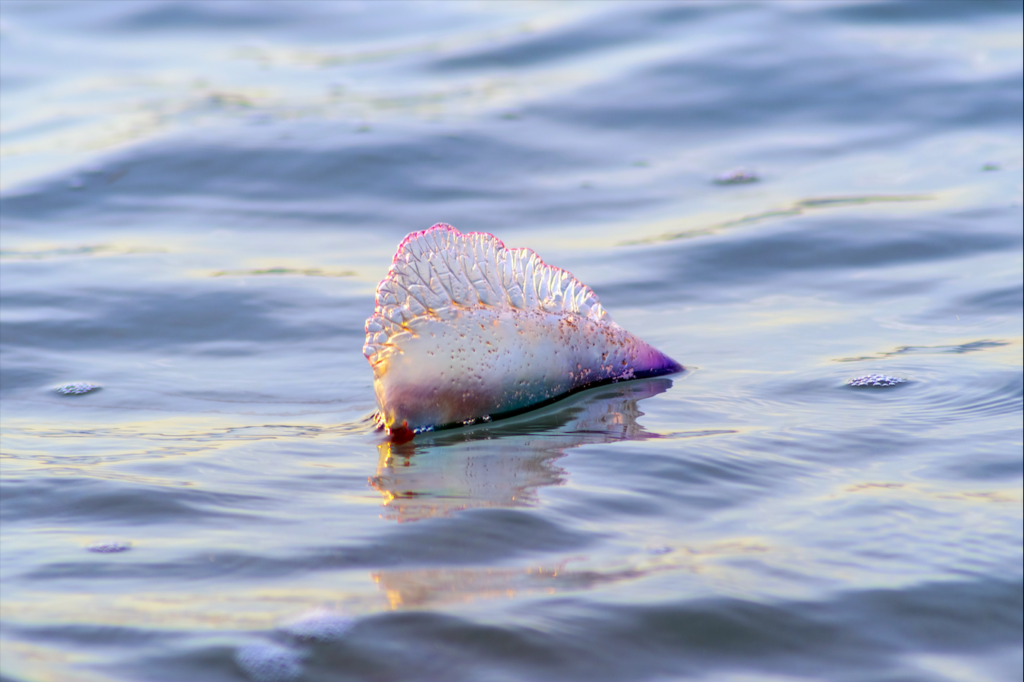
Warm sea temperatures increase their presence. Photo credit: BSG_1974/Shutterstock
As the weather warms across Spain, rising sea temperatures and shifting coastal currents create conditions that affect what swimmers experience in the sea. In recent years, lifeguards in some coastal areas have reported more frequent encounters at water level, particularly during busy beach periods on the Mediterranean coast.
However, what beachgoers perceive as “jellyfish season” is often less about visible swarms and more about unpredictable in-water encounters, where swimmers come into contact with organisms they did not see beforehand.
Seasonal presence along Spanish coasts
In Spanish waters, jellyfish-related encounters are often patchy and localised rather than widespread. One beach may have clear water while another just a few kilometres away experiences brief concentrations carried in by currents.
This variability means swimmers are often reacting to conditions at a specific moment in a specific stretch of water, rather than a uniform presence along the coastline.
What swimmers actually encounter in the water
What people describe as “jellyfish in the sea” is often a mix of different floating organisms, fragments, and natural debris rather than clearly identifiable animals.
Common real-world encounters include:
- translucent fragments drifting just under the surface
- small blue sail-like organisms such as By-the-wind Sailor (Velella velella)
- detached tentacle strands invisible until contact
- seaweed or jelly-like plankton clusters
This is why swimmers can be stung even when nothing obvious is visible, the hazard is often microscopic or fragmented rather than fully formed animals.
Which jellyfish-related encounters are most noticeable
From a swimmer’s perspective, the worse encounters are not necessarily the most dangerous species, but the ones that create immediate sensation in the water.
The mauve stinger (Pelagia noctiluca) is often associated with sharp, immediate skin contact, which makes it more noticeable even in short encounters.
The Portuguese man o’ war (Physalia physalis) tends to be reported differently, often because swimmers describe a burning contact followed by lingering pain, even from brief exposure.
By contrast, many other jellyfish-like organisms may be present in the water without being noticed at all, due to weak or absent sting effects.
What type of waters increase the chance of encounters
Rather than being tied to fixed locations, jellyfish encounters are strongly linked to how water is moving at a given time.
Key factors include:
- water movement patterns, which can concentrate organisms in narrow coastal bands
- surface drift conditions, where floating life accumulates in specific zones
- temperature layering in the sea, which can affect where organisms sit in the water column
- short-term wind shifts, which can rapidly change beach conditions within hours
This means two swimmers in the same region can have completely different experiences depending on timing and exact location.
In some cases, combinations of these conditions can lead to short-lived increases in encounters, but they are typically temporary and highly localised rather than sustained trends across entire coastlines.
How to tell if jellyfish are in the sea
Detection is often less about seeing jellyfish clearly and more about recognising indirect signals in the water environment.
These include:
- sudden clusters of floating organic matter
- changes in how swimmers feel in shallow water
- small translucent shapes near wave breaks
- warnings from lifeguards based on current drift patterns
In many cases, swimmers only become aware of presence after first contact.
What happens when you are stung
A sting occurs when skin comes into contact with microscopic stinging structures embedded in tentacles or fragments. These structures are designed to activate on touch rather than sight.
Reactions vary depending on exposure level and sensitivity, and may include:
- sharp or burning sensation on contact
- localised redness or irritation
- raised skin response
- short-term swelling in affected areas
In most cases, the reaction remains localised and temporary.
What happens in the first moments after a sting
When jellyfish contact occurs, most people do not immediately realise what has happened and panic can set in. The first sensation is often a sudden burning or stinging feeling on the skin, which can intensify within seconds depending on the species and level of exposure. In many cases the reaction is influenced not just by the sting itself, but by what is still present in the water or on the skin after contact.
Tiny fragments of tentacle material or stinging structures can continue to activate even after the initial encounter, which is why discomfort may persist or spread slightly beyond the original point of contact, for that reason its recommended to slowly make your way out of the water and do not thrash around as you can risk more stings
The severity of the reaction varies widely between individuals and species, but most incidents remain localised to the skin and short-lived. More pronounced reactions tend to be associated with higher exposure or more reactive species, particularly in warmer, sheltered coastal waters where encounters are more concentrated.
In situations where symptoms escalate beyond mild skin irritation or do not begin to settle naturally over time, medical assessment is used as a precautionary measure in coastal areas.
When to seek medical help
Medical support is generally only required when reactions extend beyond mild skin irritation or when symptoms escalate unexpectedly.
This includes:
- large affected areas
- persistent or worsening pain
- systemic symptoms such as dizziness or breathing difficulty
- vulnerable individuals such as children or elderly swimmers
Emergency services in Spain operate via 112, with lifeguards often providing the first point of response on beaches.
Prevention and beach safety
Rather than relying on visible detection alone, swimmers are encouraged to pay attention to real-time beach conditions, jellyfish trackers and water behaviour, as jellyfish-related encounters are often not visually predictable.
Even when conditions appear clear, contact can still occur due to fragmented material or drifting organisms not visible at surface level. Awareness of water movement and local warnings remains the most effective way to reduce unexpected encounters.
Follow Euro Weekly News on Google News
Get breaking news from Spain, travel updates, and expat stories directly on your Google News feed.
Follow on Google NewsSign up for personalised news
Subscribe to our Euro Weekly News alerts to get the latest stories into your inbox!
By signing up, you will create a Euro Weekly News account if you don't already have one. Review our Privacy Policy for more information about our privacy practices.





Molly Grace
Molly is a British journalist and author who has lived in Spain for over 25 years. With a background in animal welfare, equestrian science, and veterinary nursing, she brings curiosity, humour, and a sharp investigative eye to her work. At Euro Weekly News, Molly explores the intersections of nature, culture, and community - drawing on her deep local knowledge and passion for stories that reflect life in Spain from the ground up.
Comments