Robots could soon work in Spain’s airports. Here is how close we are
By Lucy Ramnought • Published: 28 Apr 2026 • 19:05 • 2 minutes read
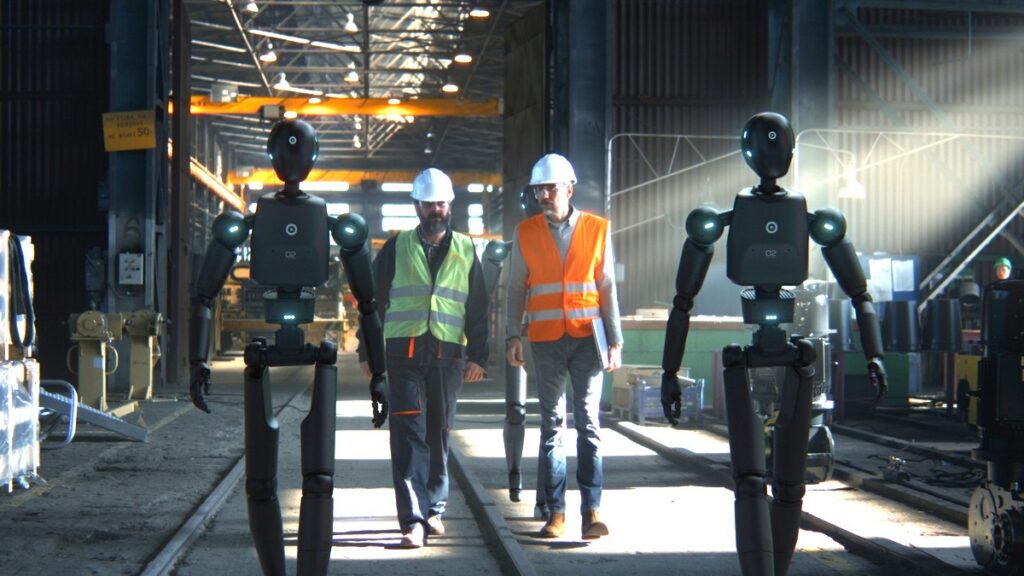
Humanoids are being testing to work next to the humans Credit: Frame Stock Footage/Shutterstock
Robots handling luggage at airports might sound futuristic, but it’s already starting to happen. A new trial in Japan is testing whether humanoid machines can take on some of the toughest airport jobs, and it raises a big question, how long until robots are working in Spain’s airports too?
Japan’s Haneda airport robot experiment explained
In April 2026, Japan Airlines announced a trial using humanoid robots at Tokyo Haneda Airport. The robots are being tested for physically demanding ground tasks such as moving cargo containers, assisting baggage operations, and potentially cleaning aircraft cabins.
Japan Airlines said the trial is designed to address serious labor shortages in airport ground handling. Japan’s ageing population and growing tourism demand have made recruitment harder, especially for physically intense roles.
The robots being tested can reportedly work for a few hours before recharging, showing that this is still an early-stage operational experiment, they are being tested in controlled conditions and are not yet ready to replace human teams.
Why do airports need robots to help?
Airport work is repetitive, time-sensitive, and physically demanding. Baggage handlers often lift heavy luggage in hot or cold conditions while working to tight turnaround schedules.
Spain faces similar pressures, especially during summer peaks when millions of tourists pass through airports on the Costa del Sol, Balearics, and Canary Islands.
Robots could help assist at airports by lifting and moving heavy items, reducing workplace injuries, supporting staff shortages and improving turnaround efficiency and working during extreme heat conditions important for southern Spain in particular, summer temperatures make ramp work challenging.
What Spain already uses today
Many baggage systems have for years used conveyors, scanners, and digital tracking systems that route luggage automatically. Recently passengers also see increasing use of self-check-in kiosks, biometric boarding gates, and automated security technology.
When robots could arrive in Spanish airports
Based on current global trends, Spain is more likely to adopt practical service robots before humanoid workers.
Likely timeline based on trends
2026–2028 – Cleaning robots, security patrol robots, smart baggage carts and exoskeleton trials for handlers
2028–2032 – Semi-autonomous ramp vehicles, robotic baggage loading assistance and remote-controlled specialist robots
2030–2035+ – Limited humanoid robot pilots at major hubs such as Madrid or Barcelona, if costs fall and performance improves.
Which airports will adopt first
The most likely first adopters in Spain are Madrid-Barajas, Barcelona-El Prat, Palma de Mallorca, Malaga-Costa del Sol and Alicante-Elche based on their high passenger numbers, pressure for fast turnaround times, and seasonal labor demand.
The question people are always asking, will humans lose their jobs?
In the short term, probably not.
Most experts expect robots to assist workers rather than replace them entirely. Human staff are still needed for safety decisions, irregular baggage issues, customer interaction, and supervising equipment.
A more realistic future is humans working alongside machines, with robots handling lifting, transport, and repetitive tasks.
For anyone travelling through Spain, the first visible signs of airport robotics may be smarter service machines rather than walking android baggage handlers.
Sign up for personalised news
Subscribe to our Euro Weekly News alerts to get the latest stories into your inbox!
By signing up, you will create a Euro Weekly News account if you don't already have one. Review our Privacy Policy for more information about our privacy practices.





Lucy Ramnought
Lucy Ramnought is a local news writer and mother of 4 from the UK who has lived in the Costa Del Sol for just over 4 years. With a background in content writing and social media for various companies, and with vast experience in PA and project management, Lucy is committed to producing accurate, engaging and reliable stories to her work at Euro Weekly News.
Comments