Study finds 72% of Spanish youth say migrants should adapt to Spanish culture
By Molly Grace • Updated: 28 Apr 2026 • 18:09 • 3 minutes read
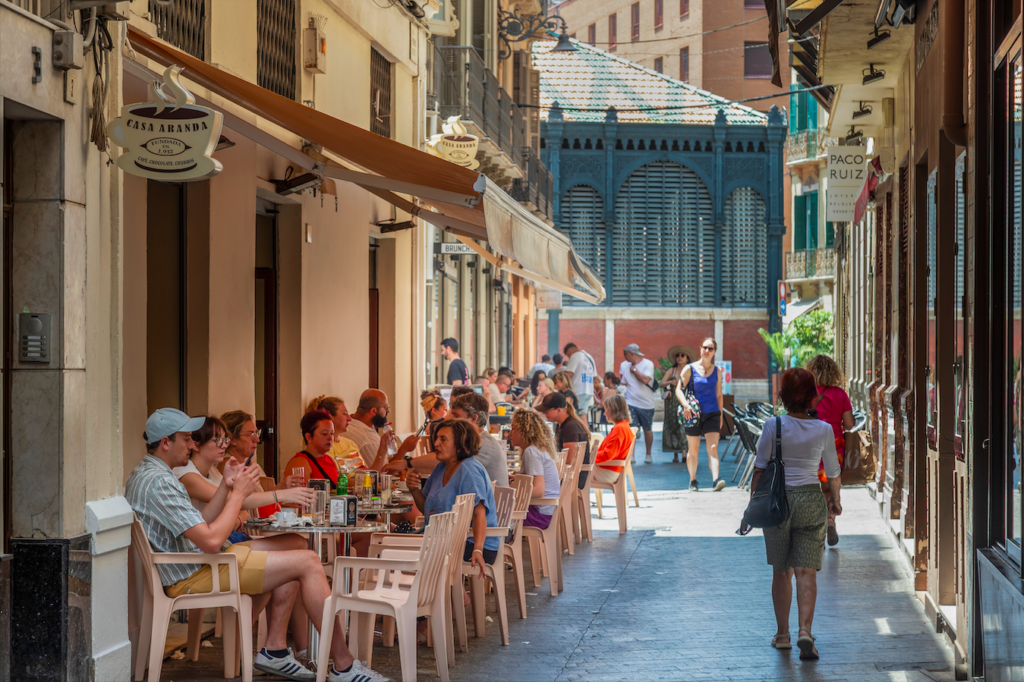
Questions about integration are often discussed in community settings. Photo credit: Wolf-photography/Shutterstock
A new study on attitudes among young people in Spain finds that a large majority believe migrants should adapt to Spanish customs, offering a snapshot of how views on immigration and cultural integration are expressed within younger age groups.
The findings come from the Jóvenes Españoles 2026 report by Fundación SM, a survey-based study examining opinions among young people across Spain on social, cultural and political issues. According to the report, 72% of respondents aged between 15 and 29 said migrants should adapt to the customs of Spain rather than maintain their own cultural practices in full.
Views on cultural adaptation
The 72% figure represents a clear majority among respondents, although the report also records a range of views within the same age group. The question focused specifically on whether migrants should adjust to Spanish cultural norms, rather than whether they should fully abandon their own cultural identity.
Researchers involved in the study note that responses point to a strong expectation of cultural adaptation as part of social integration. However, the report does not specify which customs respondents prioritised, nor does it provide detailed breakdowns by region, education level or background.
For people living in Spain, these findings reflect a topic that already appears in everyday discussion. In schools, workplaces and local communities, questions about integration often arise in relation to shared language, social norms and public behaviour.
Wider perceptions of migration
Alongside cultural adaptation, the study also examines other attitudes towards migration. According to the findings, a notable proportion of respondents associate migration with pressure on public services and competition for employment. Media coverage of the report highlights that some young people express concerns linking migration with social and economic strain.
However, the study presents these responses as perceptions held by respondents, rather than as verified outcomes. It records how people view migration, not measurable effects of migration itself. The Fundación SM report places these responses within a set of questions designed to understand how young people interpret social change in Spain. It does not rank these attitudes as correct or incorrect, but documents how they are distributed across the sample group.
Context of the findings
The survey is based on responses from several thousand young people across Spain. It forms part of a continuing research series that tracks how attitudes evolve over time, allowing comparison with previous editions of the study. Earlier editions of the research have shown variation in how young people in Spain view subjects such as identity, employment, public services and migration.
The 2026 results continue to show that cultural adaptation remains a central point in how many respondents think about integration. The report itself does not make policy recommendations. Instead, it focuses on presenting survey data and identifying how responses differ across topics and age groups.
Relevance for residents in Spain
For residents currently living in Spain, the findings provide insight into how younger generations are forming views on migration at a time when it remains a recurring subject in public debate. Spain has experienced sustained immigration in recent years, and discussions about integration often appear in areas such as housing, education, employment and local services.
The study suggests that expectations around cultural adaptation are a common element in how many young respondents understand these issues. In areas such as Málaga, Torrevieja and Mallorca with higher levels of migration, questions about integration are often discussed in community settings. These discussions can take place in schools, neighbourhood groups and workplaces, where daily interaction plays a key role in shaping perceptions.
Interpretation of the results
Researchers and media outlets reporting on the study have noted that the findings reflect how migration is discussed among young people in Spain in relation to social and economic conditions. The report itself does not identify causes for these attitudes, focusing instead on presenting the survey responses.
Some commentary in media coverage notes that respondents often associate migration with pressures on public services or employment, but these interpretations are drawn from analysis of the data rather than direct statements made by participants. The report does not suggest that these views are uniform across all respondents, and it records a range of responses to each question included in the survey.
Conclusion
The Jóvenes Españoles 2026 study provides a structured overview of how young people in Spain view migration and cultural integration. With 72% of respondents indicating that migrants should adapt to Spanish customs, the findings show a clear majority position within the surveyed group.
At the same time, the report records differing opinions and highlights that attitudes vary depending on the question asked. It offers a dataset that reflects how young people currently respond to issues connected to migration, identity and social integration in Spain.
Sign up for personalised news
Subscribe to our Euro Weekly News alerts to get the latest stories into your inbox!
By signing up, you will create a Euro Weekly News account if you don't already have one. Review our Privacy Policy for more information about our privacy practices.




Molly Grace
Molly is a British journalist and author who has lived in Spain for over 25 years. With a background in animal welfare, equestrian science, and veterinary nursing, she brings curiosity, humour, and a sharp investigative eye to her work. At Euro Weekly News, Molly explores the intersections of nature, culture, and community - drawing on her deep local knowledge and passion for stories that reflect life in Spain from the ground up.
Comments