Bars and restaurants in Spain to add supplement for each bottle sold
By Molly Grace • Published: 30 Apr 2026 • 23:11 • 3 minutes read
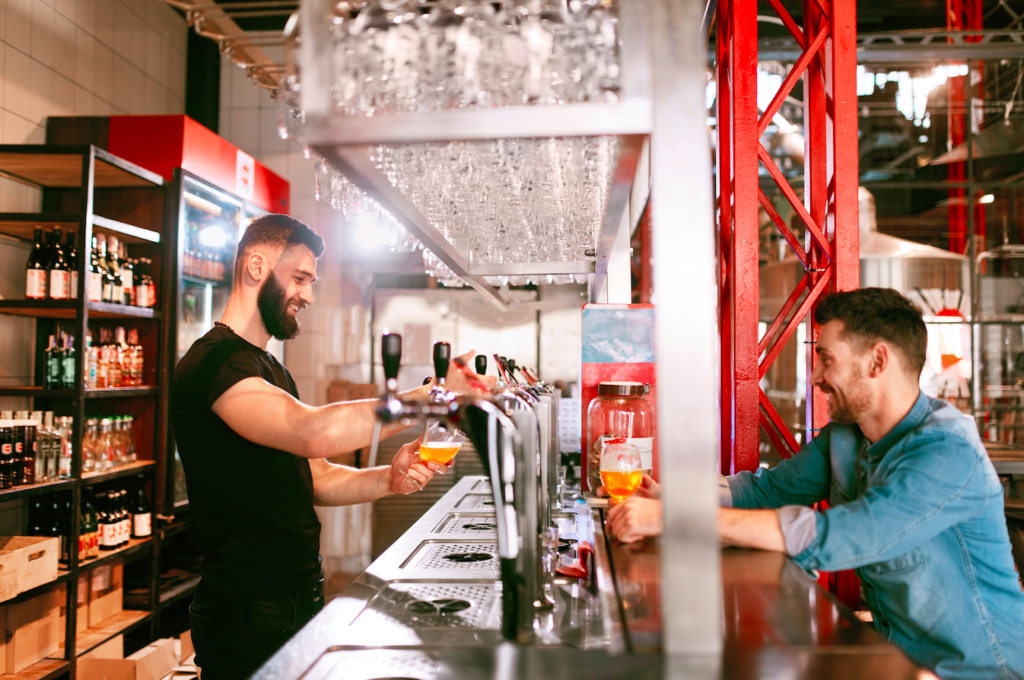
Bars will need to adjust internal processes to manage containers that carry a refundable value. Photo credit: Puhhha/Shutterstock
Bars and restaurants across Spain will be required to apply a refundable charge to selected beverage containers once the national deposit-return system for drinks packaging comes into force. The change will affect how bottled and canned drinks are sold in hospitality venues, where consumption often takes place on-site rather than through takeaway retail.
The measure forms part of a wider regulatory framework aimed at improving collection rates for drink containers that currently enter waste streams or are discarded in public spaces. Unlike retail environments, where customers typically retain packaging, bars introduce a service-based setting where containers are opened, consumed and cleared by staff. This difference is central to how the scheme will operate in practice within hospitality businesses.
How the Deposit Will Appear in Bar Transactions
Under the system, eligible drinks sold in bars will carry an additional refundable charge applied at the point of sale. This will be shown separately from the listed price of the drink, meaning customers will see a clear breakdown between the beverage cost and the container deposit.
The charge will apply to drinks sold in original packaging, including bottled soft drinks, beer and cans. Bars will be required to ensure the correct application of the deposit through updated pricing systems and till configurations. Staff training is expected to form part of early implementation preparation to ensure consistency in how charges are applied across different products.
Customer Experience When Drinking On-Site
For customers consuming drinks within bars, the deposit system introduces a change in how value is recovered. In most cases, empty bottles and cans remain within the venue and are cleared by staff, meaning customers do not retain physical access to the container required to reclaim the deposit. This creates a situation in which the refundable charge is less directly linked to consumer action compared with takeaway purchases.
As a result, the practical benefit of reclaiming the deposit may be more relevant for drinks consumed off-site, where containers remain in the customer’s possession after use. The change may also influence purchasing patterns, particularly in venues offering both bottled and draught options, where consumers may consider alternatives that do not involve a container deposit.
Operational Changes Inside Hospitality Venues
Bars will need to adjust internal processes to manage containers that carry a refundable value. This includes handling, storing and preparing eligible bottles and cans for return through authorised collection systems. In many venues, staff already collect and dispose of empty containers as part of routine service.
Under the new system, this activity will take on an additional administrative dimension, as returned packaging must be separated and accounted for within the deposit framework. Storage space is expected to become a practical consideration, particularly in smaller establishments where back-of-house capacity is limited. The requirement to hold containers before collection may introduce new logistical pressures during peak trading periods.
Differences Between Hospitality and Retail Settings
The introduction of the deposit system highlights structural differences between retail and hospitality environments. In retail, responsibility for packaging clearly passes to the customer at the point of purchase, with return handled independently.
In bars, the point of sale and consumption are closely connected, which reduces the likelihood of customers retaining packaging after use. This means that hospitality venues are likely to play a greater role in the physical handling of containers compared with shops, even though the financial charge is applied in both settings.
Effects on Service and Drink Offerings
The requirement to manage deposit-bearing containers may also influence operational decisions within bars. Some venues may review their drink offerings, particularly where alternatives exist that do not involve single-use packaging.
Draught systems, refillable formats or bulk service options may become more prominent in certain establishments, depending on cost, storage and handling requirements associated with bottled and canned products. However, the extent of any shift will depend on individual business models and customer demand.
Consumer Adjustments in Practice
For customers, the primary change will be the introduction of a separate charge on selected drinks. While the deposit is refundable, its recovery depends on the return of eligible containers through designated collection systems.
In takeaway situations, this process is direct. In bar environments, the ability to reclaim the charge is less immediate, as containers are typically not retained by the consumer after consumption. This creates a different interaction with the system compared with retail purchases.
Conclusion
The introduction of a deposit-return system will alter how bars in Spain handle beverage packaging, shifting part of the responsibility for containers into structured collection processes. While the financial mechanism is designed to be neutral over time through refunds, its operational impact will be most visible in hospitality environments where consumption and disposal occur in the same space.
Sign up for personalised news
Subscribe to our Euro Weekly News alerts to get the latest stories into your inbox!
By signing up, you will create a Euro Weekly News account if you don't already have one. Review our Privacy Policy for more information about our privacy practices.





Molly Grace
Molly is a British journalist and author who has lived in Spain for over 25 years. With a background in animal welfare, equestrian science, and veterinary nursing, she brings curiosity, humour, and a sharp investigative eye to her work. At Euro Weekly News, Molly explores the intersections of nature, culture, and community - drawing on her deep local knowledge and passion for stories that reflect life in Spain from the ground up.
Comments