From app to high street: why Revolut is opening its first ever store in Spain
By Farah Mokrani • Updated: 30 Apr 2026 • 11:20 • 3 minutes read
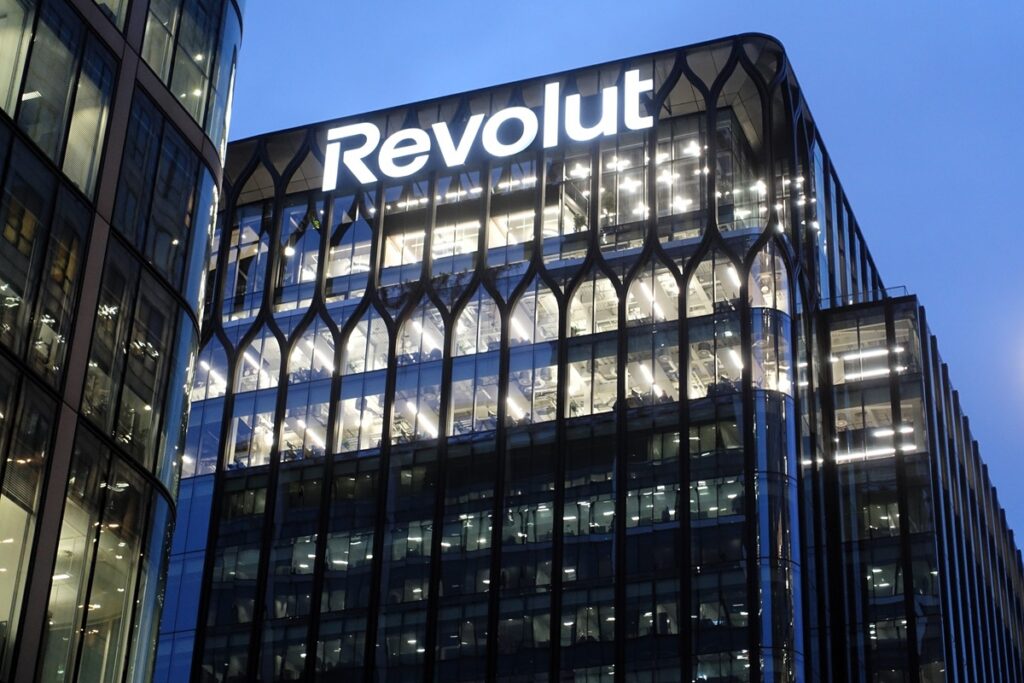
Revolut moves beyond digital banking with plans for its first physical store in Spain Credit :Peter_Fleming, Shutterstock
Revolut has built its name on doing banking through a phone screen. Now it is trying something very different. The company has confirmed plans to open its first permanent physical store in Barcelona, marking a new chapter for one of Europe’s best known fintech brands. For customers in Spain, it means a business once associated almost entirely with apps, cards and instant transfers is now preparing to meet people face to face.
The decision is striking because Revolut grew by offering the opposite of traditional banking. No branch visits, no paperwork heavy experience, no need to queue. Yet after years of rapid growth, the company appears to believe that even in a digital age, people still value having somewhere real they can walk into.
Barcelona will be the first place to test that idea.
Why Barcelona got the first store
Revolut says the Catalan capital stood out for a combination of local demand, global visibility, tourism and innovation.
That is easy to understand. Barcelona is one of Europe’s most visited cities, with millions of tourists each year, a large international population and a strong tech scene. It is also a city where people are used to paying by phone, using digital services and managing life through apps.
For a company that built its success on travel spending, currency exchange and cross border money management, Barcelona offers the right audience.
There is also the image factor. Opening a first flagship style space in a city recognised worldwide gives the move more impact than a quieter location ever could.
What customers can expect
Revolut has already said the site will not be a classic bank branch.
So customers should not expect rows of desks, numbered tickets or the feel of an old high street bank. The company describes it as a visible and immersive space, suggesting something more modern and brand led.
While exact services have not yet been confirmed, the store is likely to focus on helping people understand and use Revolut products, rather than handling every type of banking task in person.
That could include account support, product guidance, card issues, premium memberships or help for new customers who want to sign up with someone there to assist.
Many users are happy doing everything on their phone until a problem appears. At that point, having a real place can feel very valuable.
Why digital banks are changing course
For years, fintech firms sold convenience above all else.
Everything faster.
Everything simpler.
Everything online.
That still appeals to millions of people. But once a company moves beyond spending cards and transfers into loans, savings and more complex financial products, expectations shift.
People often become more cautious when larger sums of money are involved. They want quick chat support, yes, but sometimes they also want a human conversation.
That does not mean the app model failed. It means mature fintech firms are learning that convenience and trust are not rivals. Customers often want both.
A physical presence can help deliver that.
Spain is clearly important to Revolut
This is not just a store opening. It also reflects how important Spain has become to the company.
Revolut has identified Spain as one of its strongest European markets, alongside countries such as France and Poland. It has also announced wider expansion plans, including new offices and more jobs.
Barcelona is expected to gain hundreds of roles over the coming years, while Madrid is also set for growth. That suggests Spain is no longer simply a place where people download the app. It is becoming part of the company’s long term structure.
For local workers in technology, operations, customer service and compliance, that could create fresh opportunities.
Still growing at speed
The timing is no coincidence. Revolut recently reported another strong year, with rising revenue and higher profits. Lending has grown quickly, and the company now offers a much broader range of services than it did at launch.
It started as a useful tool for spending abroad and exchanging currencies.
Now it wants to compete more directly with mainstream banks. That includes accounts, loans, business services and other financial products depending on the market. As the offer becomes broader, the case for visible customer spaces becomes stronger too.
When will it open
Revolut has not confirmed the exact location or opening date. The company says the project remains in an early phase and depends on construction progress. In other words, the plan is real, but customers may need to wait a little longer before doors open. That uncertainty is common with first projects of this kind.
What matters now is the signal it sends.
What it could mean next
If Barcelona proves successful, it is hard to imagine the company stopping there. Madrid would be an obvious next option. Paris, London and Warsaw could also fit the model.
Nothing else has been announced, but businesses rarely test an idea like this with no wider ambition.
For years, traditional banks tried to persuade customers to go digital. Now one of Europe’s most successful digital finance companies is going physical.
That may tell us something important about what customers still want, even in 2026.
Follow Euro Weekly News on Google News
Get breaking news from Spain, travel updates, and expat stories directly on your Google News feed.
Follow on Google NewsSign up for personalised news
Subscribe to our Euro Weekly News alerts to get the latest stories into your inbox!
By signing up, you will create a Euro Weekly News account if you don't already have one. Review our Privacy Policy for more information about our privacy practices.




Farah Mokrani
Farah is a journalist and content writer with over a decade of experience in both digital and print media. Originally from Tunisia and now based in Spain, she has covered current affairs, investigative reports, and long-form features for a range of international publications. At Euro Weekly News, Farah brings a global perspective to her reporting, contributing news and analysis informed by her editorial background and passion for clear, accurate storytelling.
Comments