€13.3 million compensation ordered in Spain’s largest medical negligence case
By Molly Grace • Published: 04 May 2026 • 17:23 • 3 minutes read
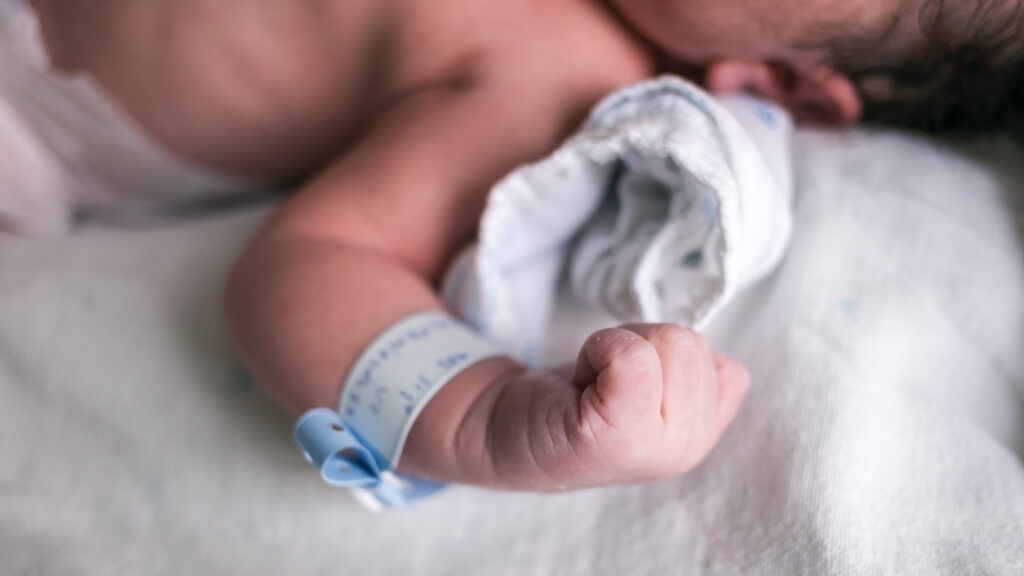
The court identified several failures in the management of the birth. Photo credit: Jeerapong Tosa-ngad/Shutterstock
A court in Spain has ordered a public hospital to pay €13.3 million in compensation following a medical negligence case involving injuries sustained during childbirth. The ruling, reported as the highest compensation awarded for medical negligence in the country, relates to a birth that took place in November 2019 at the Hospital of Sagunto in the Valencia region.
The case concerns a child who suffered severe neurological damage during labour. According to the judgment, the injuries were caused by a lack of oxygen, known as hypoxia, before delivery. The damage has resulted in permanent disability requiring long-term medical and personal support.
Findings of the court on medical care
The court identified several failures in the management of the birth. These included inadequate monitoring of the foetus during labour and a failure to respond appropriately to signs of distress. Medical staff did not act within the required timeframe despite indications that the situation had become critical.
The ruling also refers to delays in performing an urgent caesarean section. This delay was considered a decisive factor in the outcome. In addition, the use of delivery instruments was judged to have been inappropriate in the circumstances.
Taken together, these failings were found to have fallen below accepted clinical standards. The court concluded that they directly contributed to the hypoxic injury sustained by the child.
The judgment was issued by a court in Madrid, although the events took place in the Valencia region. The hospital involved forms part of the public healthcare system.
Long-term impact on the child
The injuries sustained have led to serious and lasting medical conditions. The child has been diagnosed with cerebral palsy and epilepsy and has a high level of physical and cognitive impairment.
As a result, continuous care is required in all areas of daily life. This includes assistance with mobility, communication and basic needs. The level of dependency means that supervision is necessary on a permanent basis.
The compensation awarded is intended to cover these needs over the course of the child’s lifetime. It includes provision for ongoing medical treatment, rehabilitation and specialist therapies. The award also accounts for assistive equipment, adapted housing and the cost of professional care.
Basis for the compensation amount
The €13.3 million figure reflects an assessment of the financial impact of the injuries. Courts in Spain calculate compensation in such cases by estimating the cost of care, treatment and support over time.
In this case, the scale of the award is linked to the severity of the disability and the expectation that assistance will be required throughout the individual’s life. The amount is higher than previous awards in comparable cases, establishing it as the largest known compensation for medical negligence in Spain.
The calculation also takes into account non-financial factors, including the loss of independence and the limitations placed on quality of life.
Legal context and possible appeal
The case was brought on behalf of the child and family through civil proceedings. The court examined whether the care provided met accepted medical standards and whether failures in that care caused the injury.
The ruling may still be subject to appeal. If this occurs, a higher court will review the findings and determine whether the decision should be upheld or modified.
Cases of this nature require clear evidence of both negligence and a direct link to harm. Where both are established, courts may award compensation intended to address long-term consequences.
Significance of the ruling
The decision highlights the consequences of failures in maternity care when complications arise during labour. It also reflects how courts in Spain assess responsibility in cases involving serious birth injuries.
The amount awarded sets a reference point for future claims involving similar circumstances. It reflects the court’s assessment of the level of care required and the impact of the injuries on the child’s life.
The ruling also underlines the importance of timely intervention when there are signs of foetal distress. Delays or incorrect decisions during labour can have lasting consequences, as demonstrated in this case.
Sign up for personalised news
Subscribe to our Euro Weekly News alerts to get the latest stories into your inbox!
By signing up, you will create a Euro Weekly News account if you don't already have one. Review our Privacy Policy for more information about our privacy practices.





Molly Grace
Molly is a British journalist and author who has lived in Spain for over 25 years. With a background in animal welfare, equestrian science, and veterinary nursing, she brings curiosity, humour, and a sharp investigative eye to her work. At Euro Weekly News, Molly explores the intersections of nature, culture, and community - drawing on her deep local knowledge and passion for stories that reflect life in Spain from the ground up.
Comments