Spain is no longer a nation of homeowners as ownership falls faster than in most of Europe
By Farah Mokrani • Published: 04 May 2026 • 17:04 • 4 minutes read
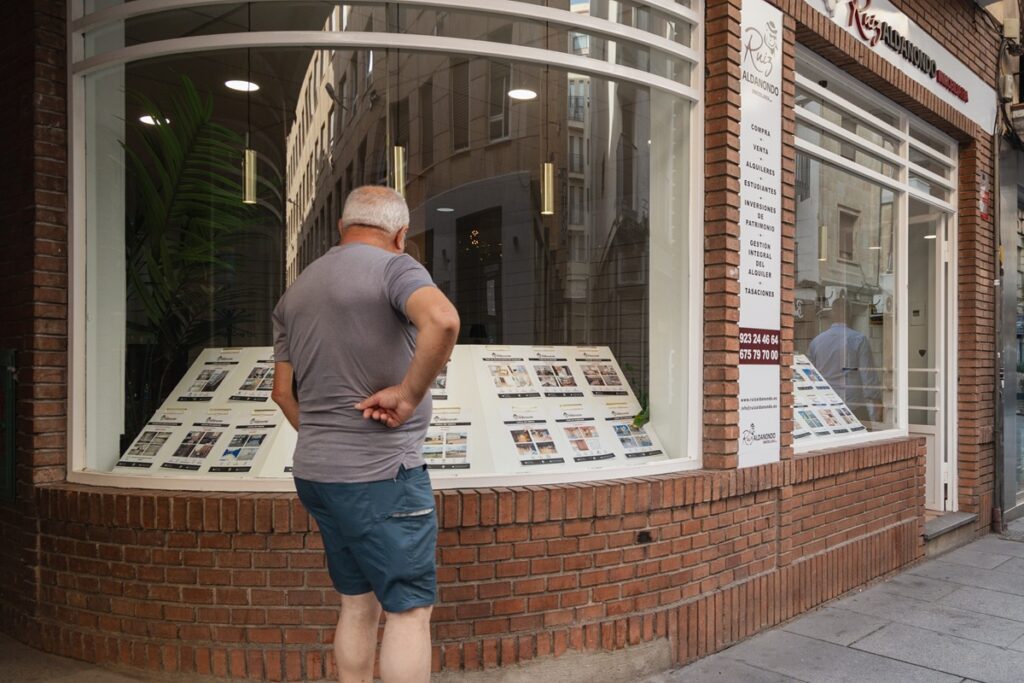
Rising prices and fewer buyers are reshaping Spain’s housing market Credit : Victor Sanchez G, Shutterstock
If you feel like buying a home in Spain has become harder than ever, the numbers now confirm it. Spain is among the EU countries where homeownership has fallen the most, and it is the only one of the bloc’s major economies where the drop has been so clear over the past two decades.
While other countries have managed to keep ownership stable or even increase it, Spain has quietly moved in the opposite direction. The change is not sudden, but it is steady and it is now reshaping how people live, rent and plan their future.
How Spain went from ownership to renting over time
Not that long ago, owning a home in Spain was the norm.
In 2007, just before the financial crisis, around 80.6 per cent of households owned the property they lived in. By 2025, that figure had fallen to 73.6 per cent, according to Eurostat data. That is a drop of seven percentage points.
On paper, that might not sound dramatic. In reality, it represents a major shift affecting millions of households.
What is striking is how consistent the trend has been. This is not a short term dip linked to a single crisis. Ownership has been gradually declining for years, with no real recovery.
Spain now sits among the countries with the biggest falls in ownership across the European Union.
Why fewer people in Spain are buying homes
There is no single explanation, but several factors keep coming up.
The most obvious one is price. In many parts of Spain, especially big cities and coastal areas, property prices have risen sharply. At the same time, wages have not followed at the same pace. For many people, saving for a deposit has become a long and difficult process.
Access to mortgages has also changed. Banks are more cautious than they were before the financial crisis, and the conditions to secure a loan are stricter.
For younger buyers, this creates a double barrier. High prices on one side and tougher lending rules on the other.
At the same time, renting has become more common. What used to be seen as a temporary step is now, for many, a long term solution.
There is also a shift in how people think about housing. Some prefer the flexibility of renting, especially in cities where work and lifestyle can change quickly. But for many others, renting is not a choice. It is simply the only option available.
How Spain compares with the rest of Europe
The European picture tells an interesting story. Across the EU, the situation is mixed. Some countries have seen ownership fall, but others have moved in the opposite direction.
In France, Italy and the Netherlands, ownership has actually increased slightly over the same period. In parts of eastern Europe, ownership rates are even higher than in Spain.
Countries such as Slovakia, Romania, Hungary and Poland report very high levels of homeownership, often close to or above 90 per cent.
Poland, in particular, has seen a strong rise over the past years.
Among the EU’s largest economies, Spain stands out for the scale of its decline. Germany has also seen a drop, but from a much lower starting point.
In Spain, the change feels more significant because it moves away from a long established culture where owning a home was almost expected.
What this shift means for everyday life
The impact is already visible. More renters means more pressure on the rental market. Demand increases, supply struggles to keep up and prices rise. That makes it even harder for people to save and eventually buy.
It also changes how people think about their future. For many families, owning a home was a form of security. It was something to pass on or rely on later in life.
Now, that path is less certain. Younger generations are entering a different reality. Buying later, or not buying at all, is becoming more common.
This also affects mobility. Renting can make it easier to move for work, but it can also create instability if contracts are short or prices increase.
Why the comparison with Europe matters
It is often said that housing problems are affecting the whole of Europe, and that is partly true. Many countries are dealing with rising prices and limited supply. But when you look at ownership levels, the differences become clear.
Spain is not just following a general European trend. It is moving further away from it. While some countries have managed to protect or even grow ownership, Spain has seen a steady decline.
That raises questions about what is driving the difference. Economic factors, housing supply, lending rules and national policies all play a role.
The result, for now, is clear. Spain is no longer the country of homeowners it once was.
Where things could go from here
What happens next will depend on how the housing market evolves. Access to finance, new housing supply and changes in demand will all influence whether ownership stabilises or continues to fall.
For now, there is no sign of a quick reversal. The trend has been building over years, and it is now shaping the way people live across the country.
For many, the idea of owning a home remains important. But reaching that goal has become more difficult. And for a growing number of households, renting is no longer a step along the way. It is the destination.
Sign up for personalised news
Subscribe to our Euro Weekly News alerts to get the latest stories into your inbox!
By signing up, you will create a Euro Weekly News account if you don't already have one. Review our Privacy Policy for more information about our privacy practices.




Farah Mokrani
Farah is a journalist and content writer with over a decade of experience in both digital and print media. Originally from Tunisia and now based in Spain, she has covered current affairs, investigative reports, and long-form features for a range of international publications. At Euro Weekly News, Farah brings a global perspective to her reporting, contributing news and analysis informed by her editorial background and passion for clear, accurate storytelling.
Comments