€1.3 billion tourism boost forecast for rural Spain during upcoming eclipses
By Molly Grace • Published: 05 May 2026 • 23:26 • 3 minutes read
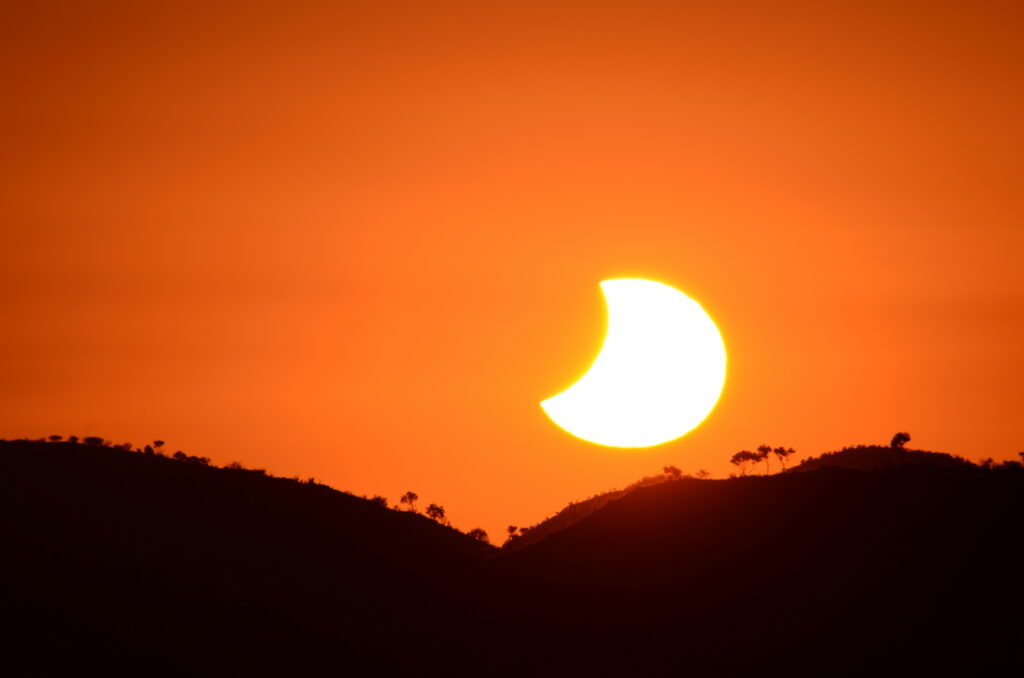
The sequence of three eclipses over a relatively short period is unusual. Photo credit: Shane Ocean/Shutterstock
Rural areas across Spain are expected to benefit from more than €1.3 billion in tourism spending over the next three years as a result of a rare sequence of solar eclipses visible across the country. The projections are linked to three major astronomical events between 2026 and 2028, often referred to as the “Iberian trio”.
The eclipses will take place in August 2026, August 2027 and January 2028, with large parts of Spain offering favourable viewing conditions. The first of these, a total solar eclipse on August 12, is expected to draw significant numbers of domestic and international visitors.
Estimates reported by the EFE indicate that the combined economic impact of the three events could exceed €1.3 billion, with spending spread across accommodation, transport, hospitality and related services.
Short-term rentals expected to meet demand
A substantial share of this activity is expected to be concentrated in rural areas, where visibility conditions are often better and light pollution is lower. However, these areas typically have fewer hotels, meaning that short-term tourist rentals are likely to play a central role in accommodating visitors.
Data referenced by Airbnb, based on analysis by Analistas Financieros Internacionales, suggests that demand for rural accommodation is expected to rise sharply during the eclipse periods. Many smaller towns and villages are already preparing for increased visitor numbers.
The first eclipse alone could generate around €360 million in tourism-related spending within a single week, according to estimates reported by Europa Press. This surge is expected to place pressure on accommodation supply in areas along the path of totality.
Regions likely to see the strongest impact
The economic effects are expected to be unevenly distributed, depending on viewing conditions and accessibility. Regions such as the Valencian Community, Castilla and León and Aragon are among those identified as having favourable conditions for observing the eclipses.
Parts of inland Spain, where skies are typically clearer in summer, are also expected to attract visitors seeking optimal viewing locations. In contrast, coastal areas may see more variable conditions depending on weather patterns.
Local authorities and tourism bodies in affected regions are beginning to plan for the events, with a focus on managing visitor flows and ensuring sufficient accommodation and services.
Local economies prepare for increased visitors
For rural communities, the expected influx of visitors represents a potential source of income during periods that are not always part of the peak tourist season. Accommodation providers, restaurants and local businesses are likely to benefit from increased demand.
At the same time, the short duration of the events presents logistical challenges. The peak period for each eclipse is expected to last only a few days, requiring local services to manage a temporary but significant rise in population.
Transport infrastructure may also come under pressure, particularly in smaller municipalities with limited road capacity. Authorities have indicated that coordination between local and regional administrations will be important to manage traffic and ensure safety.
Astronomical events drive travel patterns
Solar eclipses have previously been shown to influence travel behaviour, with observers often willing to travel considerable distances to view them. Spain’s geographic position and climate make it a favourable location for the upcoming events, increasing its appeal as a destination.
The sequence of three eclipses over a relatively short period is unusual, which contributes to the level of interest. Tourism operators have reported early signs of increased enquiries for accommodation in areas expected to offer clear views.
Outlook for the coming years
The projected €1.3 billion in spending reflects the cumulative impact of the three eclipses rather than a single event. While the exact distribution of visitors will depend on weather conditions and travel trends, the figures indicate a notable opportunity for rural tourism.
Short-term rentals are expected to play a key role in meeting demand, particularly in areas where traditional hotel capacity is limited. This could result in a broader spread of visitors across smaller towns and villages.
As preparations continue, the eclipses are expected to bring a temporary but measurable increase in tourism activity. For rural Spain, the events provide an opportunity to attract visitors and generate income over a defined period, supported by a combination of natural conditions and available accommodation.
Sign up for personalised news
Subscribe to our Euro Weekly News alerts to get the latest stories into your inbox!
By signing up, you will create a Euro Weekly News account if you don't already have one. Review our Privacy Policy for more information about our privacy practices.


Molly Grace
Molly is a British journalist and author who has lived in Spain for over 25 years. With a background in animal welfare, equestrian science, and veterinary nursing, she brings curiosity, humour, and a sharp investigative eye to her work. At Euro Weekly News, Molly explores the intersections of nature, culture, and community - drawing on her deep local knowledge and passion for stories that reflect life in Spain from the ground up.
Comments