Electricity theft in Spain equals annual demand of Barcelona and Sevilla
By Molly Grace • Published: 05 May 2026 • 21:38 • 3 minutes read
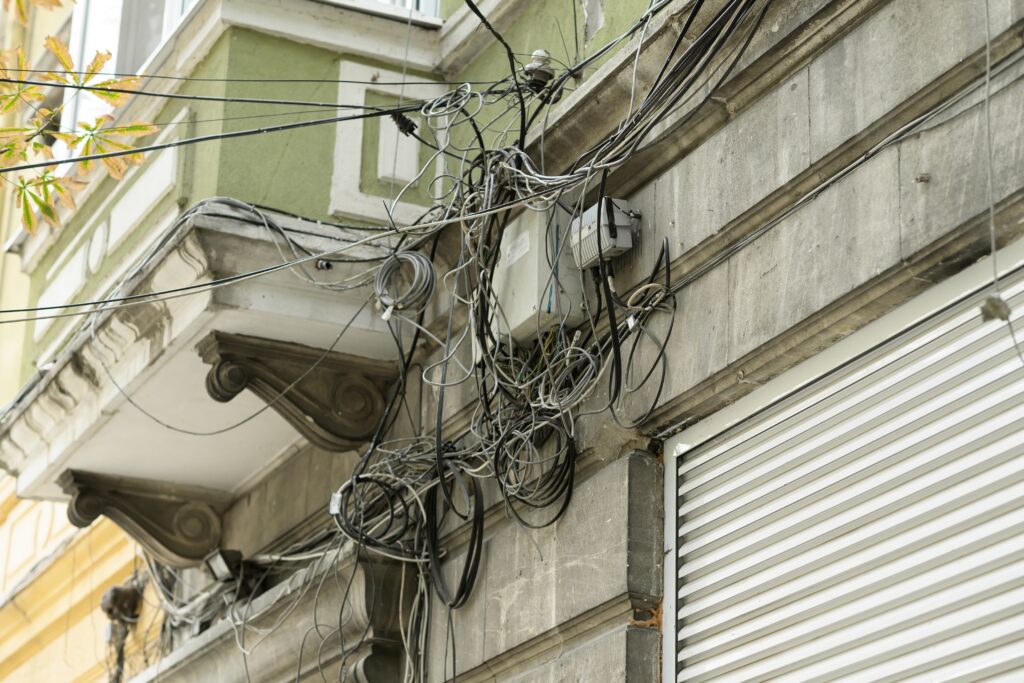
Urban and suburban zones with dense housing and older infrastructure are often more affected. Photo credit:VisualMediaHub/Shutterstock
Electricity stolen across Spain over the past five years has reached levels equivalent to the combined annual consumption of Barcelona and Sevilla, according to data from the energy company Endesa. The figures are based on fraud detected within Endesa’s distribution network and indicate that illegal connections and meter tampering continue to represent a significant issue for the country’s electricity system.
Over the five-year period, the volume of stolen electricity is also estimated to be equivalent to the annual consumption of more than one million homes. Electricity theft, known in Spain as fraude eléctrico, typically involves bypassing meters, manipulating installations or making unauthorised connections to the grid. While it can occur in individual households, energy providers report that the highest consumption is often linked to large-scale illegal activities.
Concentration in specific areas and activities
According to Endesa, a substantial proportion of detected electricity theft is associated with illicit indoor cannabis plantations, which require continuous high levels of power for lighting, ventilation and climate control systems. These operations can consume as much electricity as dozens of standard households.
The company has identified several areas with higher concentrations of fraud, particularly in parts of Cataluña, Andalucía and Madrid, although cases are reported across the country. Urban and suburban zones with dense housing and older infrastructure are often more affected. Electricity theft not only results in financial losses for energy companies but also places strain on local networks. Unauthorised connections can overload transformers and distribution lines, increasing the risk of outages and equipment damage for nearby legal users.
Impact on consumers and infrastructure
The cost of electricity fraud is ultimately reflected in the system as a whole. While companies pursue recovery of losses through legal action, part of the financial impact can be absorbed within overall operating costs, which are indirectly linked to consumer pricing structures. In addition to economic effects, there are safety concerns. Illegal connections are frequently made without proper safeguards, raising the risk of electrical fires, short circuits and damage to buildings.
Authorities have warned that these installations can pose a danger not only to those involved but also to neighbours and emergency services. Endesa and other operators regularly carry out inspections and monitoring to detect irregular consumption patterns. Advanced metering systems and data analysis are increasingly used to identify anomalies that may indicate fraud.
Enforcement and prevention measures
Spanish law treats electricity theft as a criminal offence, with penalties ranging from fines to prison sentences depending on the scale and circumstances of the fraud. Cases linked to organised criminal activity, including drug cultivation, are subject to more severe prosecution. Energy companies work alongside law enforcement agencies to dismantle illegal connections and prosecute offenders. Operations often involve coordinated inspections of properties where unusually high consumption has been detected.
Preventive measures also include public awareness campaigns aimed at highlighting the risks and consequences of electricity theft. Authorities encourage residents to report suspected illegal connections, particularly where they may affect the safety of shared buildings or neighbourhood infrastructure.
Scale of the problem over time
The comparison with the combined electricity demand of Barcelona and Sevilla provides a clear indication of the scale involved. Both cities have large populations and significant commercial activity, making them useful benchmarks for understanding national consumption levels.
Over a five-year period, the cumulative volume of stolen electricity has therefore reached a level comparable to powering two of Spain’s major urban centres for an entire year. This places electricity fraud among the more significant challenges faced by the country’s energy distribution system.
Ongoing monitoring and outlook
Energy providers have indicated that efforts to detect and reduce electricity theft will continue, with increased use of digital monitoring tools and closer coordination with authorities. The aim is to limit the impact on infrastructure, improve safety and reduce losses within the network.
For consumers, the issue remains largely indirect but can affect service reliability in areas where networks are under strain. Maintaining stable supply depends on ensuring that electricity is distributed and used within regulated conditions.
The latest figures underline the scale of the issue and the need for continued enforcement. While most households and businesses use electricity legally, the volume of fraud detected over recent years shows that unauthorised consumption remains a persistent problem across parts of Spain.
Sign up for personalised news
Subscribe to our Euro Weekly News alerts to get the latest stories into your inbox!
By signing up, you will create a Euro Weekly News account if you don't already have one. Review our Privacy Policy for more information about our privacy practices.





Molly Grace
Molly is a British journalist and author who has lived in Spain for over 25 years. With a background in animal welfare, equestrian science, and veterinary nursing, she brings curiosity, humour, and a sharp investigative eye to her work. At Euro Weekly News, Molly explores the intersections of nature, culture, and community - drawing on her deep local knowledge and passion for stories that reflect life in Spain from the ground up.
Comments