Spain breaks record with 677 Blue Flag beaches in 2026 as Andalucía leads the way
By Molly Grace • Published: 05 May 2026 • 16:51 • 3 minutes read
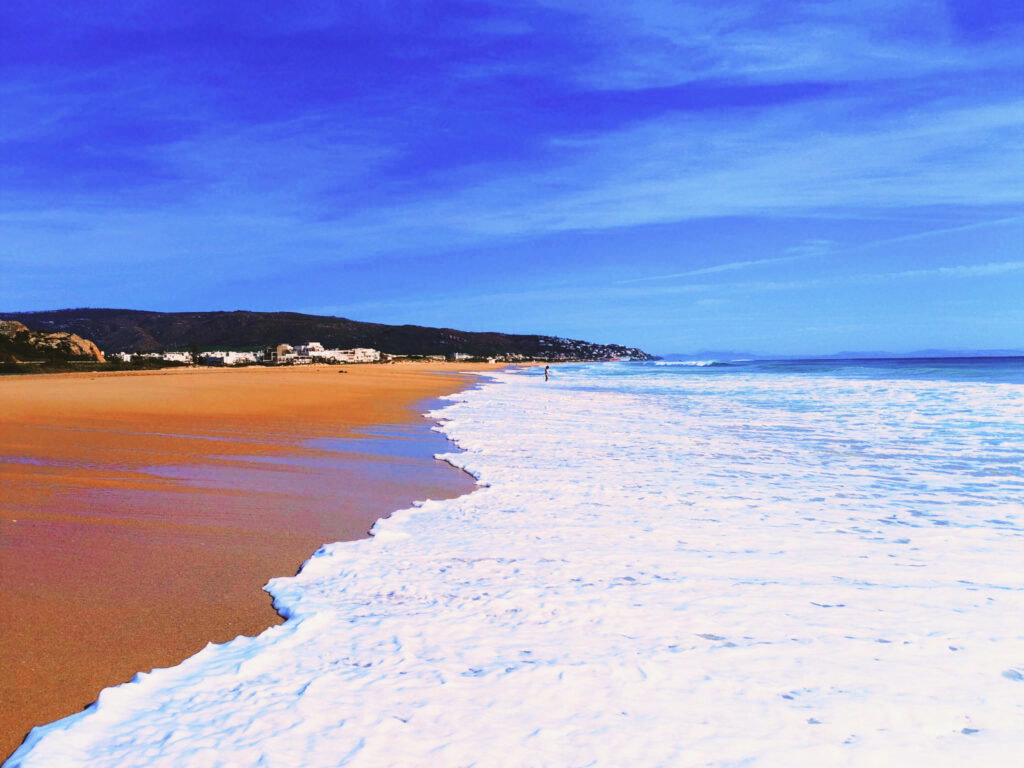
Beaches across Andalucia's costal areas have been recognised. Photo credit: Alexander Sánchez
Spain has reached a new milestone in coastal quality, with 677 beaches awarded the Blue Flag for 2026, an increase of 35 compared with the previous year. The figures, confirmed by the Association for Environmental and Consumer Education, place the country at the top of the global ranking for Blue Flag beaches, a position it has held consistently for several decades.
The Blue Flag is an internationally recognised certification managed by the Foundation for Environmental Education. It is awarded annually to beaches and marinas that meet strict criteria covering water quality, environmental management, safety, accessibility and the availability of services. Spain’s total represents more than 15 per cent of all Blue Flag beaches worldwide, highlighting both the extent of its coastline and the sustained effort required to maintain standards across hundreds of locations.
Regional leaders dominate the rankings
As in previous years, the highest number of Blue Flag beaches are concentrated along Spain’s Mediterranean and Atlantic coasts. The Valencian Community continues to lead the ranking, followed by Andalucía and Galicia.
In Andalucía, beaches across all five coastal provinces have been recognised:
In Málaga, those awarded include La Malagueta, La Caleta, El Cable, Puerto Banús and Cabopino, all of which remain popular with both residents and visitors.
In Cádiz, the designation applies to virtually all their beaches including: Zahara de los Atunes, El Palmar, La Victoria, La Barrosa and Valdelagrana. These beaches are known for their size, accessibility and consistent water quality.
In Almería, recognised beaches include San Miguel de Cabo de Gata and El Toyo, while Granada includes Velilla and Puerta del Mar.
In Huelva, beaches such as Islantilla, Punta Umbría and Matalascañas have also retained Blue Flag status.
Elsewhere, regions including Cataluña, the Canary Islands and the Balearic Islands continue to record high numbers of certified beaches. Popular destinations such as Benidorm, Marbella and Sanxenxo maintain multiple awards. The overall distribution reflects a combination of large tourist centres and smaller coastal towns, many of which depend on the designation to support seasonal visitor numbers and maintain local employment. Click here to see the full list
What the Blue Flag represents
To qualify for a Blue Flag, beaches must meet a comprehensive set of requirements. These include:
- Excellent bathing water quality, tested regularly throughout the season
- Clear information for visitors about environmental conditions and local ecosystems
- Adequate safety measures, including lifeguards and first aid equipment
- Accessibility for people with reduced mobility
- Proper waste management and clean facilities
The programme also encourages environmental education, with many municipalities organising awareness activities during the summer months. Information boards, signage and local initiatives form part of the criteria and are assessed regularly.
Failure to maintain these standards can result in the temporary or permanent withdrawal of the flag, meaning local authorities must ensure ongoing compliance rather than a one-off assessment.
What this means for residents and visitors
For residents, the increase in Blue Flag beaches reflects continued investment in coastal infrastructure and public services. Clean water, well-maintained promenades and reliable facilities are part of everyday use in many coastal areas, not only during the tourist season.
For visitors, the designation offers a clear and recognisable standard when selecting destinations. Spain remains one of the most visited countries in the world, and the presence of a Blue Flag provides reassurance regarding safety, cleanliness and environmental management.
The growth in certified beaches is also expected to benefit local economies. Coastal municipalities often rely on seasonal tourism, and the award can influence visitor choices, contributing to longer stays and increased spending in nearby businesses.
Outlook for the summer season
With the summer season approaching, monitoring of beach conditions is expected to continue at local and regional level. Water quality testing, safety provision and maintenance work remain essential to retaining the designation throughout the bathing season.
The increase to 677 Blue Flag beaches indicates that Spain’s approach to coastal management continues to produce consistent results. For residents and tourists alike, the 2026 figures reinforce the country’s position as a leading destination for beaches that meet recognised international standards.
Follow Euro Weekly News on Google News
Get breaking news from Spain, travel updates, and expat stories directly on your Google News feed.
Follow on Google NewsSign up for personalised news
Subscribe to our Euro Weekly News alerts to get the latest stories into your inbox!
By signing up, you will create a Euro Weekly News account if you don't already have one. Review our Privacy Policy for more information about our privacy practices.





Molly Grace
Molly is a British journalist and author who has lived in Spain for over 25 years. With a background in animal welfare, equestrian science, and veterinary nursing, she brings curiosity, humour, and a sharp investigative eye to her work. At Euro Weekly News, Molly explores the intersections of nature, culture, and community - drawing on her deep local knowledge and passion for stories that reflect life in Spain from the ground up.
Comments
Reme´ Lacoute
06 May 2026 • 16:19I am genuinely surprised by all these Blue Flag beaches because we know quite a few beaches have had various spillages of sewage so hopefully the Spanish tradition of paying off local officials is not involved.
Comments are closed.