Spanish drivers face new roadside fuel checks that could lead to €6,000 fines
By Farah Mokrani • Published: 30 May 2026 • 12:54 • 3 minutes read
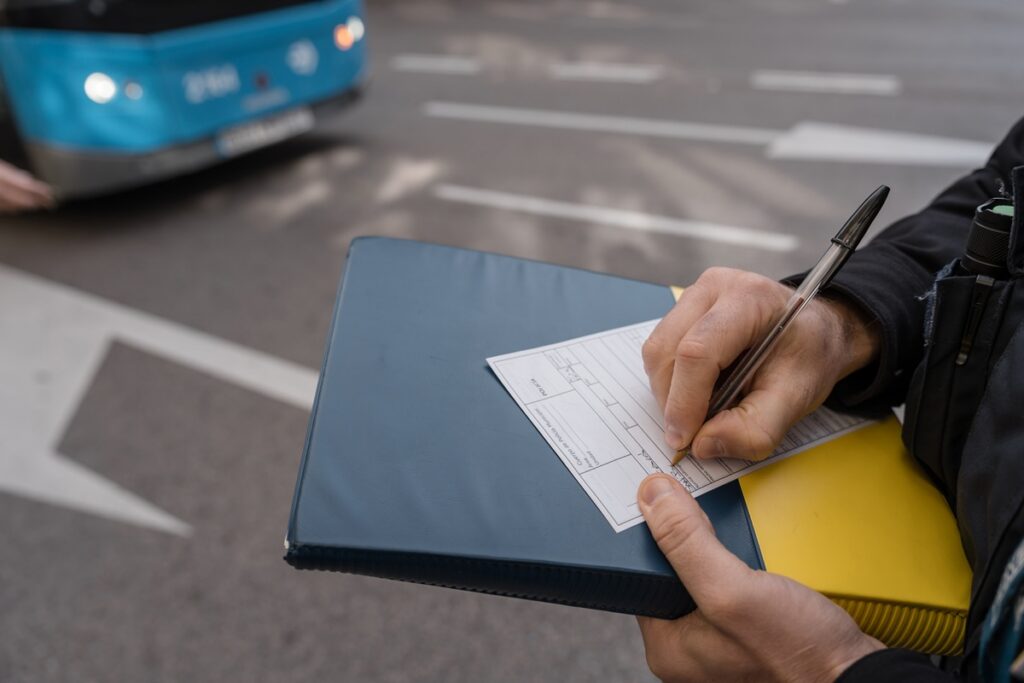
Roadside fuel inspections are being introduced as authorities step up checks on illegal diesel use. Credit : Jota Buyinch Photo, Shutterstock
Most drivers expect a roadside stop to be about speeding, paperwork or perhaps a breathalyser test. Very few expect an officer to take an interest in what is sitting inside their fuel tank.
Yet that is exactly what some motorists are now encountering in Spain.
The Guardia Civil has begun carrying out roadside fuel inspections aimed at identifying vehicles using subsidised diesel without authorisation. The checks have already been reported in Guadalajara, where officers have stopped vehicles and taken fuel samples as part of an operation targeting the misuse of discounted fuel intended for specific professional sectors.
For the vast majority of drivers, the inspections are unlikely to cause any problems.
But for those using fuel they should not have access to, the consequences can be expensive, with fines ranging from hundreds to thousands of euros.
The initiative comes as authorities increase efforts to tackle fuel related tax fraud, particularly following reports that some service stations were illegally supplying subsidised diesel to customers who did not qualify for it.
Why officers are suddenly interested in what is inside your fuel tank
The fuel at the centre of these inspections is known in Spain as Gasóleo B.
Many people have heard the term without really knowing what it means.
Despite the different name, it is not a special fuel designed for different engines. In practical terms, a vehicle runs perfectly normally on it.
The difference is financial. Gasóleo B benefits from a more favourable tax treatment than ordinary diesel. Because of that tax advantage, its use is restricted to specific categories established by Spanish law.
Authorities say some drivers have been tempted to take advantage of the lower price, especially during periods when fuel costs have risen sharply.
The problem, from the government’s perspective, is that the system was never intended to provide cheaper fuel for private motorists.
It was created to support specific sectors, particularly professional transport and agriculture.
As a result, using it without authorisation is treated as a form of tax fraud rather than a simple fuel violation.
That is why the Guardia Civil is now paying closer attention.
How the roadside inspections actually work
The checks are not carried out on every vehicle. Officers position themselves at selected locations and stop motorists as part of targeted operations.
A routine inspection can quickly become more detailed if something attracts attention.
According to reports from the inspections already carried out, officers may examine the fuel filler area and look for indications suggesting the vehicle could be using subsidised diesel.
If they believe further verification is necessary, they can legally collect a fuel sample from the tank.
That may sound surprising to many drivers, but the procedure is authorised under Spanish regulations.
The reason it works is relatively simple.Gasóleo B contains a coloured identifying marker that allows authorities to distinguish it from standard diesel during analysis.
To the average driver, the fuel may appear ordinary.To inspectors, however, the marker makes identification possible.
If testing confirms the presence of subsidised diesel in a vehicle not authorised to use it, authorities can begin sanction procedures.
The penalties are significant.Fines can range from €600 to €6,000 depending on the circumstances and severity of the offence.
Although no licence points are lost, the financial impact can be considerable.
The service stations involved may face even more serious consequences, including substantial economic sanctions and possible closure if illegal sales are proven.
Who is actually allowed to use subsidised diesel in Spain?
One reason these inspections attract attention is that many drivers remain uncertain about who can legally use Gasóleo B.
The answer is more limited than many people realise.Spanish regulations reserve the fuel for specific professional activities.
Eligible users include certain heavy goods vehicles involved in road freight transport, authorised passenger transport services and licensed taxis that meet the relevant conditions.
Agricultural machinery also benefits from a separate subsidised fuel system designed for the farming sector.
To access these schemes legally, users must comply with administrative requirements and operate through systems that allow the Tax Agency to monitor fuel consumption and apply the appropriate tax benefits.
Private motorists do not fall within those categories.That is why authorities consider the misuse of subsidised diesel a serious issue.
As fuel prices continue to affect households and businesses alike, the temptation to look for cheaper alternatives remains.
The Guardia Civil’s latest inspections suggest authorities are determined to ensure that discounted fuel reaches only the sectors it was intended to support.
For most drivers, the new checks may never become more than a passing headline.
But they do mean that a routine roadside stop in Spain could now involve a question many motorists never expected to hear.
What’s in your fuel tank?
Follow Euro Weekly News on Google News
Get breaking news from Spain, travel updates, and expat stories directly on your Google News feed.
Follow on Google NewsSign up for personalised news
Subscribe to our Euro Weekly News alerts to get the latest stories into your inbox!
By signing up, you will create a Euro Weekly News account if you don't already have one. Review our Privacy Policy for more information about our privacy practices.




Farah Mokrani
Farah is a journalist and content writer with over a decade of experience in both digital and print media. Originally from Tunisia and now based in Spain, she has covered current affairs, investigative reports, and long-form features for a range of international publications. At Euro Weekly News, Farah brings a global perspective to her reporting, contributing news and analysis informed by her editorial background and passion for clear, accurate storytelling.
Comments