Thousands of ATMs are disappearing as banks introduce a new way to access cash
By Farah Mokrani • Published: 30 May 2026 • 11:58 • 3 minutes read
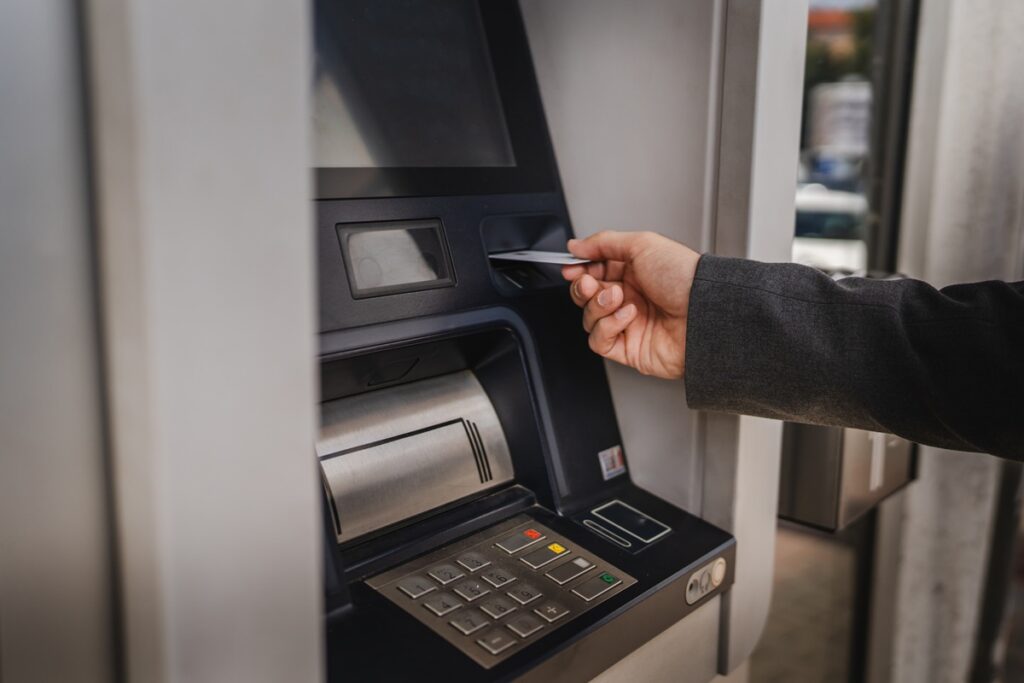
Traditional ATMs are gradually being replaced by new cash service machines in parts of Europe. Credit : Miljan Zivkovic, Shutterstock
For most people, a cash machine is something they barely think about.You need cash, you find an ATM. You take out some money and carry on with your day.
But in some parts of Europe, that familiar experience is starting to change.
Several major French banks have begun replacing traditional ATMs with a new type of machine that does far more than simply dispense cash. The move comes as fewer customers rely on notes and coins, while contactless payments, smartphones and digital wallets continue to reshape the way people manage their money.
The changes are already under way and thousands of traditional cash machines are expected to disappear as banks expand the new network.
For customers, the difference may seem small at first.For the banking sector, however, it marks a significant shift in how everyday services are delivered.
Why banks are moving away from traditional ATMs
The reality is that people use cash differently today than they did ten or twenty years ago.
Buying a coffee with a phone no longer feels unusual. Paying for groceries with a smartwatch barely attracts attention. Even small purchases that were once almost always paid for in cash are increasingly handled electronically.
As those habits change, banks are facing a simple question.
Does it still make sense to maintain large networks of traditional ATMs that are expensive to operate, refill, secure and repair?
In France, several major banking groups have decided the answer may be no.
BNP Paribas, Société Générale, Crédit Mutuel and CIC have joined forces to create a shared network known as Cash Services.
Rather than operating separate machines for each bank, customers from participating banks can use the same terminals.
Instead of maintaining several machines serving similar functions in the same area, banks can pool resources while continuing to provide access to cash and other services.
For customers, the goal is that the experience remains simple.Most people will not need to learn a completely new system.They will simply use a different machine.
What the new machines can do that many ATMs cannot
One reason banks are investing in the new terminals is that they offer more flexibility than many traditional cash machines.
With a standard ATM, customers typically withdraw money and perhaps check their balance.
The new Cash Services machines are designed to handle a wider range of tasks. Customers can withdraw cash, deposit cash and deposit cheques using the same machine.
When a card is inserted, the system recognises the customer’s bank and provides access to the relevant services.
From the customer’s perspective, the process remains familiar.The difference is largely happening behind the scenes.
Banks believe shared machines can provide broader coverage while reducing operating costs.
According to BNP Paribas, around 7,000 cash service points are expected to be deployed during 2026.They will be located both inside bank branches and in standalone locations.
At the same time, approximately 3,000 traditional ATMs are expected to be removed, particularly in urban and suburban areas where alternative access points already exist.
For many customers, the transition may happen without them even noticing.
One machine disappears, another appears and the services remain available.
Is this what the future of cash looks like?
Despite the rapid growth of digital payments, cash is far from disappearing. Many people still prefer carrying notes and coins for day to day spending.
Others keep cash for emergencies or simply because they find it easier to manage their budget that way and banks know this.
The French project is not about eliminating cash.It is about changing how people access it.
Every year there are predictions that cash will soon become obsolete, yet millions of Europeans continue using it regularly.
What is changing is the infrastructure surrounding it.The banking industry is trying to adapt to a world where customers expect digital convenience while still wanting physical access to their money when necessary.
France may simply be one of the first countries where that shift is becoming visible.
Whether similar systems spread across other European countries remains to be seen.Banks elsewhere are facing many of the same challenges.
Customers are withdrawing less cash.Operating costs remain high.Digital payments continue to grow. Those pressures are unlikely to disappear.
For now, cash machines are not vanishing overnight. You will still find ATMs on high streets, in shopping centres and inside bank branches.
But the familiar machine many people have used for years is gradually evolving into something different.
And the next time you walk into a bank and notice a new terminal where an old ATM once stood, there is a good chance you are looking at what banks believe will be the future of cash services.
Follow Euro Weekly News on Google News
Get breaking news from Spain, travel updates, and expat stories directly on your Google News feed.
Follow on Google NewsSign up for personalised news
Subscribe to our Euro Weekly News alerts to get the latest stories into your inbox!
By signing up, you will create a Euro Weekly News account if you don't already have one. Review our Privacy Policy for more information about our privacy practices.




Farah Mokrani
Farah is a journalist and content writer with over a decade of experience in both digital and print media. Originally from Tunisia and now based in Spain, she has covered current affairs, investigative reports, and long-form features for a range of international publications. At Euro Weekly News, Farah brings a global perspective to her reporting, contributing news and analysis informed by her editorial background and passion for clear, accurate storytelling.
Comments