Ryanair wants airport morning drinking restricted after surge in drunk passenger chaos on holiday flights
By Farah Mokrani • Published: 06 May 2026 • 21:36 • 3 minutes read
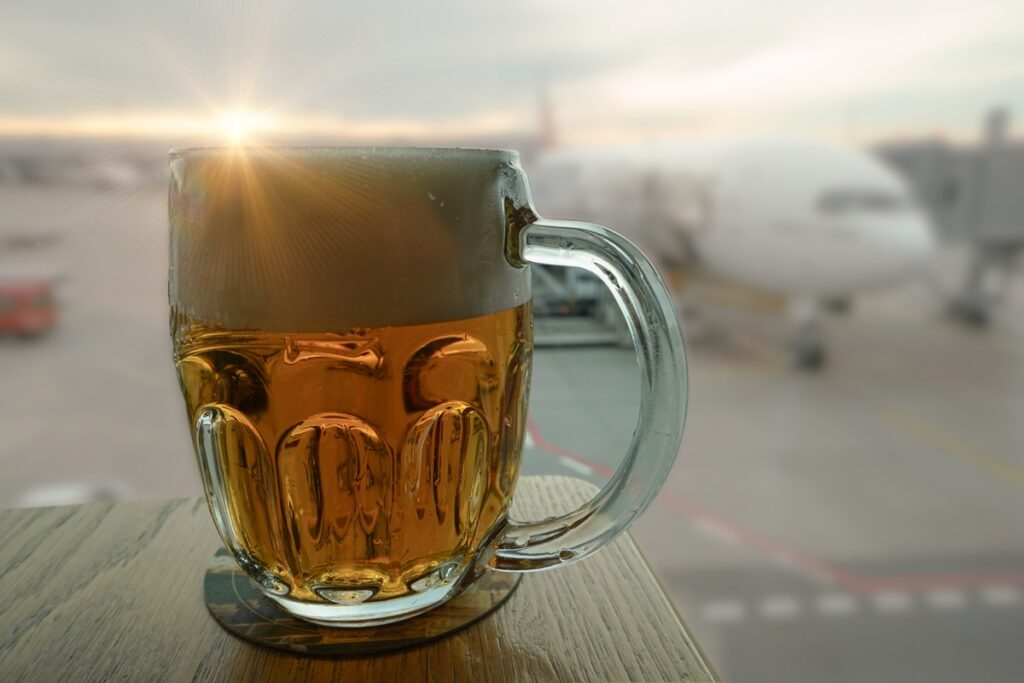
Ryanair wants tighter limits on airport alcohol sales before flights Credit : SAICHOL CHALEEWUN, Shutterstock
For many travellers, the airport pint before sunrise has become part of the holiday routine. Whether it is beer at 6am or prosecco before boarding, plenty of passengers see it as the official start of their trip. But Ryanair’s boss now says the situation is getting out of control and airlines are paying the price.
Michael O’Leary has called for restrictions on alcohol sales at airports after claiming disruptive passenger incidents have risen sharply in recent years. According to the Ryanair chief executive, the airline is now dealing with almost daily flight diversions linked to drunk or aggressive passengers.
And some of the routes repeatedly mentioned are among the most popular with British tourists travelling to Spain.
Ryanair says airport drinking is becoming a serious problem
O’Leary believes the issue starts long before passengers even board the aircraft.
Speaking about the growing number of incidents, he questioned why airport bars are allowed to serve alcohol so early in the morning, particularly during delays when passengers may spend hours waiting near departure gates.
Unlike pubs or bars outside airports, airside venues are not restricted by standard licensing hours. That means alcohol can legally be served at five or six in the morning.
For Ryanair, that flexibility has become part of the problem.
O’Leary says airlines are increasingly forced to handle passengers who arrive at the gate already intoxicated. He argues that cabin crews are then left managing situations created inside terminals rather than onboard aircraft.
The Ryanair boss has again pushed for a limit of two alcoholic drinks per passenger in airports, suggesting purchases could be tracked through boarding passes.
According to him, airlines themselves tend to apply stricter limits once passengers are already in the air.
Flights to Spain are among the routes most affected
While disruptive incidents happen across Europe, several routes involving Spain have repeatedly been linked to problems.
Flights from Britain to Ibiza, Alicante and Tenerife are understood to be among those where alcohol related disruptions occur most often, especially during busy holiday periods.
For many passengers, these are classic leisure routes where groups often arrive at the airport already in holiday mode.
Airlines say the situation becomes worse during delays, when passengers spend longer inside bars before departure.
O’Leary also claimed the issue is no longer linked only to alcohol. He said airlines are increasingly dealing with combinations of alcohol and drug use that can make behaviour far more unpredictable.
According to him, the atmosphere onboard has changed noticeably compared to ten years ago.
In the past, heavily intoxicated passengers were more likely to fall asleep during the flight. Now, airlines say aggressive behaviour and onboard confrontations are becoming more common.
Disruptive passengers can face huge consequences
Many travellers still underestimate how serious the consequences can become once a flight is disrupted. Being drunk onboard an aircraft is a criminal offence in the UK and passengers can face major fines or even prison sentences in serious cases.
If a flight has to divert because of disruptive behaviour, the costs quickly become enormous.
Passengers responsible can face airline bans, prosecution and compensation claims linked to diversion costs that sometimes reach tens of thousands of euros.
Industry campaigns already warn travellers about the risks, including potential fines, criminal charges and long term bans from flying with certain airlines.
Other UK airlines are also pushing for tougher measures.
Jet2, for example, has supported the idea of creating a shared national database that would allow disruptive passengers to be banned across multiple airlines rather than only one carrier.
The debate around airport alcohol restrictions has also intensified because disruptive incidents remain higher than before the pandemic.
Civil Aviation Authority figures reportedly show airlines are now dealing with hundreds more disruptive passenger incidents each year compared to pre Covid levels.
The airport pint debate is dividing travellers
The discussion is already creating strong reactions among passengers.
For many British holidaymakers, the airport drink is part of the experience and something associated with relaxation rather than disruption. Plenty of travellers manage it responsibly without causing any issues onboard.
Others, however, admit that some airports can feel increasingly chaotic during peak holiday periods, particularly on routes heading to party destinations.
The idea of limiting alcohol sales through boarding passes may sound extreme to some travellers, but airlines argue they are the ones left handling the consequences once passengers board.
Airports and aviation groups have so far focused mainly on awareness campaigns rather than strict restrictions. Industry organisations continue warning passengers about the legal and financial consequences of disruptive behaviour while insisting the vast majority of travellers behave responsibly.
Still, pressure for tighter rules appears to be growing.
For airlines, the concern is no longer only about comfort onboard. Diversions create delays, operational problems and major costs that affect everyone travelling on the aircraft. And as summer holiday traffic starts building again across Europe, the debate over the airport pint is unlikely to disappear anytime soon.
Sign up for personalised news
Subscribe to our Euro Weekly News alerts to get the latest stories into your inbox!
By signing up, you will create a Euro Weekly News account if you don't already have one. Review our Privacy Policy for more information about our privacy practices.





Farah Mokrani
Farah is a journalist and content writer with over a decade of experience in both digital and print media. Originally from Tunisia and now based in Spain, she has covered current affairs, investigative reports, and long-form features for a range of international publications. At Euro Weekly News, Farah brings a global perspective to her reporting, contributing news and analysis informed by her editorial background and passion for clear, accurate storytelling.
Comments