EU calls on Spain to scrap regulated electricity tariff as millions of residents face €240 rise
By Molly Grace • Published: 08 May 2026 • 16:23 • 3 minutes read
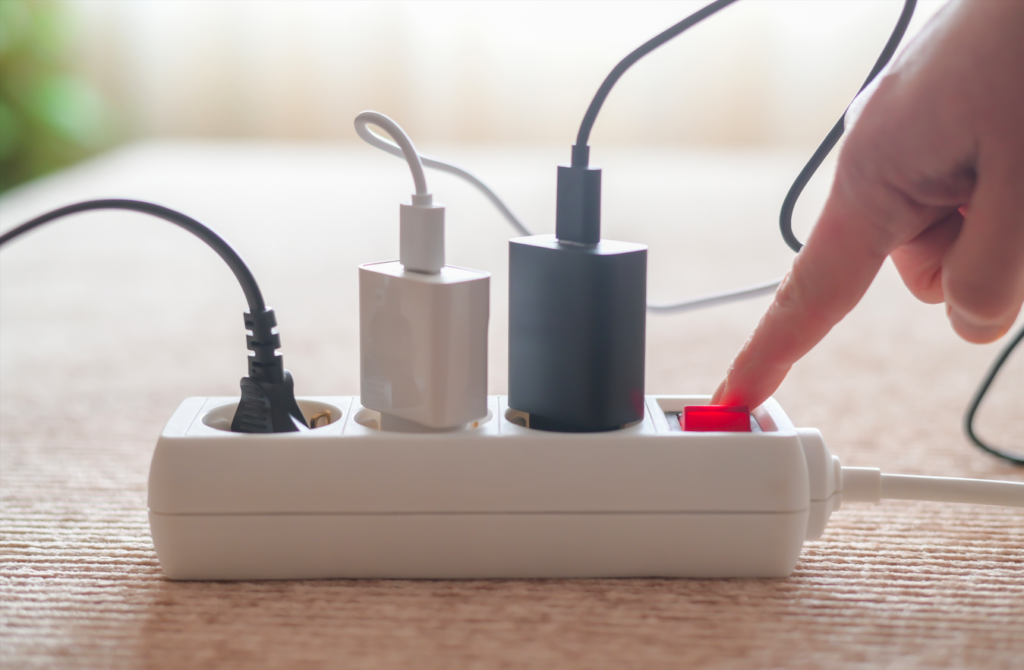
Spain is one of several countries still maintaining regulated electricity prices. Photo credit:Nanci Santos Iglesias/Shutterstock
The European Commission has asked Spain to begin phasing out its regulated electricity tariff, known as the PVPC, in a move that could affect around eight million households and reshape the country’s energy market. The request forms part of Brussels’ latest review of European retail energy markets, which argues that long-term state intervention in electricity pricing conflicts with European Union rules designed to promote competition between suppliers.
According to the Commission, regulated tariffs should only remain available in limited circumstances, particularly for vulnerable consumers. Spain is one of several countries identified by the Commission as still maintaining regulated electricity prices. France, Hungary, Bulgaria, Lithuania and Slovakia were also named in the report. Brussels has asked those governments to produce plans for moving consumers onto fully market-based contracts.
How the PVPC system works
The PVPC system, officially known as the “Voluntary Price for Small Consumers”, is linked to wholesale electricity prices and changes throughout the day according to market conditions. During the energy crisis of 2021 and 2022, the tariff became highly volatile because of surging gas prices, although Spain later modified the system to reduce exposure to daily fluctuations by incorporating longer-term futures pricing.
Despite the reform, Brussels maintains that regulated pricing should not become a permanent feature of the electricity market. The Commission argues that fixed-price contracts offered by private suppliers provide greater long-term stability and encourage competition among energy companies.
Spanish Ecological Transition Minister Sara Aagesen has pushed back against suggestions that the tariff will disappear immediately. She said there is currently “no forecast” to eliminate the PVPC and defended the system as an important protection for households during periods of energy instability. The Spanish government has nevertheless agreed to ask the National Commission on Markets and Competition to carry out a detailed study of the retail electricity market and the competitiveness of current pricing systems.
Millions of residents could face higher annual bills
Around 29 per cent of households in Spain remain on the regulated tariff, equivalent to roughly eight million homes. Several media outlets have reported that consumers could end up paying as much as €240 more per year if they are moved onto standard market contracts, although that figure does not come directly from the European Commission itself. The debate comes as electricity prices in Spain remain a sensitive political and economic issue.
Average wholesale electricity prices have fallen significantly from the peaks seen during the energy crisis, but household bills remain under pressure from taxes, grid charges and inflation-linked contracts. Analysts expect electricity costs in 2026 to remain relatively stable compared with recent years, though not substantially cheaper. Consumers currently on the PVPC benefit from direct access to wholesale market prices, meaning bills can fall sharply when renewable energy production is high or demand is low.
A move towards private fixed contracts could reduce volatility but may also lock households into higher long-term prices, particularly during periods when wholesale electricity becomes cheaper. The issue is particularly important for lower-income households, pensioners and residents in areas where air conditioning or electric heating are essential during extreme weather. Although the EU accepts that social support schemes such as Spain’s “bono social” discount can continue for vulnerable households, consumer organisations fear that ending the broader regulated tariff could increase energy poverty if prices rise further.
Tourism businesses may also feel the impact
Spain’s hotels, holiday apartments, restaurants and hospitality businesses are highly exposed to electricity costs, especially during the summer season when cooling systems operate continuously. Higher energy bills may lead businesses to increase accommodation prices, restaurant charges and service costs, particularly in major tourist destinations such as Costa del Sol, Alicante and the Balearic Islands.
Short-term rental properties and tourist apartments, many of which already face rising operating costs, may also pass increased electricity expenses onto visitors. Industry groups have warned in recent years that energy prices remain one of the largest overheads for tourism businesses alongside staffing and taxation.
What happens next
Brussels has not imposed a deadline for abolishing the PVPC, and the Spanish government continues to insist that current market conditions do not justify removing the tariff. However, the Commission’s latest intervention signals growing pressure for Spain to align its electricity market more closely with broader EU competition rules.
Follow Euro Weekly News on Google News
Get breaking news from Spain, travel updates, and expat stories directly on your Google News feed.
Follow on Google NewsSign up for personalised news
Subscribe to our Euro Weekly News alerts to get the latest stories into your inbox!
By signing up, you will create a Euro Weekly News account if you don't already have one. Review our Privacy Policy for more information about our privacy practices.





Molly Grace
Molly is a British journalist and author who has lived in Spain for over 25 years. With a background in animal welfare, equestrian science, and veterinary nursing, she brings curiosity, humour, and a sharp investigative eye to her work. At Euro Weekly News, Molly explores the intersections of nature, culture, and community - drawing on her deep local knowledge and passion for stories that reflect life in Spain from the ground up.
Comments
Brian
09 May 2026 • 14:12So happy to live “off-grid!
Mark
10 May 2026 • 09:08“The PVPC system, officially known as the “Voluntary Price for Small Consumers”, is linked to wholesale electricity price….” Surely the word ” wholesale” is the result of market prices? Why is that not such a good idea- unless the “linked” bit means that all sorts of extras are added?
Diego
10 May 2026 • 09:22Nothing good comes from EU bureaucrats.Leave us alone!
Hayden
16 May 2026 • 16:05More cheats trying to take our money through our electricity and gas bills. Leave us alone!
Comments are closed.