EU flags 168% rise in banned substances found in Egyptian mandarins as imports surge
By Molly Grace • Published: 12 May 2026 • 23:48 • 3 minutes read
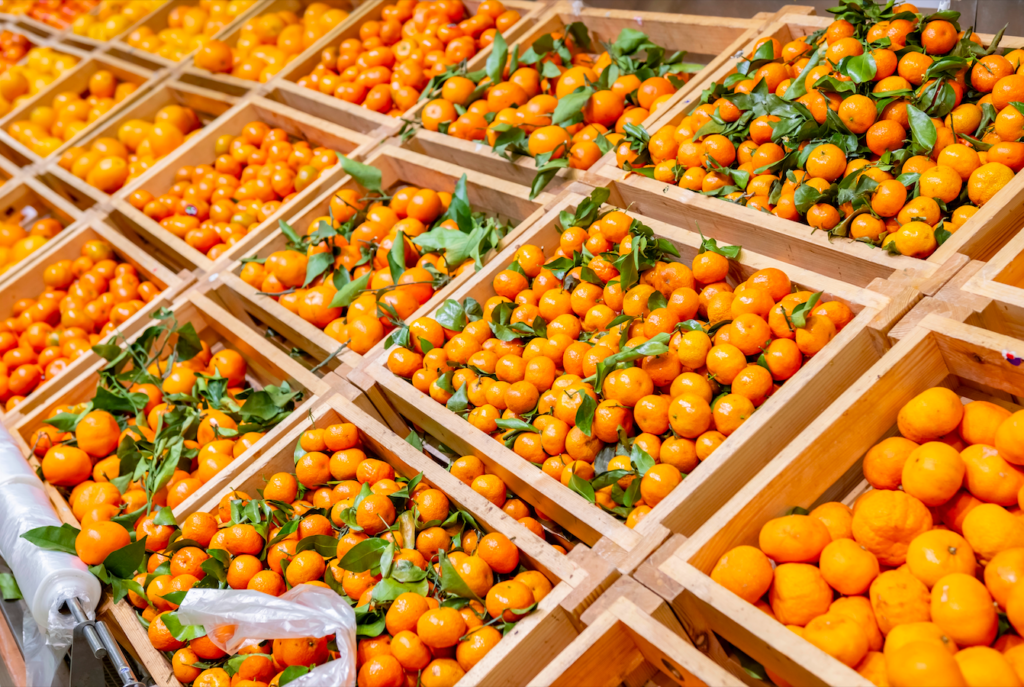
The rise in both imports and residue detections is linked to several overlapping factors. Photo credit: Denis Klimov 3000/Shutterstock
Imports of mandarins from Egypt into the European Union have increased significantly, alongside a sharp rise in the number of consignments flagged for containing pesticide residues not authorised under EU regulations.
According to data compiled from the EU’s Rapid Alert System for Food and Feed (RASFF) and reported in Spanish agricultural press, imports of Egyptian citrus have more than doubled in recent reporting periods, while detections of prohibited or non-authorised substances have risen by around 168%.
The figures reflect both growing trade flows into European markets and a higher rate of border inspections identifying chemical residues that do not comply with EU food safety standards.
Rising citrus imports into the European market
Egypt has become one of the most important non-EU suppliers of citrus fruit to Europe, particularly during winter and early spring when domestic production in countries such as Spain and Italy is lower. Mandarins form a major part of this trade, with large volumes entering EU distribution chains each season to meet supermarket demand.
Agricultural trade data shows steady expansion in Egyptian citrus exports over recent years, supported by investment in production capacity and export infrastructure. As import volumes have increased, so too has the number of consignments subject to inspection at EU border control points. These inspections are designed to ensure compliance with strict food safety standards, including limits on pesticide residues and restrictions on substances not approved for use within the European Union.
Sharp rise in pesticide residue detections
RASFF data, as reported by agricultural sector publications, indicates a significant increase in notifications involving Egyptian citrus fruit containing residues of substances not permitted under EU law.
The reported 168% rise refers to alerts and detections linked to prohibited or unauthorised phytosanitary products identified in imported citrus shipments. These substances may include pesticides that are either banned within the EU or restricted to levels below those found in the flagged consignments.
In many cases, shipments containing these residues are either rejected at the border or subjected to enhanced checks before being allowed into the market. The RASFF system allows member states to share information rapidly when non-compliant food products are identified, enabling coordinated responses across the bloc.
EU inspection system and enforcement
The European Union maintains a strict regulatory framework governing pesticide residues in imported food products. All consignments entering the bloc are subject to official controls, with sampling carried out at designated inspection posts.
When residues exceed permitted thresholds or involve substances not authorised for use, authorities can take a range of actions. These include increased testing, import alerts, rejection of goods, or additional requirements imposed on exporters.
The system is intended to prevent non-compliant products from reaching consumers and to ensure that imported food meets the same standards applied to domestic production within the EU.
What is driving the increase
The rise in both imports and residue detections is linked to several overlapping factors. Egyptian citrus production has expanded rapidly in recent years, making the country a key global supplier during off-season periods for European growers. At the same time, demand for affordable imported fruit in EU markets has increased, particularly during winter months when citrus consumption rises.
Differences in pesticide regulation between exporting countries and the EU also play a role. Some substances permitted in non-EU agricultural systems are not approved within the European Union, leading to compliance issues when shipments are tested at entry points.
What it means for consumers in Spain
For consumers in Spain, one of Europe’s largest citrus-producing countries, the findings are unlikely to affect availability of mandarins on supermarket shelves. Domestic production remains strong, particularly in regions such as Valencia, Murcia and Andalucía. However, the increase in alerts may lead to more stringent checks on imported fruit entering the Spanish market. This can result in additional testing at distribution level and occasional delays in the supply chain for non-EU citrus.
Retailers may also place greater emphasis on origin labelling, particularly during winter months when imported fruit forms a larger share of supermarket supply. Spanish consumers are likely to continue seeing a mix of domestic and imported mandarins depending on seasonal availability. From a pricing perspective, tighter controls on imports can add minor costs to distribution processes, although these are typically absorbed across large retail networks rather than passed directly to consumers in a noticeable way.
Regulatory monitoring continues across the EU
EU food safety authorities continue to monitor pesticide residues through coordinated inspection systems. Where repeated issues are identified, exporting countries may be asked to improve compliance measures or adjust agricultural practices to meet EU requirements. Agricultural organisations in Spain have called for continued vigilance, particularly during peak import seasons, to ensure that all citrus entering the EU meets established safety standards.
The system, they argue, is central to maintaining consumer confidence and protecting the integrity of the European food market. Overall, the trend reflects both expanding global citrus trade and the regulatory challenges involved in aligning production standards across different agricultural systems.
Follow Euro Weekly News on Google News
Get breaking news from Spain, travel updates, and expat stories directly on your Google News feed.
Follow on Google NewsSign up for personalised news
Subscribe to our Euro Weekly News alerts to get the latest stories into your inbox!
By signing up, you will create a Euro Weekly News account if you don't already have one. Review our Privacy Policy for more information about our privacy practices.




Molly Grace
Molly is a British journalist and author who has lived in Spain for over 25 years. With a background in animal welfare, equestrian science, and veterinary nursing, she brings curiosity, humour, and a sharp investigative eye to her work. At Euro Weekly News, Molly explores the intersections of nature, culture, and community - drawing on her deep local knowledge and passion for stories that reflect life in Spain from the ground up.
Comments