Malaga Airport braces for busiest summer after record 7.7 million passengers in first four months
By Molly Grace • Published: 12 May 2026 • 22:45 • 3 minutes read
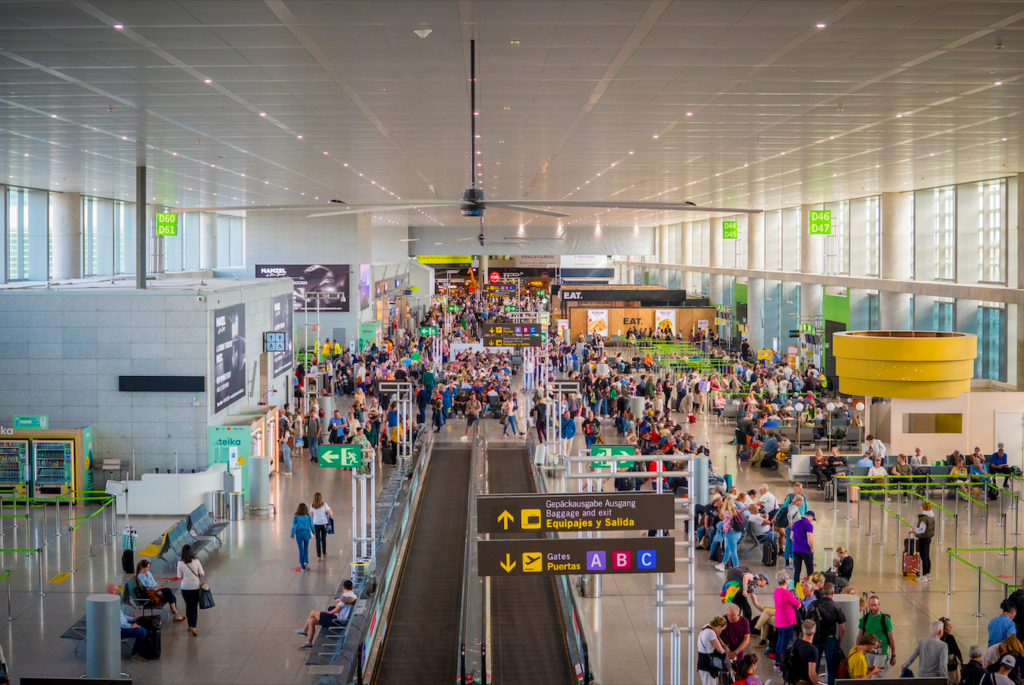
The continued increase in demand could also affect flight prices during busy periods. Photo credit: Kristof Bellens/Shutterstock
Malaga-Costa del Sol Airport recorded more than 7.7 million passengers during the first four months of 2026, the highest figure ever registered for the January-to-April period, according to airport operator Aena.
The increase comes during a period of continued growth for the Costa del Sol travel hub, but passenger numbers were also boosted by the disruption to Spain’s AVE high-speed rail services earlier this year, which led many travellers to switch from train journeys to domestic flights.
Passenger numbers reach record levels
Aena confirmed that Malaga Airport handled more than 7.7 million passengers between January and April, setting a new record for the airport during those months. March was particularly significant, with the airport surpassing two million passengers in a single March for the first time. The figures reflect both strong international tourism demand and increased domestic air traffic linked to transport disruption elsewhere in Spain.
According to Aena, part of the rise in passenger traffic was connected to the interruption of AVE services following infrastructure problems affecting rail connections earlier in the year. Flights between Malaga and Madrid experienced increased demand as some travellers chose air travel instead of rail services.
AVE disruption changed travel patterns
Spain’s high-speed rail network is normally one of the busiest forms of domestic transport between Madrid and Andalucía. However, disruption to the AVE route earlier this year forced many passengers to seek alternative ways to travel.Airlines operating between Malaga and Madrid benefited from the increase in demand, particularly during periods when rail capacity was reduced or suspended.
Airport figures suggest that domestic traffic played an important role in the overall rise in passenger numbers during the first quarter of the year. The increase also reflects Malaga Airport’s growing role as one of Spain’s busiest transport hubs outside Madrid and Barcelona. The airport serves routes across Europe, North Africa and the Middle East, while also functioning as a key domestic gateway for Andalucía.
International tourism remains strong
International passengers continued to make up the majority of airport traffic during the first four months of the year. Travellers from the United Kingdom remained among the largest visitor groups using Malaga Airport, followed by passengers from Germany, France, Italy and the Netherlands.
The Costa del Sol’s tourism sector has continued to attract strong demand outside the traditional summer season, with visitor numbers remaining high during spring months. Airlines have also expanded routes and frequencies from Malaga in recent years, contributing to the airport’s continued growth. Aena has repeatedly identified Malaga-Costa del Sol Airport as one of the fastest-growing major airports within Spain’s network.
What it means for holidaymakers
For holidaymakers travelling to the Costa del Sol, the figures confirm that Malaga Airport is expected to remain extremely busy throughout 2026, particularly during weekends, holiday periods and summer months. Passengers may experience longer queues at security, passport control and baggage collection during peak travel periods as airport traffic continues to rise. Travellers are likely to be advised to arrive earlier for flights, especially on international departures.
The continued increase in demand could also affect flight prices during busy periods. Strong passenger numbers often lead to higher fares on popular routes, particularly between Malaga and major European cities during school holidays and summer travel periods. At the same time, higher demand can encourage airlines to introduce additional routes and more frequent services, giving travellers a wider range of flight options.
Impact on residents and domestic travellers
For residents living in Malaga province and wider Andalucía, the airport’s continued expansion brings both advantages and pressure on local infrastructure. Greater passenger numbers support employment linked to tourism, hospitality, transport and airport services. Businesses across the Costa del Sol benefit from the large volume of visitors arriving through Malaga Airport each year.
However, growing airport traffic can also place additional strain on roads, public transport and housing demand in nearby areas. Traffic congestion around the airport and popular tourist destinations has become an increasing concern during busy travel periods. For domestic travellers, the recent rise in flights between Malaga and Madrid demonstrates how air travel can quickly replace rail demand when major disruption affects Spain’s transport network. Some passengers who switched to flights during the AVE interruption may continue choosing air routes if rail services face future reliability concerns.
Airport growth expected to continue
Aena has indicated that Malaga Airport continues to see sustained growth in both international and domestic traffic. The airport remains one of the main entry points for visitors travelling to southern Spain and the Costa del Sol.
The combination of tourism demand, airline expansion and occasional disruption to competing transport networks has contributed to record passenger levels during the opening months of 2026, with further busy periods expected throughout the summer season.
Follow Euro Weekly News on Google News
Get breaking news from Spain, travel updates, and expat stories directly on your Google News feed.
Follow on Google NewsSign up for personalised news
Subscribe to our Euro Weekly News alerts to get the latest stories into your inbox!
By signing up, you will create a Euro Weekly News account if you don't already have one. Review our Privacy Policy for more information about our privacy practices.





Molly Grace
Molly is a British journalist and author who has lived in Spain for over 25 years. With a background in animal welfare, equestrian science, and veterinary nursing, she brings curiosity, humour, and a sharp investigative eye to her work. At Euro Weekly News, Molly explores the intersections of nature, culture, and community - drawing on her deep local knowledge and passion for stories that reflect life in Spain from the ground up.
Comments