One train ticket for all Europe? Brussels unveils major rail travel shake up
By Farah Mokrani • Published: 14 May 2026 • 22:00 • 4 minutes read
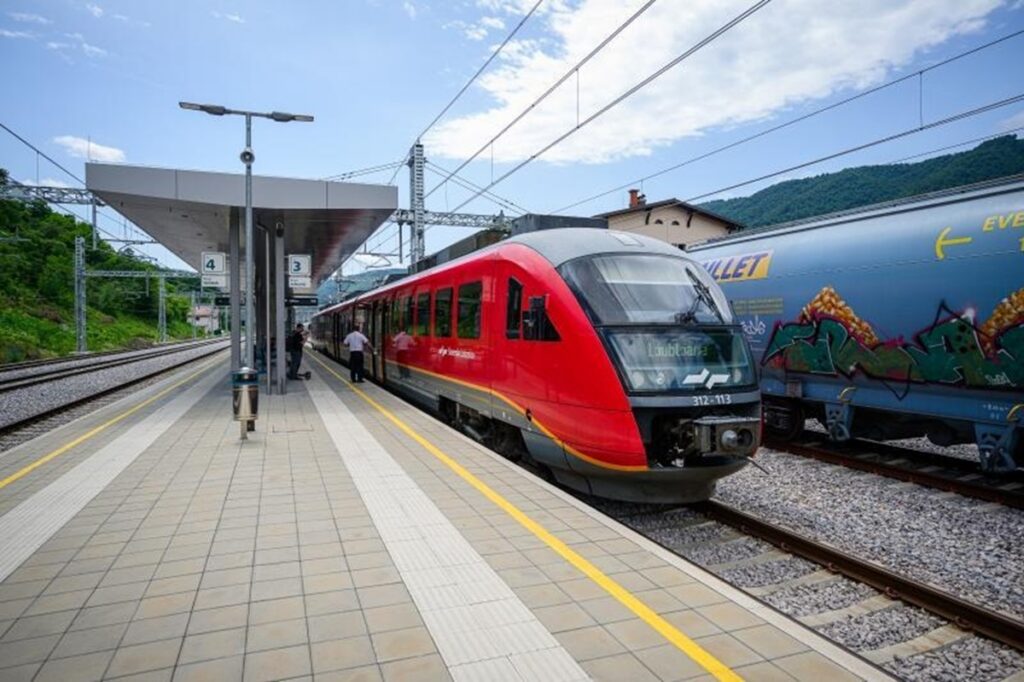
The EU wants to make international train travel easier with a single ticket covering journeys across multiple European countries. Credit : European Union - 2025
The European Commission wants to make train travel across Europe much simpler by allowing passengers to buy one single ticket covering journeys operated by different rail companies across multiple EU countries. Under the proposed reform, travellers would also receive stronger passenger protections if delays or cancellations cause them to miss connections during international journeys.
For many travellers, booking flights across Europe with different airlines is already straightforward. Doing the same by train can quickly become complicated, expensive or sometimes impossible, especially when multiple operators are involved. Brussels now wants to change that as part of a broader effort to make rail travel more attractive across the European Union.
The proposal would force train operators to share ticketing data with online sales platforms and, in some cases, even allow competitors to sell their tickets. EU officials say the goal is to remove barriers that currently make cross border rail travel frustrating for millions of passengers.
The reform could become one of the biggest changes to European rail travel in years if approved.
Why train travel across Europe can still feel surprisingly difficult
Travelling across several European countries by train sounds simple in theory. In reality, many passengers discover the system becomes far more complicated once different national operators are involved.
A traveller going from Spain to Germany or from Belgium to Italy may need to buy several separate tickets across different websites, each with different rules, conditions and refund policies.
Sometimes routes are not even displayed together despite connecting perfectly in practice.
One of the biggest problems appears when delays happen. Under current rules, if passengers buy separate tickets and miss a connection because the first train arrives late, they are not always protected for the rest of the journey. In some cases, travellers must buy completely new tickets themselves.
That uncertainty has discouraged many people from choosing rail for long international trips, even as Europe pushes greener transport alternatives.
The European Commission now wants to simplify the process by encouraging what it calls ‘multimodal cross border journeys’ through integrated ticketing systems.
EU Transport Commissioner Apostolos Tzitzikostas said the reform is designed to make travelling across all 27 member states “simpler, smarter and more comfortable”.
According to the Commission, passengers should eventually be able to plan, compare and buy international rail journeys much more easily through online platforms.
What the new EU train ticket rules would actually change
The proposed legislation would require railway companies to make ticket and timetable data available to online booking platforms.
That means passengers searching for routes across Europe could see different operators combined within the same booking system rather than needing to jump between multiple websites.
The proposal also targets competition inside the rail market.
If a railway operator controls more than 50 per cent of a market, it may be required to display competing offers and even allow rival companies to sell its tickets if requested.
Brussels believes this could help increase transparency and keep prices competitive for passengers.
Online ticket platforms would also have to present offers “neutrally and transparently” under the proposed rules. But for many travellers, the biggest change concerns passenger rights.
The Commission wants passengers buying multi operator journeys in a single transaction to receive one combined ticket covering the entire route. That would mean stronger legal protections if disruptions occur during the trip.
If a delay causes a missed connection, passengers could gain access to rerouting, reimbursement, accommodation assistance and compensation rights even when different companies operate different parts of the journey.
Responsibility would be shared between operators.
The company causing the delay would have to handle reimbursements or compensation, while the operator responsible for the missed onward connection would need to help passengers continue their journey.
At the moment, those protections often disappear once separate tickets are involved.
Brussels sees rail reform as part of Europe’s green future
The Commission also sees the reform as part of its broader climate and transport strategy.
European officials have spent years trying to encourage more people to switch from short haul flights and car travel towards rail, which generally produces lower emissions.
Transport accounts for roughly a quarter of greenhouse gas emissions inside the EU, making it one of the most difficult sectors for Europe’s climate ambitions.
Brussels believes simpler ticketing could help convince more travellers to choose trains for international journeys. There is also clear public demand for easier booking systems.
A recent Eurobarometer survey found that around one in four Europeans experienced problems trying to book rail journeys involving different train operators. For people living near borders or in rural areas, fragmented rail systems can make international travel unnecessarily stressful.
European Commission Vice President Raffaele Fitto said improving rail connectivity is also about strengthening cohesion and reducing invisible barriers inside the single market.
The reform still needs approval from EU member states and the European Parliament before becoming law, meaning implementation could take time.
Even so, the proposal signals how serious Brussels has become about reshaping European rail travel.
For travellers frustrated by juggling multiple bookings, unclear passenger rights and disconnected train systems, the changes could eventually make cross border rail journeys feel much closer to booking a single international flight.
And for Europe’s rail industry, it may mark the start of a more connected network where travelling from one side of the continent to the other becomes far easier than it is today.
Follow Euro Weekly News on Google News
Get breaking news from Spain, travel updates, and expat stories directly on your Google News feed.
Follow on Google NewsSign up for personalised news
Subscribe to our Euro Weekly News alerts to get the latest stories into your inbox!
By signing up, you will create a Euro Weekly News account if you don't already have one. Review our Privacy Policy for more information about our privacy practices.





Farah Mokrani
Farah is a journalist and content writer with over a decade of experience in both digital and print media. Originally from Tunisia and now based in Spain, she has covered current affairs, investigative reports, and long-form features for a range of international publications. At Euro Weekly News, Farah brings a global perspective to her reporting, contributing news and analysis informed by her editorial background and passion for clear, accurate storytelling.
Comments